Ukraine conflict reports 1,130 Russian soldiers lost in recent fighting
Russia lost 1,130 soldiers killed and wounded over the past day, as reported by Ukraine's General Staff, amid ongoing developments in the conflict Ukraine.[2] This update highlights the intensity of recent military engagements, where Russia also suffered losses of 91 artillery systems and 5 air defence systems.[2] Parallel challenges persist for humanitarian operations and healthcare infrastructure, as documented in reports covering aid worker incidents and frontline medical services during the winter period.[1][3]
Recent Military Developments
The latest figures from Ukraine's General Staff provide a snapshot of the toll on Russian forces in the conflict Ukraine, with 1,130 soldiers reported killed and wounded in a single day.[2] This substantial loss underscores the ferocity of frontline combat, where Ukrainian defenses have inflicted significant damage on opposing equipment as well. Specifically, Russia lost 91 artillery systems, critical for sustained bombardment operations, alongside 5 air defence systems that are essential for protecting ground troops and infrastructure from aerial threats.[2]
These numbers reflect a pattern of attrition warfare, where daily updates from Ukraine's military authorities track enemy casualties and material destruction. Artillery systems, often comprising towed guns, self-propelled howitzers, and multiple launch rocket systems, represent a backbone of Russian offensive capabilities; their depletion could hinder artillery barrages that have characterized much of the conflict.[2] Similarly, air defence systems, such as surface-to-air missile launchers, play a pivotal role in countering Ukrainian drones and missiles, making their loss a strategic setback.[2]
Ukraine's General Staff has consistently released such data to inform both domestic and international audiences about the progress on the battlefield. The reported losses over the past day align with broader trends of high Russian casualties, as these figures accumulate into larger monthly tallies that strain manpower and logistics.[2] While verification remains challenging in active combat zones, these reports serve as a primary indicator of the military situation, emphasizing the sustained pressure on Russian forces across multiple fronts.
Incidents Involving Aid Workers
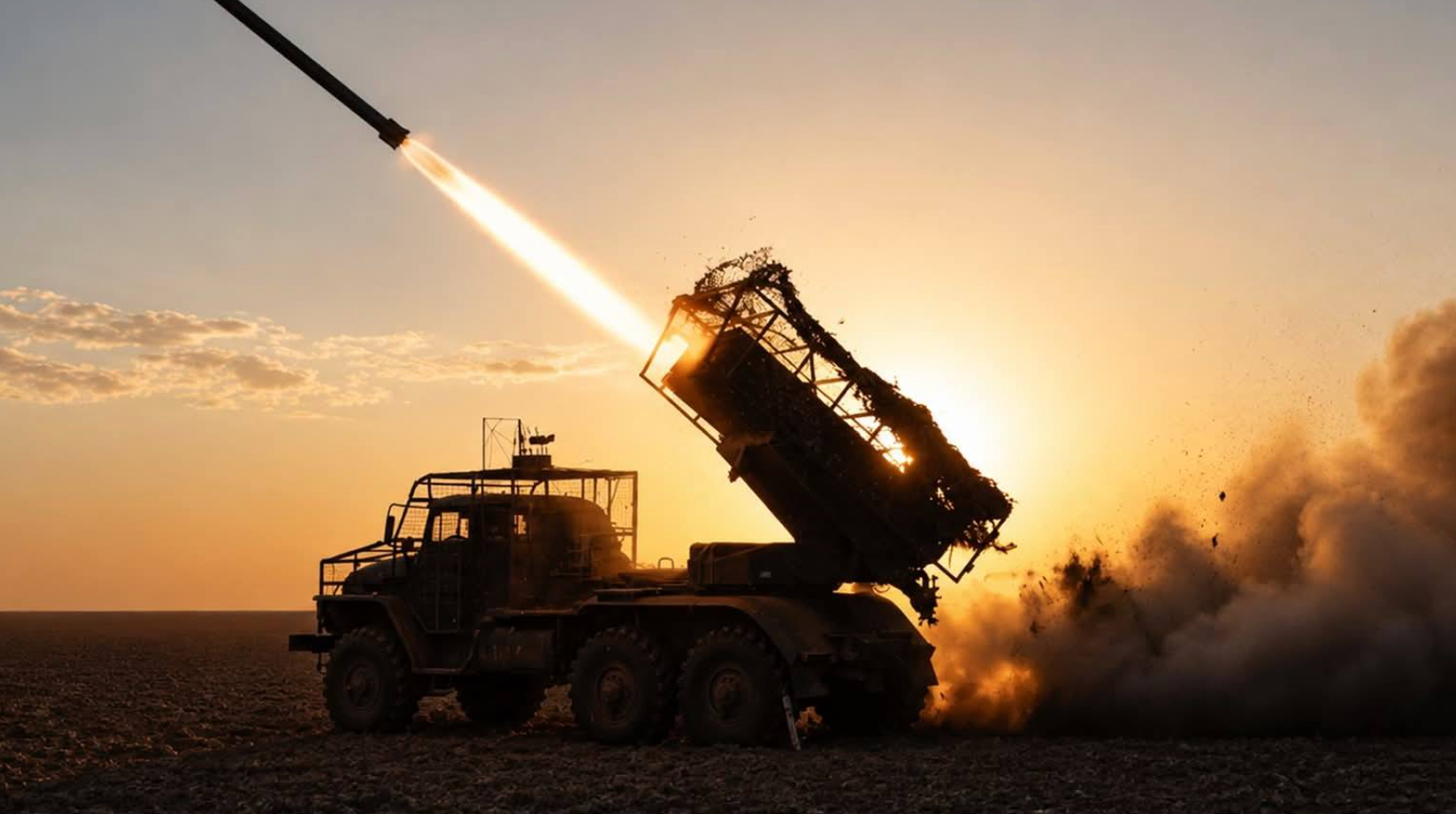
Russian forces lost 1,130 soldiers, 91 artillery systems, and 5 air defense systems in Ukraine. — Source: ukrainskapravda
Aid workers in Ukraine faced notable risks during the first quarter of 2026, contributing to a global tally of incidents identified by Insecurity Insight.[1] Between January 1 and March 31, 2026, the organization documented at least 66 incidents worldwide where aid workers were killed, injured, kidnapped, or arrested, spanning 17 countries including Ukraine.[1] These events highlight the perilous environment for humanitarian personnel operating in conflict zones like Ukraine.
In Ukraine specifically, incidents involving aid workers were recorded amid the broader conflict Ukraine dynamics, though exact numbers per country were not itemized in the bi-monthly news brief.[1] Globally, the period saw 26 aid workers killed, 61 injured, 17 kidnapped, and 27 arrested, illustrating the multifaceted threats ranging from direct violence to detention.[1] Kidnappings and arrests often stem from suspicions of espionage or interference, while injuries and fatalities result from crossfire, shelling, or targeted attacks on convoys and facilities.
Insecurity Insight's monitoring, drawn from open sources and partner reports, emphasizes how such KIKA (killed, injured, kidnapped, arrested) incidents disrupt aid delivery at critical times. In Ukraine, where humanitarian needs remain acute due to displacement and infrastructure damage, these occurrences compound logistical challenges for organizations providing food, medical supplies, and shelter.[1] The inclusion of Ukraine among the 17 affected countries points to the intersection of military operations and relief efforts, where aid workers navigate checkpoints, minefields, and unstable ceasefires.
This data from the April 2026 bi-monthly brief serves as a call for enhanced protections, as repeated incidents erode the capacity to reach vulnerable populations. The global scope, covering nations like the Democratic Republic of the Congo, Haiti, and Sudan, contextualizes Ukraine's challenges within a pattern of rising dangers for neutral actors in armed conflicts.[1]
Challenges to Healthcare in Frontline Areas
Healthcare facilities in Ukraine's frontline regions endured severe operational strains during the winter of 2025-2026, particularly in Kharkiv, Donetsk, and Zaporizhzhia.[3] These areas, exposed to intense hostilities, faced repeated attacks on energy infrastructure alongside systemic resource shortages, creating a multifaceted crisis for medical services.[3]
The winter period acted as a critical stress test, with facilities operating under sustained pressure from ongoing combat. Shelling and missile strikes disrupted power supplies, essential for heating, lighting, and life-support equipment during freezing temperatures.[3] Resource shortages encompassed medicines, fuel for generators, and personnel, exacerbated by damaged roads and supply chains affected by the conflict Ukraine.[3]
Despite these adversities, healthcare institutions in these regions maintained continuity of care, a testament to adaptive measures such as rationing supplies, relocating patients, and relying on backup systems.[3] Kharkiv, with its proximity to the border, experienced frequent evacuations and repairs; Donetsk's facilities dealt with heavy artillery fire; and Zaporizhzhia grappled with nuclear plant-related concerns alongside conventional threats.[3] The Relief Coordination Centre's review underscores how medical staff improvised under duress, prioritizing emergency trauma care for both civilians and fighters.
This resilience prevented total collapse but at a high human cost, with burnout and shortages threatening long-term viability. The report, based on attached files from frontline operators, details how energy attacks—targeting grids and substations—left hospitals in blackout cycles, forcing reliance on diesel that was often scarce.[3] Such conditions mirror historical wartime medical challenges, where environmental factors amplify conflict-induced disruptions.
Broader Context of the Conflict

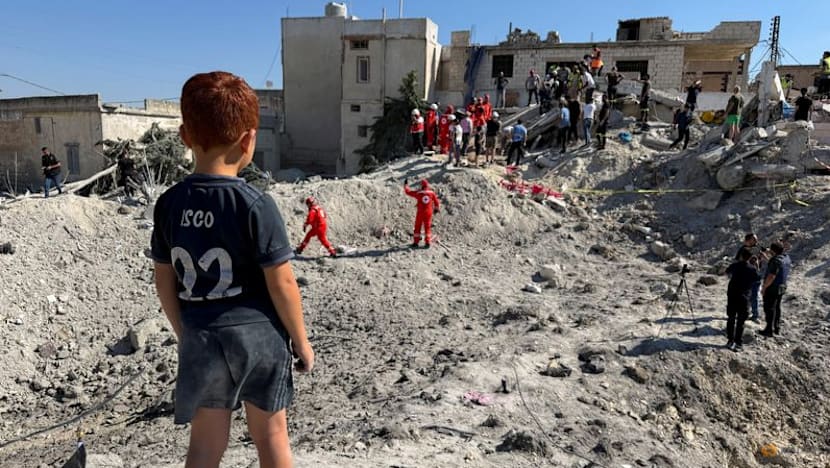
Healthcare workers operating facilities in Ukraine's frontline regions during winter 2025-2026. — Source: reliefweb
The ongoing conflict Ukraine integrates military losses, aid worker risks, and healthcare strains into a comprehensive picture of protracted warfare.[1][2][3] Recent military developments, including Russia's daily loss of 1,130 soldiers, 91 artillery systems, and 5 air defence systems, signal continued high-intensity fighting reported by Ukraine's General Staff.[2] These casualties occur against a backdrop where humanitarian space is shrinking, as evidenced by aid worker incidents in Ukraine during January to March 2026.[1]
Insecurity Insight's global tally of 66 KIKA incidents across 17 countries, with 26 killed, 61 injured, 17 kidnapped, and 27 arrested, includes Ukraine's contributions, reflecting how combat endangers non-combatants.[1] This vulnerability extends to healthcare, where winter 2025-2026 pressures in Kharkiv, Donetsk, and Zaporizhzhia—from hostilities and energy attacks—tested systems but preserved care continuity.[3]
Collectively, these elements depict a multifaceted crisis: military attrition depletes resources on one side,[2] while aid disruptions and medical overloads amplify civilian suffering.[1][3] The interplay is evident in frontline regions, where shelling not only causes casualties but also hampers relief convoys and hospital functions.[1][3] Ukraine's General Staff data provides a tactical lens,[2] complemented by humanitarian monitors tracking broader impacts.[1]
This synthesis reveals the conflict's toll beyond battlefields, straining international responses and local capacities. Resource shortages in healthcare mirror logistical hurdles for aid, both intensified by infrastructure damage.[3] The period from late 2025 into early 2026 marks a phase of endurance, where daily losses accumulate and humanitarian incidents underscore the need for safe corridors.[1][2]
Key Statistics and Observations
Key numerical data from recent reports illuminate the scale of impacts in the conflict Ukraine.[1][2] Ukraine's General Staff documented Russia's losses of 1,130 soldiers killed and wounded, 91 artillery systems, and 5 air defence systems over one day, highlighting acute material and personnel attrition.[2]
Complementing this, Insecurity Insight reported 66 global aid worker KIKA incidents from January to March 2026 across 17 countries, including Ukraine: 26 killed, 61 injured, 17 kidnapped, and 27 arrested.[1] These figures quantify risks that impede assistance flows, with Ukraine's inclusion signaling localized threats amid international patterns.
Observations from these statistics point to interconnected pressures. Military equipment losses, such as the 91 artillery pieces, could reduce Russian fire support, potentially shifting dynamics on fronts near healthcare-stressed areas like Donetsk.[2] Aid incidents, totaling over 130 affected workers globally, disrupt services that alleviate war's civilian burdens.[1]
The granularity—daily soldier counts versus quarterly aid tallies—offers layered insights. Artillery and air defence depletions represent irreplaceable assets, whose absence may prolong engagements and heighten risks for aid and medics.[2] Insecurity Insight's breakdown (e.g., arrests outnumbering kidnappings) suggests diverse threats, from deliberate targeting to bureaucratic hurdles.[1]
These metrics, while not exhaustive, ground assessments of the conflict's scope, urging attention to both combat and humanitarian fronts.[1][2]
Ukraine Conflict Ukraine: Integrated Impacts and Trends
Examining the conflict Ukraine through sourced lenses reveals trends linking military, aid, and health domains. The 1,130 soldier losses alongside equipment destruction indicate a grinding pace of operations.[2] Aid worker incidents in early 2026, part of 66 global cases, expose humanitarian fragility.[1] Healthcare's winter endurance in key regions, despite shortages, shows adaptive capacity under duress.[3]
This integration highlights cascading effects: frontline hostilities damage energy grids, starving hospitals and stranding aid.[3] Russian artillery losses may alter strike patterns, indirectly affecting relief routes.[2] Observations from Insecurity Insight note Ukraine's role in a 17-country crisis, where 26 deaths underscore lethality.[1]
Trends suggest sustained challenges, with daily military tallies accumulating and seasonal factors compounding risks.[2][3] These data points form an authoritative baseline for monitoring escalation or de-escalation.
What to watch next includes updates on Russian losses from Ukraine's General Staff, potential rises in aid worker incidents as tracked