Ukraine War sees effective use of makeshift weapons as tank supplies dwindle.
The psychological and military balance in the war Ukraine continues to experience significant shifts, marked by indications that Vladimir Putin is showing fear of Ukrainians and concerns over potential unrest among his own elite.[2] As the conflict progresses, Ukraine faces critical shortages of tanks and armored vehicles yet demonstrates effectiveness with makeshift weapons.[1] Ukrainian President Volodymyr Zelenskyy has likened Russia's actions to a renewed version of Nazism, evoking World War II parallels.[3] Meanwhile, thousands of North Korean soldiers have been deployed to support Russia, with memorials suggesting substantial casualties among them.[4] Ukraine has also highlighted the dire humanitarian crisis in Russian-occupied Oleshky in Kherson Oblast, where civilians remain trapped without access to aid.[5] These elements underscore evolving dynamics on multiple fronts in the war Ukraine.
Key Developments in the War Ukraine
In the ongoing war Ukraine is enduring, several key facts illustrate the complex and changing landscape of the conflict. Ukraine's military is grappling with depletions in tanks and armored vehicles, prompting a turn to alternative, makeshift weapons that have proven highly effective in combat situations.[1] This adaptation highlights resilience amid resource constraints. President Zelenskyy's statements frame the Russian aggression as a "renewed version of Nazism," directly comparing it to the total evil confronted during World War II, a perspective shared on the Day of Remembrance.[3] The involvement of foreign forces adds another layer, with thousands of North Korean soldiers sent to fight alongside Russian troops, and memorials now indicating a heavy death toll among these contingents.[4] Furthermore, the humanitarian dimension cannot be overlooked, as Ukraine has condemned the alarming conditions in the Russian-occupied town of Oleshky in Kherson Oblast, where local civilians are trapped without essential aid.[5] These developments collectively point to a multifaceted war Ukraine, where military, psychological, rhetorical, international, and humanitarian pressures intersect. The effectiveness of Ukraine's improvised armaments despite equipment shortages suggests a capacity to sustain defensive and offensive operations, potentially influencing the broader strategic calculus.[1] Zelenskyy's historical analogies serve to rally domestic and international support by contextualizing the conflict within a narrative of existential resistance.[3] The deployment of North Korean personnel, estimated at 11,000, represents a notable escalation in external backing for Russia, yet the emerging evidence of casualties via memorials raises questions about the sustainability of such alliances.[4] In occupied areas like Oleshky, the lack of aid access exacerbates civilian suffering, drawing sharp rebukes from Ukrainian authorities and spotlighting the human cost of territorial control.[5] Together, these facts paint a picture of a war Ukraine where no single aspect operates in isolation, with each feeding into the overall momentum and challenges faced by both sides.
Ukraine's Military Adaptations Amid Shortages
Ukraine's armed forces are confronting severe shortages of tanks and armored vehicles in the war Ukraine, a situation that has necessitated the widespread adoption of makeshift weapons described as highly effective.[1] This depletion of conventional heavy armor represents a critical challenge, as modern mechanized warfare typically relies on such equipment for breakthroughs, defensive lines, and mobility on the battlefield. However, the pivot to improvised and alternative armaments has allowed Ukrainian troops to maintain operational tempo and inflict damage on opposing forces.[1] The effectiveness of these "bất đắc dĩ" or makeshift weapons underscores a key aspect of asymmetric warfare, where innovation and resourcefulness can offset material disadvantages.[1] In practical terms, this means Ukrainian units are leveraging whatever is available—potentially modified civilian vehicles, drones, or other non-standard tools—to achieve results comparable to or surpassing traditional platforms.[1] This adaptation is not merely a stopgap measure but a strategic response that sustains frontline pressure despite the exhaustion of Western-supplied or legacy Soviet-era stocks.[1] Analysts note that such ingenuity can demoralize adversaries expecting quick gains through superior armor, thereby contributing to the shifting military balance.[1][2] The reliance on these weapons highlights broader logistical strains in the war Ukraine, where supply chains for heavy equipment have been stretched thin by prolonged fighting and production bottlenecks. Yet, their proven efficacy suggests that Ukraine's military doctrine is evolving, prioritizing precision, mobility, and low-cost solutions over sheer mass.[1] This approach may enable sustained resistance in key sectors like Donetsk and Kherson, where terrain favors defensive use of lighter, adaptable assets.[1] As the conflict enters its third year, these adaptations reveal a resilient force capable of improvising victory from scarcity, potentially forcing Russia to reconsider its attrition-based strategy.[1] The title of reports on this topic, "Cạn kiệt xe tăng thiết giáp, Ukraine có vũ khí bất đắc dĩ rất hiệu quả," encapsulates this reality: depleted tanks and armor, yet Ukraine possesses very effective reluctant weapons.[1] Such developments ensure that the war Ukraine remains dynamic, with Ukraine's forces refusing to yield ground due to equipment shortfalls alone.

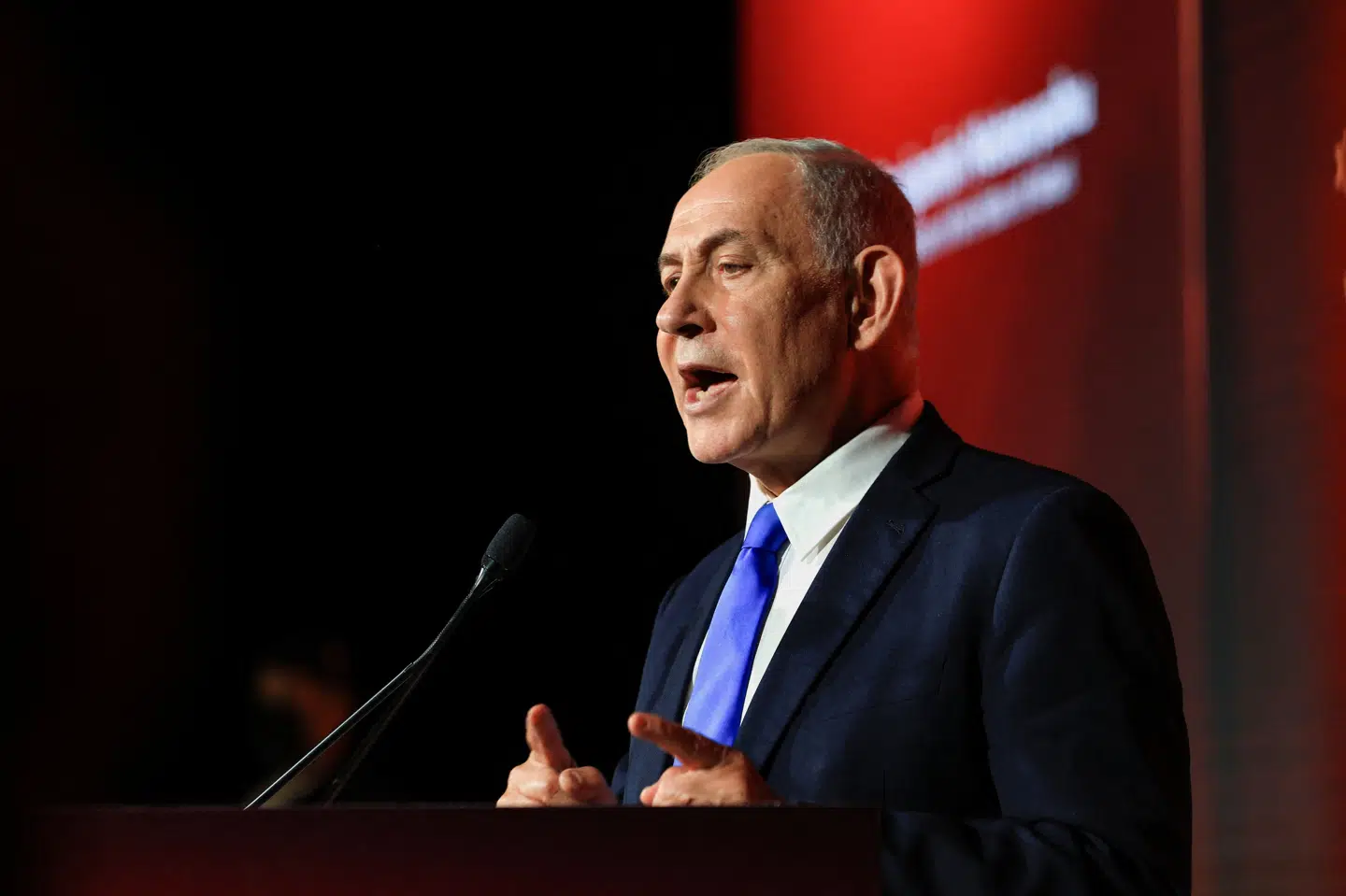
Vladimir Putin appears concerned about Ukrainians and unrest among his elite. — Source: france24
Shifts in Psychological and Military Dynamics
The psychological and military balance in the war Ukraine is undergoing a profound shift, with expert analysis pointing to Vladimir Putin's growing paranoia and fear.[2] Melinda Haring, a non-resident Senior Fellow at the Atlantic Council's Eurasia Center and Senior Advisor to Razom Advocacy, argues that the Kremlin's increasingly defensive posture—particularly in the lead-up to Russia’s May 9 Victory Day celebrations—signals a deeper vulnerability: "Vladimir Putin is finally afraid."[2] This fear manifests in two key dimensions: apprehension toward Ukrainians themselves and worries that the elite surrounding him may be starting to fracture.[2] Haring's assessment, shared in a discussion with Mark Owen, posits that Putin is "fearful of Ukrainians & afraid the elite around him is starting to break."[2] Psychologically, this paranoia could erode command cohesion within Russian leadership, as distrust permeates decision-making processes.[2] Militarily, the shift implies that Russia's initial advantages in manpower and materiel are being eroded by Ukraine's tenacity and external support dynamics.[2] The defensive stance ahead of Victory Day, a symbolically charged event, suggests Moscow is prioritizing internal stability over aggressive advances, revealing cracks in the war Ukraine effort.[2] This evolving balance favors Ukraine, as Putin's fear may lead to overcautious tactics, such as consolidating gains rather than pushing forward, thereby granting Ukrainian forces breathing room to regroup and innovate.[2] Furthermore, the potential unrest among Russian elites—possibly fueled by battlefield setbacks and economic strains—could precipitate internal challenges, amplifying the psychological toll on the Kremlin.[2] Haring's central argument frames these changes as a turning point, where the aggressor's momentum stalls amid self-doubt.[2] In the context of the war Ukraine, such dynamics could prolong the conflict on terms more favorable to Kyiv, as Putin's paranoia hampers bold maneuvers.[2] This analysis aligns with observable trends, including slowed Russian offensives and heightened security measures in Moscow, though grounded solely in the expert's observations.[2] Overall, the interplay of fear and elite fragility positions the war Ukraine at a juncture where psychological factors are as decisive as matériel.
Ukrainian Leadership's Statements on the Conflict
Ukrainian President Volodymyr Zelenskyy has issued stark statements characterizing Russia's war Ukraine as a "renewed version of Nazism," drawing explicit parallels to World War II.[3] Delivered on the Day of Remembrance, these remarks position the current conflict as a recurrence of "total evil," much like the existential threats faced during the global war eight decades ago.[3] Zelenskyy's rhetoric serves to frame the invasion not merely as territorial aggression but as a moral and ideological confrontation, evoking the sacrifices of past generations to underscore the stakes.[3] By invoking Nazism, the president aligns Russia's actions—such as widespread destruction, forced deportations, and cultural erasure—with the ideologies defeated in 1945, thereby justifying Ukraine's unyielding resistance.[3] This historical comparison resonates deeply in Europe and beyond, potentially bolstering calls for sustained international aid.[3] On the Day of Remembrance, a solemn occasion honoring victims of past atrocities, Zelenskyy's words amplify the narrative that Ukraine stands once again against totalitarian expansionism.[3] The statement reinforces national unity and international solidarity, portraying the war Ukraine as a defense of democratic values against authoritarian resurgence.[3] Zelenskyy's choice of language—"renewed version of Nazism"—carries weighty implications, signaling that compromise is untenable and full victory is essential to prevent recurrence.[3] In speeches and public addresses, this framing mobilizes public opinion, linking contemporary battles to the legacy of those who vanquished fascism.[3] As the war Ukraine persists, such declarations from leadership maintain morale among troops and civilians enduring hardship.[3] They also challenge Russian propaganda narratives, countering claims of "denazification" by flipping the script to highlight Moscow's aggressive parallels.[3] Zelenskyy's WWII analogies thus function as both a rallying cry and a diplomatic tool, embedding the conflict in a broader historical continuum.[3]
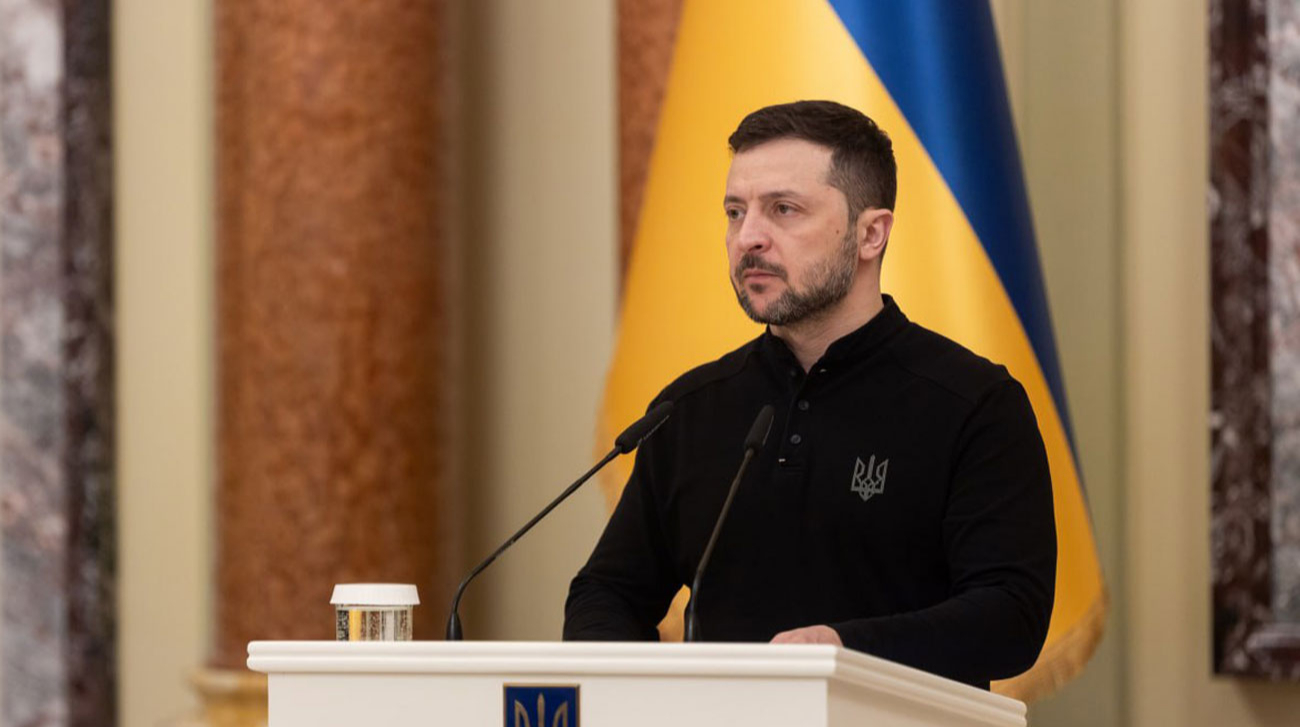
Ukrainian President Zelenskyy speaks on Day of Remembrance, calling Russia a renewed version of Nazism. — Source: ukrainskapravda
International Involvement and Humanitarian Issues
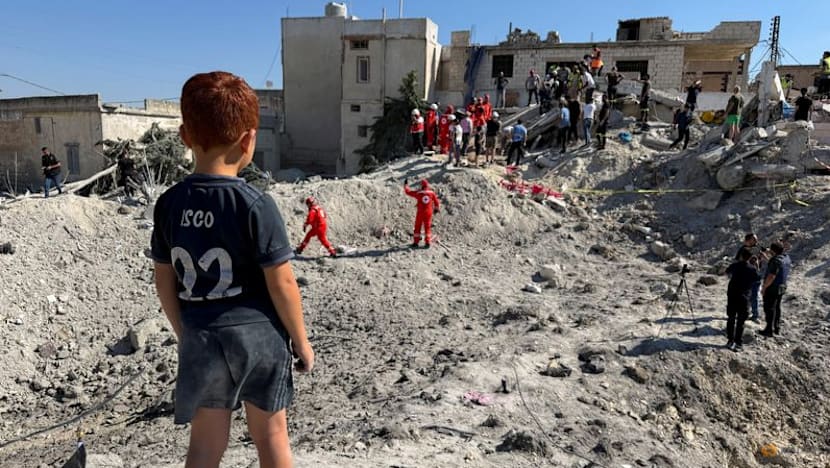
International involvement in the war Ukraine has intensified with the deployment of thousands of North Korean soldiers to fight for Russia, an estimated 11,000 in total.[4] Reports indicate these troops have engaged directly in combat, with a memorial now hinting at the significant death toll suffered.[4] This foreign manpower infusion aims to bolster Russian lines amid high casualties, yet the visible commemoration of losses suggests heavy attrition rates, potentially deterring further commitments from Pyongyang.[4] The presence of North Korean forces marks a rare instance of overt military collaboration between Russia and the isolated regime, raising concerns over technology transfers and long-term alliances.[4] Concurrently, humanitarian crises plague Russian-occupied territories, exemplified by the situation in Oleshky, Kherson Oblast.[5] Ukraine has condemned the "alarming" conditions there, where civilians remain trapped without access to aid, facing isolation under occupation.[5] This dire scenario—lacking medical supplies, food, and evacuation routes—highlights the perils of contested regions in the war Ukraine.[5] Official Ukrainian statements decry the Russian authorities' failure to facilitate humanitarian access, leaving residents vulnerable to bombardment, disease, and deprivation.[5] The trapped status of civilians in Oleshky underscores broader patterns in occupied areas, where control prioritizes military objectives over welfare.[5] These intertwined issues—external troop deployments and neglected populations—illustrate the war Ukraine's global reach and human toll.[4][5] North Korea's role expands the conflict's geopolitical footprint, while Oleshky's plight demands urgent attention to protect non-combatants.[4][5]
Broader Implications of the War
The war Ukraine's broader implications emerge from the convergence of military adaptations, psychological shifts, leadership rhetoric, international entanglements, and humanitarian neglect, all drawn from recent developments.[1][2][3][4][5] Ukraine's effective use of makeshift weapons amid tank and armor shortages demonstrates a capacity for sustained warfare, countering Russia's numerical edges and contributing to the tilting balance.[1][2] Putin's paranoia—fear of Ukrainians and elite discord—signals a defensive pivot, particularly evident before Victory Day, which may constrain Moscow's operational freedom.[2] Zelenskyy's portrayal of Russia as a "renewed version of Nazism" reframes the conflict historically, galvanizing resolve and support.[3] The dispatch of 11,000 North Korean soldiers, marred by memorialized casualties, reveals Russia's reliance on proxies at high cost, potentially straining alliances.[4] In occupied Oleshky, the condemnation of aidless civilians exposes occupation's failures, fueling Ukrainian determination and international scrutiny.[5] Collectively, these factors suggest a war Ukraine where Ukraine's adaptability and moral clarity are eroding Russian advantages, fostering a protracted stalemate or favorable shift.[1][2][3][4][5] The psychological erosion in the Kremlin, paired with foreign losses and humanitarian critiques, amplifies pressure on Putin.[2][4][5] Meanwhile, innovative tactics ensure frontline viability.[1] Zelenskyy's WWII parallels sustain narrative momentum.[3] This multifaceted pressure portends deeper challenges for Russia, while Ukraine leverages ingenuity and alliances for endurance.[1][2][3][4][5]
What to watch next: Further indicators of Putin's paranoia and elite tensions ahead of key Russian commemorations,[2] alongside updates on North Korean casualties via memorials[4] and humanitarian access in areas like Oleshky.[5] Zelenskyy's ongoing historical framing may also shape international responses.[3]