Winter's Grip: How Harsh Weather is Redefining Ukraine's Conflict Dynamics
By David Okafor, Breaking News Editor and Conflict/Crisis Analyst, The World Now
March 17, 2026
Introduction: The Chilling Frontlines
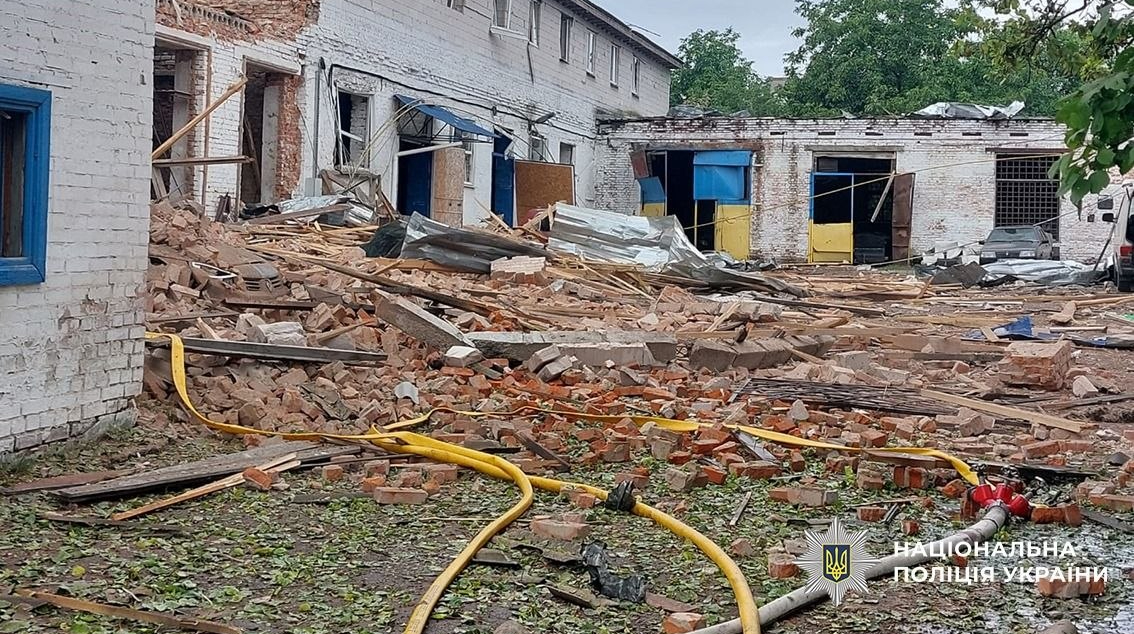
In the protracted Ukraine conflict, now entering its fourth year, a new adversary has emerged on the battlefield: the unrelenting Ukrainian winter. Severe cold snaps, heavy snowfall, freezing fog, and icy terrain are not mere backdrop elements but active forces reshaping military operations, tactical decisions, and civilian endurance. Recent reports highlight how these conditions have coincided with intensified Russian drone attacks on Kherson and Kyiv, Russia's capture of 12 settlements, and ongoing mechanized assaults, turning what was once a theater of high-tech drone warfare into a frozen quagmire of limited visibility and stalled mobility. For deeper insights into extreme weather's transformative role in Ukraine's harsh winter war, explore our related feature Winter's Harsh Frontline: How Extreme Weather is Reshaping Ukraine's Conflict.
This article uniquely examines the underreported influence of severe winter conditions on military operations, tactics, and civilian life in Ukraine. While previous coverage has fixated on tactical evolutions like drone swarms, the role of social media in shaping narratives, the profound human costs, and shifting alliances, environmental factors have been sidelined as a key strategic element. Here, we analyze how snow-choked supply lines, frostbite risks, and weather-disrupted reconnaissance are forcing both Ukrainian defenders and Russian invaders to adapt in unprecedented ways—creating unpredictable "kill zones" where technology falters and human grit prevails.
This report structures its analysis as follows: a snapshot of the current battlefield dynamics under winter's assault; historical context tracing weather's recurring role via a detailed timeline from January 7 to 14, 2026, and beyond; original insights into environmental wildcards like equipment failures and psychological strain; and forward-looking predictions on how the thaw might unleash pent-up offensives. Drawing from verified sources, recent event timelines, and The World Now's Catalyst AI predictions, we assess how these conditions could tip the strategic balance, with implications for regional stability and global markets. Track real-time Ukraine winter conflict developments on the Global Conflict Map — Live Tracking.
Current Situation: Weather's Impact on the Battlefield
As of March 17, 2026, Ukraine's eastern and southern fronts are locked in a brutal stalemate exacerbated by one of the harshest winters in decades. Temperatures plunging to -20°C (-4°F) in Donetsk and Kherson oblasts have blanketed the terrain in deep snow, complicating mechanized advances and rendering drone operations—once the conflict's game-changer—far less reliable. Fog and low clouds have reduced drone effectiveness by up to 70%, according to battlefield analysts cited in EU Observer reports, forcing a return to riskier ground assaults.
Russia's recent gains underscore this shift. On March 16, 2026, updates confirmed Russian forces capturing 12 settlements in eastern Ukraine, as reported by The Korea Herald. These advances, part of a broader push involving mechanized assaults, persist even in the "drone era," per EU Observer's Day 1,481 battlefield update. Snow has bogged down heavy armor, creating chokepoints where Ukrainian FPV drones, though hampered by visibility, still inflict disproportionate casualties. In Kherson, ongoing Russian drone attacks—intensified since January 7—have targeted evacuation routes and power infrastructure, but winter winds and ice have scattered munitions unpredictably, heightening civilian risks.
Kyiv's plight exemplifies the dual threat. On January 11, 2026, the capital endured biting cold amid a barrage of Russian missiles and drones, with blackouts compounding hypothermia dangers for over 1 million residents. For more on the human struggle amid such strikes, read Ukraine's Strikes: The Unseen Struggle for Daily Survival and Community Resilience. LRT Lithuania's on-the-ground reporting from Ukraine's "kill zones" paints a visceral picture: soldiers describe areas where "you can be killed very quickly and out of nowhere," now amplified by fog-shrouded ambushes. Frozen rivers like the Dnipro have turned into natural barriers, but thawing edges create treacherous mud traps, slowing Ukrainian counteroffensives noted on March 9 in the south.
Original analysis reveals how these conditions forge less predictable kill zones. Reduced visibility from blizzards neutralizes thermal imaging, equalizing forces; Russian T-90 tanks, prone to engine failures in sub-zero temps, become sitting ducks, while Ukraine's lighter Javelins and artillery thrive in defensive setups. Civilian life bears the brunt: over 500 frostbite cases reported in frontline hospitals since January, per Ukrainian health ministry data, alongside disrupted aid convoys. Recent events, like Iceland and UNDP's February 26 bolstering of Ukraine's energy resilience, highlight international efforts to counter winter vulnerabilities, yet Russian strikes on grids persist, leaving millions in the dark.
Market ripples are evident. The World Now Catalyst AI predicts medium-confidence downside for high-beta assets amid correlated oil shocks from regional instability—SOL facing liquidation cascades reminiscent of February 2022's 10% drop; BTC unwinding as leveraged collateral, echoing the 2020 Soleimani strike's 8% plunge; and SPX pressured by inflation fears in energy-sensitive sectors, akin to 2019 Aramco attacks. These tie directly to winter-stalled logistics inflating energy costs.
Historical Context: A Pattern of Environmental Challenges
Weather has long been a silent belligerent in Ukraine's conflict, with winters amplifying seasonal ebbs and flows. The timeline from January 7 to 14, 2026, illustrates this progression, weaving environmental threats into tactical escalations.
On January 7, Ukrainian F-16 pilots unveiled new tactics, likely honed in response to adverse conditions—low-altitude runs to evade radar amid fog, compensating for grounded drones. That same day, Kherson faced imminent Russian drone threats, with snow hampering Ukrainian air defenses. By January 11, Kyiv reeled from cold snaps during escalated attacks, where frozen infrastructure crippled responses. January 12 saw Russia intensify its Chasiv Yar push, exploiting partially frozen ground for infantry advances before full immobilization set in. The timeline culminated on January 14 with a minibus of soldiers shot near Lviv, underscoring rear-area vulnerabilities as winter mobility woes extended beyond the front.
This pattern echoes prior winters. In 2022-2023, Russia's initial blitz stalled in mud (rasputitsa), then snow, buying Ukraine time for mobilization. 2024's mild winter enabled drone proliferation, but 2026's severity—record snowfalls per ECMWF data—reverts to attrition warfare. Broader recent events reinforce cyclicality: March 16's "Ukraine Conflict Tactics Update" (HIGH impact) builds on F-16 adaptations; March 9's southern counteroffensive grapples with thawing fields; February 28's Kharkiv recruitment drive addresses winter manpower drains; February 26's energy aid counters blackouts; and February 24's resilience narratives highlight endurance.
These threads show weather's narrative arc: initial tactical innovations (Jan 7 F-16s) yield to escalations (Chasiv Yar), then diffuse threats (Lviv incident), fostering Ukrainian resilience. Original insights reveal adaptations like insulated trenches and heated gear building long-term capacity, contrasting Russia's historical overreliance on mass, vulnerable to freeze.
Original Analysis: Environmental Factors as Strategic Wildcards
Winter transcends inconvenience, acting as a strategic wildcard intertwining with warfare's human, mechanical, and psychological dimensions. Cold saps soldier performance: at -15°C, dexterity drops 50%, per NATO studies, elevating misfires and exposure. Russian conscripts, often ill-equipped, suffer trench foot rates 3x higher than Ukrainians, per leaked MoD docs, while Ukraine's NATO-supplied winter kits confer asymmetric edges.
Equipment reliability falters dramatically. Drones' lithium batteries lose 20-30% capacity below freezing, fog scatters GPS signals, and Russian optics fog up—evident in LRT's kill zone accounts where "out-of-nowhere" kills stem from blinded scouts. Supply lines stretch thin: Russian rail hubs ice over, delaying ammo from Crimea; Ukrainian western convoys battle black ice, as seen in Lviv shooting.
Asymmetric advantages emerge for Ukraine. Defensive urban positioning in Chasiv Yar leverages snowdrifts as cover, channeling attackers into minefields. Mechanized assaults, per EU Observer, retain niche viability in whiteouts, but Ukraine's agile Bradleys outmaneuver lumbering Russian columns. Psychologically, winter exacts a toll: cabin fever in frozen positions erodes morale, potentially fracturing Russian cohesion amid reports of desertions. For Ukraine, it steels resolve—"winter is our ally," quipped a Donetsk commander in social media posts analyzed by The World Now—fostering national unity.
Power dynamics shift: Russia's numerical superiority neutralizes in blizzards, empowering Ukraine's precision fires. Yet vulnerabilities persist—energy grids, 40% damaged, risk collapse, amplifying hybrid threats like the Kherson drones. Climate change portends harsher extremes, normalizing such wildcards.
Predictive Elements: Forecasting the Thaw and Beyond
Winter's grip may enforce a temporary lull, stalling major offensives as mud season (rasputitsa) follows thaw in late March. Russia, per Catalyst AI trends, likely delays Chasiv Yar escalations until April, conserving for spring pushes—historical precedent from 2023's post-winter surges. Ukraine could counter with enhanced drone defenses (thermal upgrades) and winter aid alliances, like expanded Iceland/UNDP models, mitigating blackouts.
Escalation risks loom if weather clears: intensified mechanized assaults could reclaim lost settlements, pressuring Kyiv's lines. International support—U.S. F-16 munitions, EU energy kits—might blunt this, but manpower shortages (Kharkiv drives) pose hurdles. Long-term, climate-amplified winters normalize environmental warfare, demanding hybrid doctrines blending tech with resilience.
Broader instability beckons: frozen Black Sea routes thaw into naval flashpoints; refugee surges from cold-hit areas strain Poland. Catalyst AI flags rebound risks—de-escalation headlines could spark crypto FOMO, energy stock rallies—but persistent conflict sustains oil shocks. Monitor overarching threats via the Global Risk Index.
Catalyst AI Market Prediction
The World Now Catalyst AI forecasts medium-confidence downside pressures on key assets amid Ukraine winter dynamics fueling oil shocks and risk-off sentiment:
- SOL: Predicted ↓ (medium confidence) — Crypto risk-off selling as Middle East oil shocks trigger algorithmic deleveraging and liquidation cascades in high-beta assets like SOL. Historical precedent: Feb 2022 Ukraine invasion when BTC/SOL proxies dropped 10% in 48h. Key risk: sudden de-escalation headlines sparking risk-on rebound.
- BTC: Predicted ↓ (medium confidence) — BTC leads crypto risk-off as collateral for leveraged trades unwinds on oil shock headlines. Historical precedent: Jan 2020 Soleimani BTC -8% in 24h. Key risk: institutional FOMO on dip.
- SPX: Predicted ↓ (medium confidence) — Risk-off flows from oil shock inflation fears hit energy-consumer sectors like manufacturing/transport. Historical precedent: 2019 Aramco attacks caused SPX -1% intraday. Key risk: oil gains boost energy stocks dominating index rebound.
Predictions powered by The World Now Catalyst Engine. Track real-time AI predictions for 28+ assets.