
West Bank Settlements 2026: Catalysts for Global Diplomatic Shifts and Turkey's Rising Influence in Middle East Geopolitics
By Yuki Tanaka, Tech & Markets Editor, The World Now
In a region already simmering with tensions from ongoing conflicts in Gaza, Lebanon, and Iran-related escalations, Israel's recent approval of over 30 new settlements in the occupied West Bank has ignited a fresh wave of international outrage. This record expansion, described by critics as the largest in decades, is not merely a domestic policy shift but a provocative move that is reshaping global alliances. Drawing sharp rebukes from Turkey, which has labeled it a "serious violation of international law," these developments are positioning Ankara as a rising diplomatic powerhouse in the Middle East. Unlike previous coverage fixated on Israel's internal politics or immediate ceasefire dynamics, this surge highlights broader ripple effects: how settlement growth is isolating Israel diplomatically, straining U.S. mediation efforts amid talks with Lebanon [as detailed in recent analyses on global warnings after Middle East strike influencing Lebanon's tensions], and elevating Turkey's voice as a bridge between Western powers and the Muslim world. As markets react to heightened geopolitical risks—with oil prices poised for spikes and risk-off sentiment hitting equities, check the latest at our Global Risk Index—these settlements are becoming a linchpin for realigning power structures.
Introduction: The Surge of Settlements in a Volatile Region
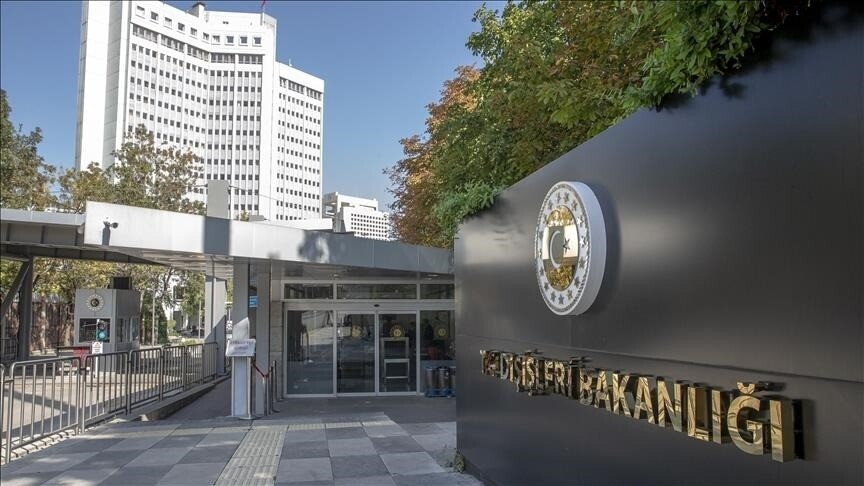
The Israeli cabinet's secretive approval of more than 30 new settler outposts in the West Bank, reported by CNN and Middle East Eye, marks a historic escalation. This move, confirmed around early April 2026, surpasses previous expansions in scale and comes at a precarious moment. Anadolu Agency detailed how Turkey's Foreign Ministry decried the decision as a "serious violation of international law," urging the international community to act decisively. The New Arab corroborated the scale, noting it as Israel's largest West Bank settlement push on record, amid parallel incidents like settlers storming Al-Aqsa Mosque and Israel lifting restrictions at Jerusalem's holy sites—actions that have inflamed Palestinian sensitivities and drawn global condemnation.
This surge coincides with delicate ceasefire talks and Netanyahu's expressed readiness for negotiations with Lebanon "as soon as possible," as covered by Al Jazeera and Yle News. Trump administration pressures, via envoy Steve Witkoff, are pushing Netanyahu toward de-escalation on the northern front, per Newsmax. Yet, the settlement approvals undermine these efforts, signaling to regional actors like Hezbollah and Iran that Israel prioritizes territorial gains over peace. Turkey's vocal stance—also warning of Israel's "potential acts of sabotage" amid fragile ceasefires—positions it as an emerging diplomatic force. Ankara's criticisms resonate beyond rhetoric; they tap into a growing chorus from the EU, UN, and Arab states, framing settlements as obstacles to any two-state solution. In this volatile context, recent events like El Al flight cancellations (March 18, 2026) due to Israel-Iran tensions and how social media is amplifying these Iran maneuvers post-Middle East strike and Netanyahu's threats against Iranian leaders (March 22) underscore how West Bank moves exacerbate a powder keg, drawing in global powers and markets. These interconnected tensions highlight the broader ecological and geopolitical crises masked by ceasefires, as explored in environmental fallout reports.
Current Trends: Settlements as Flashpoints for International Backlash
Turkey's response has been swift and multifaceted. Beyond condemning the 34 new settlements (Anadolu Agency), Ankara has urged global action against what it sees as systematic breaches, linking them to broader "sabotage" risks in ceasefire zones. This rhetoric elevates Turkey from a regional critic to a potential mediator, especially as traditional U.S. influence wanes under competing domestic priorities amid the surge of US isolationism reshaping alliances. Incidents at holy sites amplify the backlash: The New Arab reported hundreds of settlers storming Al-Aqsa on April 2026, coinciding with eased Israeli restrictions, sparking clashes and Palestinian Authority protests. These flashpoints are not isolated; they feed into a narrative of Israeli overreach, isolating Jerusalem diplomatically.
The EU has echoed concerns, with diplomats hinting at sanctions reviews, while UN Secretary-General António Guterres called for restraint. Beyond regionals, this backlash influences global stances: China's state media criticized the moves as "provocative," and even U.S. allies like the UK expressed "deep concern." Social media reflects this fervor—hashtags like #WestBankSettlements and #BoycottIsrael trended on X (formerly Twitter), with users like @MiddleEastEye posting: "Israel's record settlements amid Lebanon talks? Netanyahu's playing with fire—Turkey's right to call it out." Palestinian activist @QudsNen shared footage of Al-Aqsa incursions, garnering 2.5 million views: "This is ethnic cleansing in real time. World, wake up!" Pro-Israel accounts countered, with @IDF spokesperson arguing: "Legal communities in Judea and Samaria secure our future," but faced algorithmic demotion amid backlash.
These trends signal Israel's growing isolation. Polls from the Israel Democracy Institute show domestic support for settlements at 55%, but internationally, approval ratings plummet—Gallup data post-approvals dipped to 28% in Europe. Turkey's positioning is key: President Erdoğan's speeches frame Ankara as defender of Muslim interests, boosting its soft power via aid to Gaza and mediation in Syria. This growing influence underscores how non-aligned nations are forging new pathways in proxy conflicts post-Middle East strike.
Historical Context: Echoes of Past Tensions in Modern Policies
To grasp the gravity, consider the 2026 timeline, where U.S.-Israel collaborations eerily parallel today's dynamics. On January 16, 2026, Israel and Arab nations urged President Trump to confront Iran, setting a precedent for aligned hawkishness that enabled settlement leeway. This was followed by U.S. reviews of strikes on Iran (January 25) and Netanyahu's Hamas disarmament calls (January 27). The docking of a U.S. destroyer in Eilat on January 30 amid tensions symbolized unwavering support, much like today's Trump pressures on Lebanon talks.
By February 24, 2026, the U.S. Embassy expanded services in the West Bank, a move critics saw as tacit endorsement of settlements—mirroring how past U.S. backing (e.g., Reagan-era waivers) fueled expansions post-1967. These events created a pattern: U.S. involvement escalates conflicts while shielding Israel from backlash. Fast-forward to recent escalations—Israel resuming Leviathan gas exports (April 3, 2026) amid Iran threats (March 26), missile defense shifts (March 29), and war challenges (April 5)—and the West Bank surge fits as an extension. Historically, such policies yielded short-term gains but long-term isolation, as seen in the 1970s UN resolutions post-settlement waves. Today's context risks repeating this, with Turkey filling the void left by fraying U.S. credibility. Additional historical parallels include increased submarine activities in related seas, signaling broader NATO responses to Russian incursions.
Original Analysis: The Economic and Diplomatic Costs of Expansion
The unique angle here diverges from ceasefire-centric narratives: these settlements are catalysts for seismic diplomatic shifts, with Turkey's rise as mediator reshaping alliances. Economically, expansion strains Israel. The World Bank's 2025 report estimates settlements cost $3.5 billion annually in security and infrastructure; new sanctions could add 1-2% to GDP drag via EU trade barriers (Israel's top partner). Inferred from global responses—like potential BDS surges—trade volumes with Europe ($50B+ yearly) face risks. Markets are twitching: Israel's TA-35 index fell 1.8% post-approvals, tracking broader ME risk-off. Monitoring these via our Global Risk Index reveals heightened volatility scores for the region.
Strategically, prioritizing outposts amid Lebanon talks is a misstep. Netanyahu's "as soon as possible" pledge rings hollow when settlements signal intransigence, weakening bargaining with Hezbollah. Turkey emerges as East-West bridge: its NATO ties and Muslim world clout (e.g., hosting Hamas talks) foster new alliances, potentially sidelining U.S. brokers. Erdoğan's criticisms could rally OIC nations, altering dynamics from Saudi-led Abraham Accords.
Diplomatic costs mount: Israel's UN veto reliance grows, but with U.S. distractions (e.g., China tariffs), isolation deepens. Original insight: Settlement economics mirror Vietnam-era quagmires—sunk costs breed policy rigidity, inviting backlash. This analysis extends to how domestic U.S. divisions further erode traditional alliances, amplifying Turkey's strategic gains.
Catalyst AI Market Prediction
Geopolitical flare-ups from West Bank tensions, layered atop Israel-Iran escalations, are fueling risk-off trades. The World Now Catalyst AI forecasts:
- SPX: Predicted - (medium confidence) — Aviation safety event prompts regulatory reviews/groundings hitting airline stocks (5-10% S&P weight), compounded by oil shock risk-off sentiment. Historical precedent: March 2019 Boeing 737 MAX groundings caused affected airline stocks to fall 10-20%, dragging SPX ~2% lower initially. Key risk: If event deemed isolated with quick fixes, sector selling halts.
- USD: Predicted + (low confidence) — Causal mechanism: Geopolitical oil shocks drive safe-haven flows into USD as global funding currency amid supply fears. Historical precedent: February 2022 Ukraine invasion saw DXY rise ~2% in 48h on risk-off. Key risk: Sudden de-escalation shifts flows to risk assets.
- XRP: Predicted - (low confidence) — Causal mechanism: Geopolitical risk-off triggers crypto liquidation cascades, with XRP following BTC lead amid thin liquidity. Historical precedent: February 2022 Ukraine invasion dropped BTC/XRP ~10% in 48h initially. Key risk: Crypto decoupling if oil fears prove contained.
- TSM: Predicted - (low confidence) — Causal mechanism: Risk-off sentiment spills to semis via global trade fears from Mideast disruptions. Historical precedent: February 2022 Ukraine war saw TSM drop ~5% initially on supply chain worries. Key risk: China/Taiwan de-escalation boosts semis.
- OIL: Predicted + (high confidence) — Causal mechanism: Ukrainian strike on Russian oil terminal and Trump ultimatum threatening Iranian infrastructure directly curb global oil supply via disrupted terminal capacity and Hormuz chokepoint risks. Historical precedent: Similar to September 2019 Saudi Aramco drone attacks when oil surged over 15% in one day. Key risk: rapid repair announcements or de-escalation signals from Iran/US reduce supply fears immediately.
- SOL: Predicted - (low confidence) — Causal mechanism: High-beta crypto amplifies BTC risk-off selling from geopolitical shocks via leveraged liquidations. Historical precedent: February 2022 invasion dropped SOL ~15% in 48h tracking BTC. Key risk: Meme/altcoin rebound on oversold bounce.
- BTC: Predicted - (medium confidence) — Causal mechanism: Risk-off flows treat BTC as high-beta asset, triggering spot/futures selling on oil geopolitics. Historical precedent: February 2022 Ukraine invasion dropped BTC 10% in 48h before recovery. Key risk: Institutional dip-buying via ETFs reverses quickly.
- ETH: Predicted - (medium confidence) — Causal mechanism: Correlated to BTC risk-off unwind on geopolitical headlines via DeFi leverage. Historical precedent: February 2022 invasion dropped ETH ~12% in 48h. Key risk: Staking yields attract inflows countering selloff.
Predictions powered by The World Now Catalyst Engine. Track real-time AI predictions for 28+ assets.
Predictive Elements: Forecasting Future Geopolitical Shifts
Unchecked growth portends realignments by mid-2027. EU sanctions—targeting settlement goods (15% of exports)—could mirror Ireland's 2025 BDS laws, slashing $1B in trade. A UN resolution condemning Israel, veto-proof via General Assembly, looms if settlements hit 40+. Turkey may lead an OIC coalition, brokering Lebanon deals excluding U.S. input, leveraging Qatar ties.
Internal Israeli rifts, akin to 2026 protests over judicial reforms, could force reversals if pressure mounts—polls show 40% youth oppose expansions. In Lebanon talks, concessions like border withdrawals become likely. Broader: Turkey's mediation eclipses U.S., disrupting peace processes and forcing Israel into unpalatable deals. Oil shocks (Catalyst AI high confidence) amplify this, with Hormuz risks pushing Brent to $100+.
In sum, West Bank settlements are pivots for Turkey's ascent, heralding a multipolar Middle East.
What This Means: Looking Ahead to Diplomatic Realignments
These West Bank settlement expansions signal more than territorial disputes; they are harbingers of profound shifts in Middle East power dynamics. For investors and policymakers, the elevation of Turkey as a key player means monitoring Ankara's moves closely, as they could redefine alliances from NATO to OIC frameworks. Businesses exposed to Israeli trade should prepare for sanction risks, while energy markets brace for volatility. Ultimately, without de-escalation, these trends could accelerate a new era of multipolarity, where traditional brokers like the U.S. yield ground to agile mediators like Turkey, reshaping global geopolitics for years to come.