
Water Contamination Outbreak in Indore Claims Lives and Sparks Accountability Crisis
A severe outbreak of waterborne illness in Indore, India, has resulted in at least ten deaths and over 200 hospitalizations, with many patients suffering from acute diarrhea due to contaminated drinking water. The outbreak, which began on January 1, 2026, has prompted significant government action, including the removal of key municipal officials.
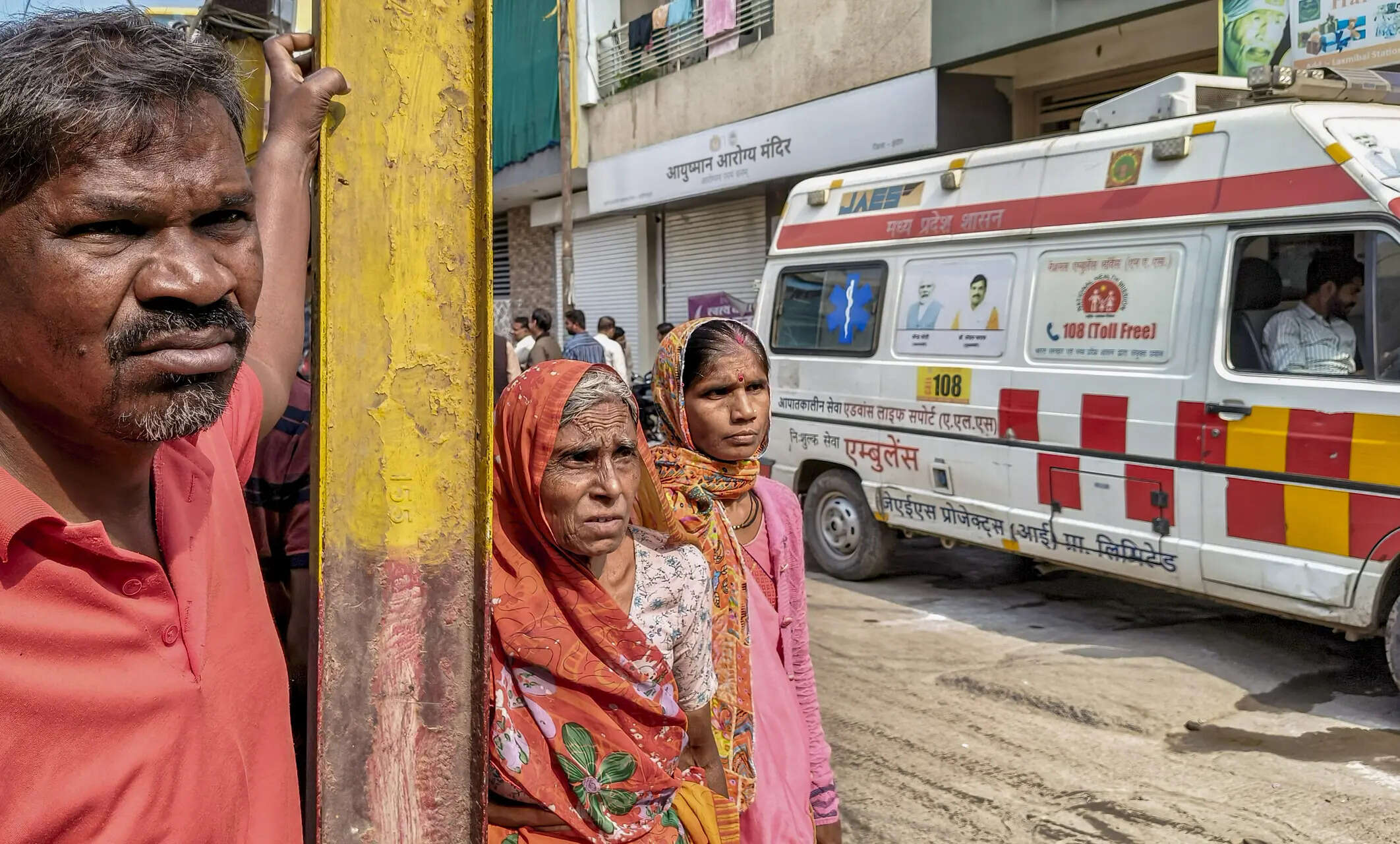
Authorities have reported that the contaminated water supply in Indore's Bhagirathpura locality is the primary cause of the outbreak. As of January 2, 2026, approximately 200 individuals remain hospitalized, with 32 in critical condition in intensive care units (ICUs) across local hospitals. The situation has raised alarms about public health and safety standards in the region.
In response to the crisis, the Madhya Pradesh government has taken decisive action, removing municipal commissioner Dilip Kumar Yadav and suspending additional commissioner Rohit Sisoniya. Additionally, a superintendent engineer overseeing water supply infrastructure was also dismissed. New officials have been appointed to manage the ongoing health crisis and restore public confidence in local governance.
The outbreak has led to a heated debate among civic body officials and local councillors, with accusations of negligence and failure to act on prior complaints regarding water quality. As the situation escalates, officials have engaged in a blame game, with various stakeholders attempting to deflect responsibility for the outbreak and its devastating impact on the community.
Local residents have voiced their frustration over the lack of timely action from officials, expressing concerns that complaints about the water quality had been ignored for months prior to the outbreak. This has led to calls for greater accountability and transparency from the Indore Municipal Corporation (IMC) regarding water safety standards and public health measures.
Background
Water contamination outbreaks are not uncommon in India, where inadequate infrastructure and pollution can compromise drinking water quality. The current incident in Indore underscores the urgent need for improvements in municipal management and public health preparedness. With India's rapid urbanization, many cities face significant challenges in maintaining safe drinking water supplies.
The ongoing crisis in Indore highlights the critical intersection of public health and governance, raising questions about the effectiveness of local government systems in responding to health emergencies. As the situation develops, the community's demand for accountability and systemic reform will likely intensify.
Conclusion
As Indore grapples with the impact of this water contamination outbreak, the focus shifts to ensuring proper health care for affected individuals and implementing measures to prevent such incidents in the future. With the state government taking steps to address the crisis, the community awaits further actions that will restore safety and trust in their water supply. The unfolding circumstances serve as a stark reminder of the importance of rigorous public health systems and governance in safeguarding the health of citizens.