Health Democratic Republic of the Congo records four Ebola recoveries in Bunia
The health democratic republic of the congo continues to confront an Ebola outbreak linked to the Bundibugyo strain, with international partners focusing on both containment and recovery support. The World Health Organization reports 906 suspected cases and 223 suspected deaths from the Bundibugyo strain of Ebola in the Democratic Republic of the Congo [4]. This situation has prompted coordinated humanitarian and financial responses across multiple organizations.
Outbreak Scale
The World Health Organization has documented 906 suspected cases of Ebola caused by the Bundibugyo strain in the Democratic Republic of the Congo, along with 223 suspected deaths under investigation [4]. These figures reflect the current scope of the outbreak as reported by health authorities. The data underscore the need for sustained surveillance and rapid response measures to address both confirmed and suspected infections. Ongoing assessments continue to refine the understanding of transmission patterns within affected areas.
Recoveries in Bunia
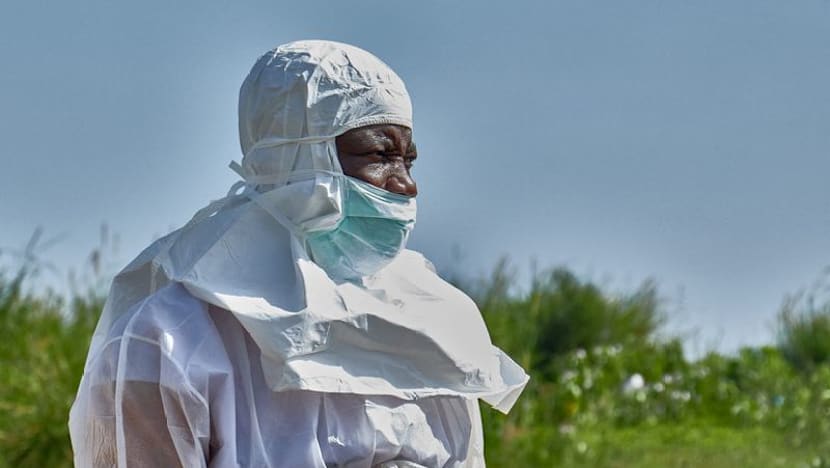
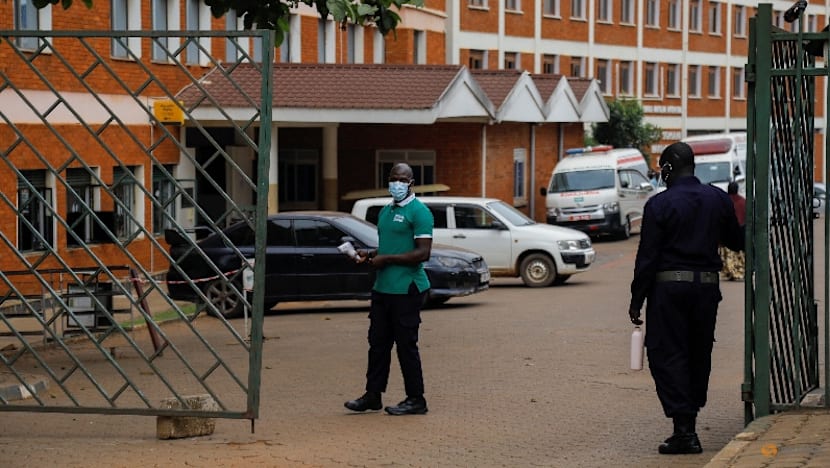
Four nurses who were treated for Ebola caused by the Bundibugyo virus have been discharged from a hospital in Bunia after recovering [1]. Health officials note that additional recoveries are anticipated, particularly when individuals receive early diagnosis and timely access to care. The discharge of these health workers highlights progress in clinical management as outbreak response activities intensify across the region. Such outcomes provide concrete examples of how prompt intervention can lead to positive results for patients.
Aid Deliveries
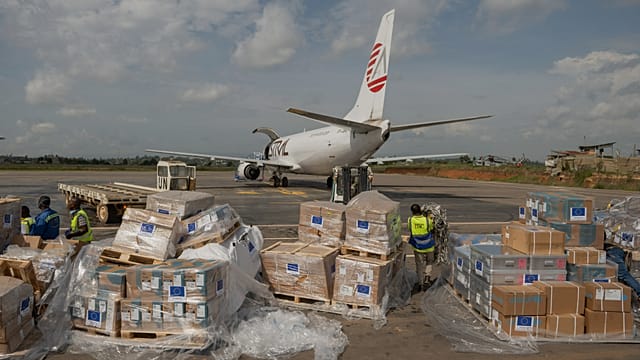
More than 100 metric tons of emergency humanitarian supplies are being airlifted into the Democratic Republic of the Congo [3]. UNICEF, the World Health Organization, and the European Union are jointly supporting these deliveries to strengthen containment efforts against the fast-spreading outbreak. The scale of the airlift reflects the logistical demands of delivering essential materials to areas experiencing active transmission. These supplies form a critical component of the broader strategy to limit further spread while supporting local health infrastructure.
United States Support
The United States is the largest financial contributor to the Ebola response effort, working in close coordination with the Centers for Disease Control and Prevention [2]. This support targets the outbreak affecting both the Democratic Republic of the Congo and neighboring regions. The partnership emphasizes rapid and comprehensive measures to assist national authorities in managing cases and preventing wider transmission. Financial resources from the United States help sustain operational activities across multiple response pillars.
Regional Spread
Cases linked to the Bundibugyo strain have also been reported in Uganda, prompting a cross-border response approach [2, 4]. The United States and partner organizations are addressing the situation in both the Democratic Republic of the Congo and Uganda through aligned activities. This regional dimension requires continued monitoring to track any additional occurrences and maintain coordinated containment protocols.
What to watch next is further updates on additional recoveries in Bunia and the ongoing airlift of supplies, alongside continued tracking of suspected cases reported by the World Health Organization in the Democratic Republic of the Congo and Uganda.