
Health Democratic Republic of the Congo records four Ebola recoveries among nurses in Bunia
Health Democratic Republic of the Congo continues to face an active Ebola outbreak linked to the Bundibugyo strain, with four nurses among the health workers who have now recovered and returned home after treatment in Bunia. The World Health Organisation has recorded 906 suspected cases and 223 suspected deaths under investigation. [4] International partners are scaling up support to contain spread that has reached neighboring areas.
WHO Case and Death Figures
The World Health Organisation reported 906 suspected cases of Ebola caused by the Bundibugyo strain in the Democratic Republic of the Congo, including 223 suspected deaths that remain under investigation. [4] These figures reflect the scale of the current outbreak and the need for continued surveillance. The data come from official assessments released on Friday and cover both confirmed and probable infections across affected zones. Health authorities emphasize that early reporting and laboratory confirmation are essential to refining these totals as the response progresses.
Recoveries Among Health Workers
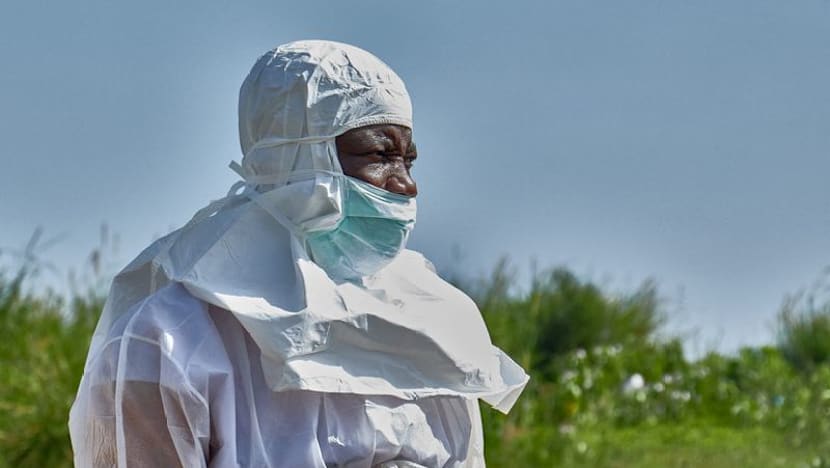
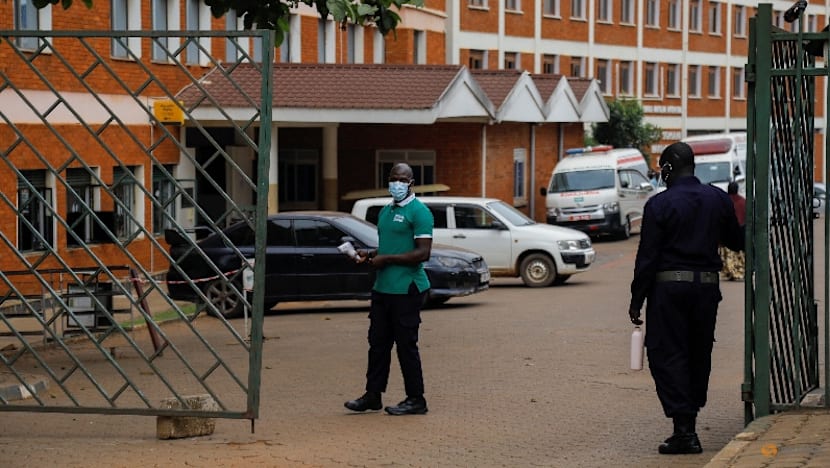
Four nurses who contracted Ebola disease caused by the Bundibugyo virus have been discharged from a hospital in Bunia after successful treatment. [1] The patients recovered fully and were released to return to their communities. Officials note that additional recoveries are anticipated when cases are identified early and patients receive timely care. The discharges coincide with intensified outbreak response measures that include expanded contact tracing and improved access to treatment centers. These outcomes demonstrate the value of rapid isolation and supportive medical intervention in reducing fatalities among frontline staff.
International Aid Delivery
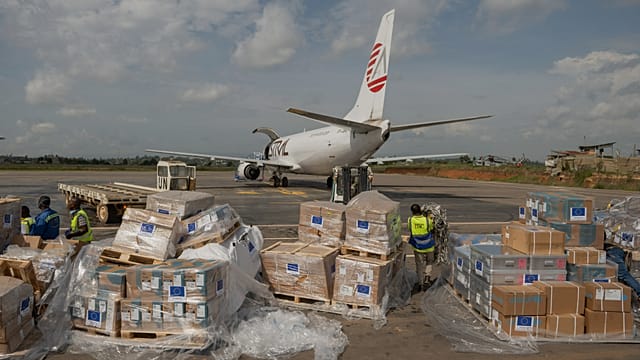
More than 100 metric tons of emergency humanitarian supplies are being airlifted into the Democratic Republic of the Congo by UNICEF, the World Health Organisation and the European Union. [3] The shipments aim to strengthen containment efforts against an outbreak that has already infected more than 120 people. The aid includes medical equipment, protective materials and logistical support required to maintain treatment facilities and surveillance teams. Coordinated airlifts allow rapid distribution to remote locations where the virus is active, helping to close gaps in supply chains that could otherwise slow the response.
Health Democratic Republic of the Congo United States Response Role
The United States is the largest financial contributor to the Ebola response effort in the Democratic Republic of the Congo and Uganda. [2] The Department of State continues to coordinate closely with the U.S. Centers for Disease Control and Prevention to mount a rapid and comprehensive operation. Funding supports surveillance, laboratory capacity and infection prevention activities on both sides of the border. This level of support complements the work of multilateral partners and helps sustain field operations that rely on consistent resources to track cases and protect health workers.
Cross-Border Cases
Cases linked to the Bundibugyo strain have also been reported in Uganda. [4] The cross-border dimension requires joint planning between the two countries to monitor movement and share epidemiological data. The United States response includes activities in both nations to address this shared risk. [2] Coordinated measures focus on strengthening points of entry and maintaining communication channels that allow timely alerts when new infections appear near the frontier.
What to watch next is further discharges of treated patients and the arrival of additional supply shipments that will support ongoing containment in the Democratic Republic of the Congo and Uganda.