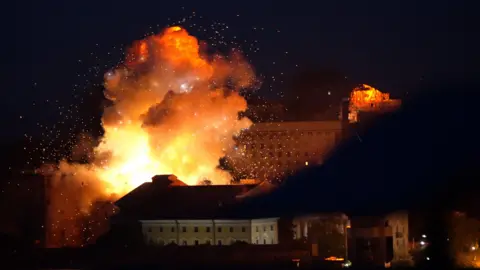

War Ukraine draws increased Russian threats amid signs of Kremlin concern
The developments in war ukraine continue to draw attention as Russia ramps up threats against Ukraine. Reports indicate that Moscow's rhetoric may point to the Kremlin's nervousness over the war's direction, according to a BBC defence correspondent writing from Kyiv [1]. This escalation comes amid ongoing military actions and intelligence assessments that highlight potential vulnerabilities in the Kremlin's strategic outlook.
Russian Threats Escalate
Russia has increased its threats against Ukraine in recent statements and communications. A BBC defence correspondent reports from Kyiv on the increased Russian threats, noting patterns in official messaging that suggest heightened pressure [1]. These threats form part of a broader pattern observed during the conflict, where verbal escalations accompany military movements. The correspondent's on-the-ground reporting from Kyiv provides direct insight into how these statements are received and interpreted locally. Analysts tracking the situation note that such rhetoric often coincides with shifts on the battlefield, though the precise triggers remain tied to the overall conduct of operations in war ukraine.
Kremlin Rhetoric Analysis
Moscow's rhetoric may point to the Kremlin's nervousness over the war's direction, as assessed by the BBC defence correspondent based in Kyiv [1]. This interpretation draws from the tone and frequency of recent pronouncements, which appear more defensive than in earlier phases. The analysis suggests that internal concerns about the trajectory of events could be influencing public messaging from Russian officials. Observers in Kyiv have noted that the language used often emphasizes resolve while revealing underlying uncertainties about sustained progress. Such assessments are grounded in monitoring of official channels and cross-referenced with developments reported directly from the Ukrainian capital [1].
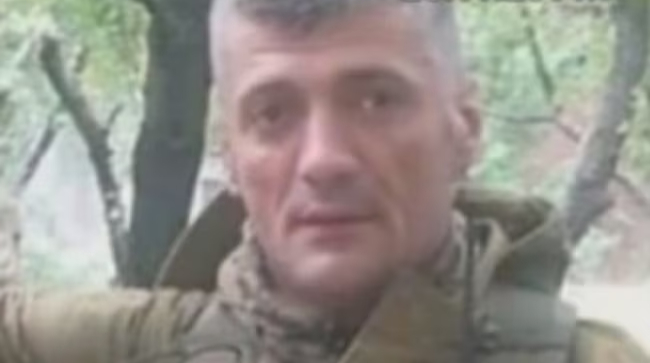
Ukraine's Security Service gathers evidence of war crimes by a Serbian mercenary in Kyiv Oblast. — Source: ukrainskapravda
War Crimes Evidence Collection
Ukraine's Security Service (SSU) and Defence Intelligence of Ukraine (DIU) have gathered evidence of war crimes [2]. This effort focuses on documenting specific incidents tied to foreign fighters operating in Ukrainian territory. The agencies have compiled materials that detail actions taken during particular phases of the conflict. Their work involves systematic review of available records and testimonies to establish chains of responsibility. The collection process underscores the role of Ukrainian security and intelligence bodies in preserving information for potential future proceedings.
Serbian Mercenary Involvement
The evidence concerns Serbian mercenary Davor Savičič during the occupation of Kyiv Oblast [2]. Details gathered point to his participation in events that Ukrainian authorities classify as war crimes. The case is situated within the wider activities of mercenaries aligned with Russian forces. Analysts from the Defence Intelligence of Ukraine have contributed to piecing together the timeline and locations associated with these actions. This specific focus on an individual mercenary highlights the international dimension of forces involved in the occupation.
{IMAGE_3}
Evidence of Involvement in Kyiv Oblast
Further details from the gathered materials address the period when Davor Savičič operated in Kyiv Oblast [2]. The SSU and DIU have cross-verified information linking the mercenary to documented incidents in that region. This regional emphasis allows for more precise mapping of events during the occupation phase. The agencies continue to build on initial findings to strengthen the overall body of evidence. Such targeted collection efforts reflect standard procedures for handling cases involving foreign nationals in the conflict zone.
Full-Scale War Context
The actions occurred in the context of Russia's full-scale war against Ukraine [2]. Ukrainian services frame their evidence gathering within this larger setting, where multiple actors have been active across various oblasts. The SSU and DIU integrate this case into broader assessments of mercenary involvement throughout the full-scale phase. Reporting from sources confirms that the documented activities align with the timeline of intensified operations following the initial invasion. This contextual placement helps situate individual cases within the ongoing dynamics of war ukraine.
What to watch next: Continued monitoring of Russian statements from Kyiv and further updates on evidence compiled by the SSU and DIU regarding incidents in Kyiv Oblast.



