Ukraine Strikes Hit Russian Oil Depots and 12 Tankers in Sea of Azov
Ukraine strikes on Russian energy sites have hit oil depots, a fuel storage facility, an oil-pumping station, an oil-loading terminal and at least 12 tankers in the Sea of Azov, with fires reported at multiple locations and damage assessments still underway. These Ukraine strikes form part of a broader effort against Russian oil infrastructure that has contributed to shortages and export restrictions inside Russia.
Ukrainian Strikes on Russian Energy Infrastructure
Ukrainian forces struck oil depots in the Tver and Stavropol regions, a reserve fuel storage facility roughly 800 km from the front line, an oil-pumping station in Ufa nearly 1,500 km from the border, and an oil-loading terminal in the Rostov region about 200 km from the front line. [1] In the Sea of Azov, Ukrainian units hit 12 Russian tankers along with a tugboat and a cargo ship, while also striking the Yug Rusi oil terminal at Bataisk in Rostov Oblast. [4] Fires broke out at the Krasnaya Zarya oil depot in Tver Oblast after drones struck the site 520 km from Ukraine’s state border, and a large fire spread at the Stavropolskaya oil depot in Stavropol Krai more than 500 km from Ukraine. [5] The vessels targeted in the Sea of Azov had been used to supply fuel and lubricants to Russian military groupings and to transport oil and petroleum products in circumvention of international sanctions. [4] Damage assessments continue at the Yug Rusi oil terminal, where a fire was reported in the vicinity, and at the struck vessels. [4]
Impact on Russian Fuel Supplies
The Ukraine strikes have triggered a severe fuel crisis across Russia, with more than 90 percent of regions introducing rationing or reporting shortages of petrol and diesel. [1] Moscow has responded by banning a number of oil exports as one of the world’s top oil producers. [1] These shortages stem directly from repeated attacks on Russian oil depots and refineries that have reduced domestic supply capacity. [3] Official statements and local media reports confirm the widespread rationing measures now in place throughout most Russian regions. [1]
Ukrainian strikes damaged multiple Russian oil depots, fuel facilities and at least 12 tankers in the Sea of Azov. — Source: ukrainskapravda
Zelenskyy's Statement and Strategic Context
Ukrainian President Volodymyr Zelenskyy described the strikes as part of Kyiv’s campaign of “long-range sanctions” carried out in response to Russian attacks and Moscow’s refusal to end the war. [1] He stated that every day of delay should bring the feeling of war to where it all began, to Russia. [1] Zelenskyy noted that Ukrainian defence forces had also hit the reserve fuel storage facility 800 km from the front line and the oil-pumping station in Ufa nearly 1,500 km from the border. [1] These actions target facilities supporting Russia’s oil sector and sustaining its war policy, according to statements from Ukrainian officials. [5]
Russian Retaliatory Attacks and Claims
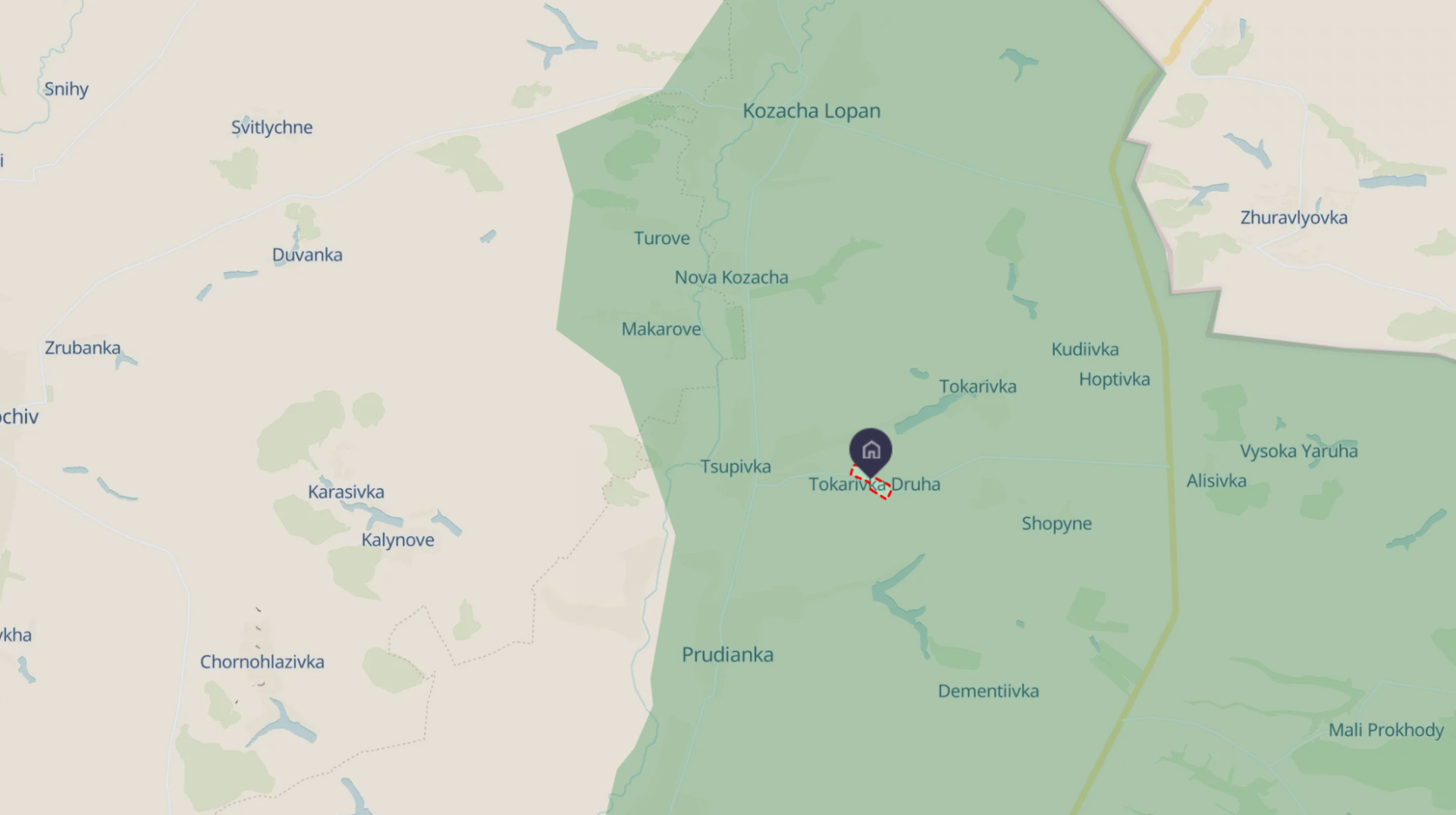
Russia’s Ministry of Defence said air defences downed 73 Ukrainian drones from late Wednesday until early Thursday. [1] Ukraine’s Air Force reported that Russia fired 94 long-range strike drones and two ballistic missiles at Ukraine overnight, with 19 drones and both missiles inflicting damage at 13 locations. [1] A separate Russian FPV drone attack killed a 57-year-old woman, the last resident of the border village of Tokarivka Druha in Kharkiv Oblast, after she sustained multiple shrapnel wounds on 8 July. [2] The woman, an employee of Derhachi Central Hospital, died despite efforts at Derhachi Central Hospital. [2]

Ukrainian strikes damage Russian oil depots and tankers in the Sea of Azov causing fuel shortages. — Source: france24
International Reactions and Diplomatic Context
US President Donald Trump, meeting Zelenskyy on the sidelines of the NATO summit in Turkiye, pledged to grant Ukraine a licence to manufacture the Patriot air defence system. [1] When asked about the Ukraine strikes in Russia, Trump stated, “It’s an escalation, but it’s also an escalation that can help lead to an end.” [1] The Kremlin said Ukrainian military pressure would not force it into concessions and described the view that escalation can move toward a peace settlement as mistaken. [1] Kremlin spokesman Dmitry Peskov added that further escalation may prolong the special military operation to some extent and warned that Russia would respond by creating a larger security zone. [1]
Background on Prior Strikes
Drone operators from Ukraine’s Unmanned Systems Forces struck eight Russian shadow fleet tankers in the Sea of Azov on the night of 6-7 July. [4] On 8 July, Rostov Oblast Governor Yuri Slyusar said two tankers bound for Rostov-on-Don had been damaged in a drone attack in Taganrog Bay. [4] On 9 July, Slyusar reported that two tankers had been damaged in Taganrog Bay in the second drone attack within a matter of days. [4] The Security Service of Ukraine separately confirmed strikes on the Cherkassy linear production and dispatch station in Ufa on the night of 7-8 July. [5]
What to watch next: Further assessments of damage at the Yug Rusi oil terminal and the struck Sea of Azov vessels are expected, while Russian regions continue to manage fuel rationing measures.