War Iran: U.S. Military Reports Significant Losses in Middle East Conflict
The war between Iran and the United States has reached day 65, marked by significant developments on both military and diplomatic fronts.[5] Iran has sent a new 14-point proposal to the U.S. aimed at ending the conflict, while President Trump is reviewing potential plans to address the ongoing war iran.[5] Amid these efforts, the U.S. military has reported large losses across the Middle East,[1] divisions have surfaced among Iran's clerics,[2] fighting on day 64 in southern Iran resulted in deaths with Trump issuing threats against the European Union,[3] and Iran's healthcare system in Tehran is nearing collapse.[4]
Overview of the Current War Situation
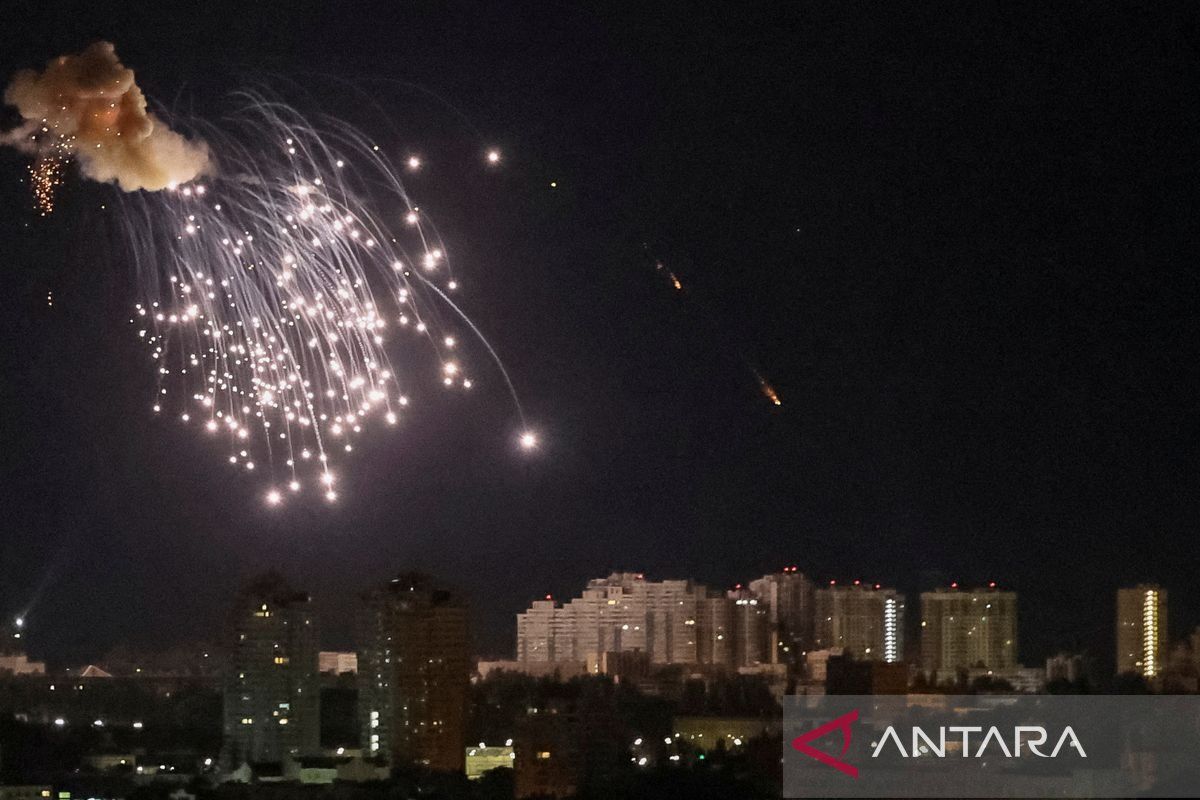
The ongoing war iran between Iran and the United States continues into its 65th day, as highlighted in recent reporting that underscores the protracted nature of the conflict.[5] This duration reflects a sustained engagement involving intense military operations and diplomatic maneuvering. On day 64, the situation escalated with reports of heavy fighting in the southern regions of Iran, where fires were reported and casualties occurred.[3] These events illustrate the persistent intensity across key areas of the country.
Key participants in this war include the United States, which has committed significant military resources to operations throughout the Middle East, and Iran, defending its territory amid widespread impacts.[1][5] President Trump's involvement is evident through his review of new plans to potentially end the war, signaling high-level U.S. strategic considerations.[5] The conflict's progression to day 65 indicates no immediate resolution, with daily developments shaping the battlefield dynamics.[5] Reports from day 64 emphasize the geographical focus on southern Iran, where combat activities have led to notable disruptions and human costs.[3]
This overview captures the war's current status as a multi-front engagement, with the U.S. facing challenges in its operations against Iran.[1] The involvement of established powers underscores the scale, as military actions persist without cessation.[3][5] The timeline from day 64 to 65 shows a continuity of hostilities, with diplomatic signals emerging alongside combat reports.[5] Such a prolonged duration places strain on all parties, as evidenced by the sequence of events documented in monitoring sources.[3] The war's structure involves direct confrontations, with the U.S. maintaining a presence across the region.[1] Iran's response includes both defensive measures and outreach for peace, as seen in recent proposals.[5]
Further context from the sources reveals that the war's daily progression is tracked meticulously, with day 65 bringing attention to potential shifts through reviewed plans.[5] The southern Iran's fighting on the previous day sets the stage for ongoing assessments of territorial control and military positioning.[3] Overall, the situation remains fluid, with the core participants locked in a conflict that has extended well beyond initial expectations.[1][3][5]
Recent Military and Diplomatic Developments
Recent days of the war iran have seen a mix of intensified military actions and diplomatic initiatives. On day 64, fighting raged in the southern part of Iran, resulting in deaths and widespread fires, as combat operations continued unabated.[3] This escalation coincided with U.S. President Trump issuing threats of destruction against the European Union, adding a layer of international tension to the conflict.[3]
Diplomatically, Iran has taken a proactive step by sending a new 14-point proposal to the United States, explicitly aimed at ending the war.[5] This move comes as President Trump reviews a new plan, indicating active consideration of resolution pathways at the highest levels.[5] These developments highlight a dual track of military pressure and negotiation efforts. The U.S. military's large losses across the Middle East provide backdrop to these events, influencing strategic calculations.[1]
The sequence from day 64's combat in southern Iran to day 65's diplomatic overtures demonstrates the war's volatility.[3][5] Trump's threats toward the EU suggest broader geopolitical ramifications, potentially aimed at influencing allied positions.[3] Iran's proposal, detailed as a 14-point document, represents a structured approach to de-escalation, contrasting with the ongoing battlefield clashes.[5] Meanwhile, U.S. losses reported regionally underscore the costs of sustained engagement.[1]
These events collectively paint a picture of a conflict at a potential turning point, where military setbacks and threats intersect with offers for peace.[1][3][5]

Day 65 of the Iran-US war as Trump reviews plans to end the conflict — Source: aljazeera
Internal Impacts on Iran
Within Iran, the war has exacerbated deep divisions among the clerical establishment, laying bare unusual openness in internal debates.[2] Hardline clerics are advocating for escalation, pushing for continued confrontation, while others issue stark warnings about the mounting costs of prolonged conflict.[2] This rift within Iran's leadership highlights the war's domestic pressures, as the shadow of hostilities with the United States and Israel exposes fractures previously less visible.[2]
Compounding these leadership strains, Iran's healthcare system in Tehran is nearing collapse amid the war's toll.[4] The capital's medical infrastructure faces overwhelming demands, with reports describing it as on the brink due to sustained hostilities.[4] These internal impacts illustrate how the conflict permeates beyond the battlefield into societal and governmental functions.
The clerical divisions represent a significant internal dynamic, where calls for escalation clash directly with cautions over economic, human, and strategic costs.[2] This openness in debate among Iran's clerics is unusual, suggesting the war's intensity has forced uncharacteristic transparency.[2] In Tehran, the healthcare crisis amplifies vulnerabilities, as the system struggles to cope with war-related injuries, shortages, and disruptions.[4]
Such developments indicate that Iran's internal cohesion is under test, with leadership splits and infrastructure strain feeding into broader war dynamics.[2][4] The clerics' discord could influence policy directions, while Tehran's healthcare predicament underscores urban centers' fragility.[4]
Casualties and Losses
Casualties from the war have been reported prominently, particularly from day 64's fighting in southern Iran, where deaths occurred amid intense combat and fires.[3] These losses contribute to the human cost tally as the conflict persists.
The U.S. military has endured large losses across the Middle East in the war with Iran, with reports detailing significant setbacks in operations.[1] These military reverses span the region, reflecting the challenges of engaging Iranian forces on multiple fronts.[1]
On day 64, the southern Iran's battles resulted in confirmed deaths, marking a deadly phase in the war's progression.[3] Combined with U.S. losses, these figures emphasize the symmetric toll on both sides.[1][3] The documentation of deaths in specific locales like southern Iran provides granularity to the casualty reports.[3]
U.S. setbacks are characterized as large, impacting deployments throughout the Middle East theater.[1] This aligns with the broader pattern of attrition in the conflict.[1][3]
{IMAGE_3}
International Dimensions
The war extends beyond bilateral U.S.-Iran hostilities, involving Israel as a key actor, with the conflict exposing divisions within Iran's clerical ranks in response to threats from both nations.[2] This multinational element broadens the scope, as Iran's clerics grapple with escalation calls versus cost warnings amid engagements with the U.S. and Israel.[2]
President Trump's threats of destruction against the European Union on day 64 introduce further international ripples, potentially pressuring European involvement or neutrality.[3] On day 65, Trump's review of a new plan to end the war signals U.S. leadership's focus on resolution amid these global tensions.[5]
Israel's role, as noted in clerical debates, underscores allied dynamics supporting U.S. efforts.[2] The EU threats highlight Trump's strategy to manage external influences.[3] Diplomatic moves like Iran's 14-point proposal engage the U.S. directly but occur within this international framework.[5]
These dimensions reveal a conflict with wide-reaching alliances and pressures.[2][3][5]
Iran's 14-Point Proposal and U.S. Review
Iran's submission of a new 14-point proposal to the United States stands as a central diplomatic development on day 65 of the war.[5] This comprehensive offer aims squarely at ending the conflict, providing a detailed framework for potential negotiations.[5]
Concurrently, President Trump is reviewing a new plan, which may intersect with or respond to Iran's initiative.[5] This high-level U.S. assessment indicates active deliberation on paths forward, amid ongoing military realities.[5]
The proposal's 14 points suggest structured terms covering various conflict aspects, though specifics remain tied to the outreach documented.[5] Trump's review process adds urgency, positioning day 65 as pivotal for diplomatic progress.[5]
This development contrasts with recent combat, offering a counterpoint to losses and threats.[1][3][5]
What to watch next: Observers should monitor President Trump's response to Iran's 14-point proposal and the new plan under review, alongside any shifts in clerical divisions or further reports from southern Iran combat zones.[2][3][5]