
War Iran: Pivotal Deadline Approaches with No End in Sight
A pivotal deadline in the US-Iran war is approaching with no end in sight for the conflict.[1] As the war Iran situation drags on, Iran is eager to make a deal, but talks between the US and Iran remain stalled as the war enters its third month.[2] The US is grappling with soaring war costs, with billions of dollars being spent, alongside significant military losses.[2][4][5] The UN aid chief has highlighted how the cost of the war Iran could provide aid for more than 87 million people, underscoring the diversion of resources from pressing humanitarian needs.[3] Additionally, the US has lost military equipment worth up to $2.8 billion during the war.[4]
Current Status of the US-Iran War
The ongoing US-Iran war has reached a critical juncture, with a pivotal deadline approaching and no clear path to resolution in sight.[1] Reports indicate that ending the war appears highly unlikely at this stage, as the conflict persists without signs of de-escalation.[1] Entering its third month, the US-Israeli war on Iran continues unabated, marked by sustained military engagements and a lack of progress toward cessation.[2] This timeline underscores the protracted nature of the hostilities, where initial expectations for a quicker resolution have given way to a more entrenched standoff.
Key developments from overnight events further illustrate the current status. The war Iran has not shown any immediate breakthroughs, with efforts to resume talks between Washington and Tehran remaining firmly stalled.[2] This stagnation is compounded by broader uncertainties, including questions surrounding Iranian leadership, which have been flagged by US officials.[2] The absence of forward movement in negotiations has allowed the military dimensions of the conflict to dominate, with daily operations continuing to shape the battlefield dynamics. Sources describe the situation as one where both sides are locked in a cycle of engagement, with neither willing to concede ground easily.[1][2]
From a strategic perspective, the war's extension into its third month highlights the challenges of achieving decisive outcomes in modern conflicts involving regional powers.[2] Overnight reports emphasize that the US-Iran war remains a focal point of international attention, with the approaching deadline serving as a potential flashpoint.[1] This deadline, while not detailed in specifics, looms as a marker that could influence future escalations or diplomatic overtures.[1] The overall status reflects a war Iran that is far from resolution, with operational tempos sustained and logistical strains mounting on all involved parties.[2]
Diplomatic Efforts and Statements
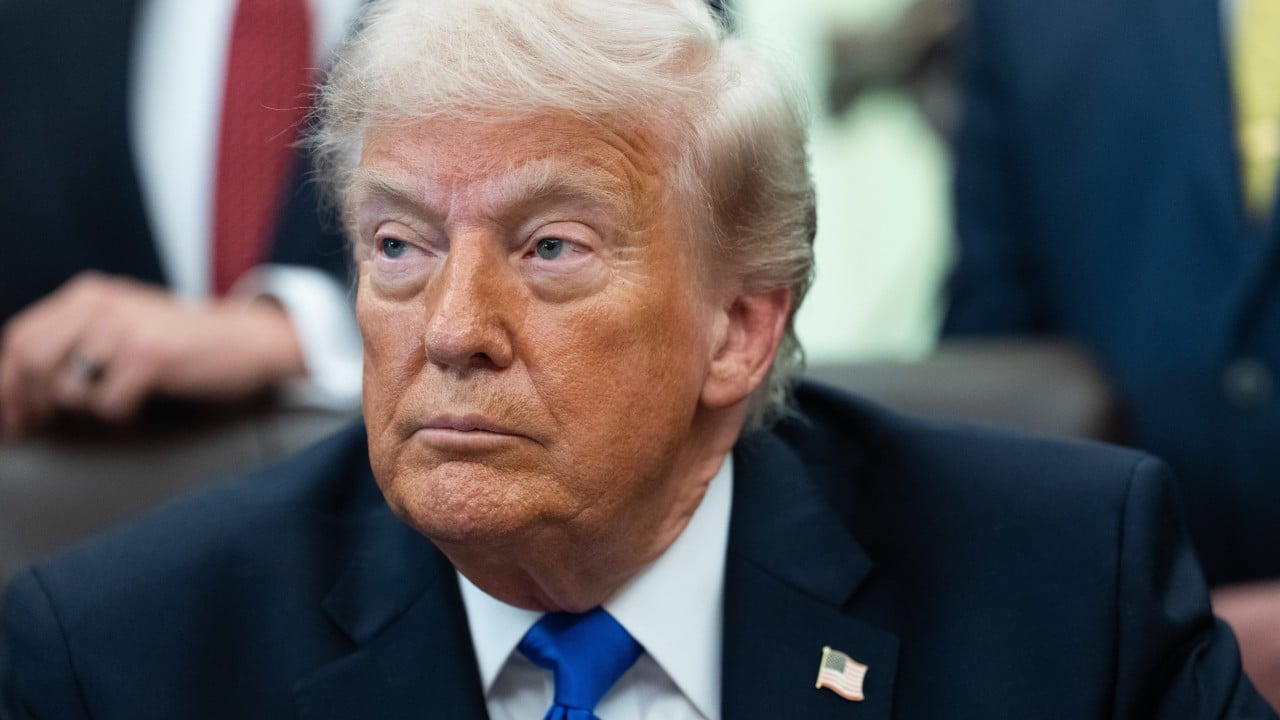
Diplomatic initiatives in the US-Iran war have yielded little progress, with talks stalled despite indications of Iranian interest in negotiations.[2] US President Donald Trump addressed reporters at the White House on Thursday, stating that Iran is “dying to make a deal.”[2] This comment came amid questions about the status of discussions with Tehran, to which Trump responded that only a few people know the true state of the talks.[2] He further alluded to complications, noting uncertainty over the Iranian leadership with the remark, “We have a problem...”[2]
These statements from Trump encapsulate the current diplomatic landscape, where public rhetoric contrasts with behind-the-scenes realities.[2] The president's assertion that Iran is eager for a deal suggests an awareness of Tehran's vulnerabilities, yet the stalled nature of formal talks indicates significant hurdles.[2] Overnight developments reinforce this, as efforts to resume negotiations have not advanced, leaving the diplomatic track dormant.[2] Trump's selective disclosure about the talks' status adds a layer of opacity, potentially as a tactical measure to maintain leverage in the war Iran context.[2]
Analysis of these remarks points to a strategy of measured engagement, where the US leverages its position without committing to immediate concessions.[2] The mention of Iranian leadership issues hints at internal dynamics in Tehran that could be complicating outreach.[2] Despite Iran's apparent eagerness, as echoed by Trump, the lack of momentum in talks underscores deep-seated mistrust and competing red lines.[2] This diplomatic impasse occurs against the backdrop of ongoing military actions, where verbal overtures have not translated into de-escalatory steps.[2]

UN chief highlights that Iran war costs could aid over 87 million people. — Source: thenewarab
Economic and Military Costs
The US is facing escalating economic burdens from the war Iran, with war costs soaring and billions of dollars expended.[2][5] Reports detail "gigantyczne koszty wojny z Iranem," translating to huge costs of the war with Iran, as the United States pours miliardy dolarów—billions of dollars—into the effort.[5] These expenditures encompass a wide range of operational needs, from munitions and logistics to personnel support, all contributing to a rapidly mounting financial toll.[2]
Military losses compound these economic strains, with the US having lost aerial equipment worth up to $2.8 billion, according to a US-based think tank.[4] This destruction of high-value assets represents a significant depletion of capabilities, directly impacting the US's warfighting posture.[4] The figure of $2.8 billion underscores the material cost of engagements in the war Iran, where advanced equipment has been vulnerable to Iranian defenses.[4]
Overnight updates highlight how these costs are intensifying, with no relief in sight as the conflict enters its third month.[2] The combination of soaring spending and equipment losses illustrates the multifaceted financial drain on US resources.[2][4][5] Economically, the billions spent translate into opportunity costs, diverting funds from domestic priorities.[5] Militarily, the $2.8 billion in losses necessitates replacements and repairs, further inflating budgets.[4] This dual burden is a recurring theme in assessments of the war's sustainability.[2]
Humanitarian Implications
The humanitarian ramifications of the US-Iran war extend far beyond the immediate theater, as articulated by UN aid chief Tom Fletcher.[3] He has stated that the cost of the Iran war equals aid for more than 87 million people, emphasizing how war spending dwarfs humanitarian needs.[3] This stark comparison reveals the scale of resource diversion, where funds allocated to military objectives could address global hunger crises.[3]
Fletcher's warning is particularly poignant: millions risk hunger without urgent funding, a situation exacerbated by the prioritization of war Iran expenditures.[3] The UN official's comments frame the conflict's costs not just in dollars, but in human terms, highlighting the opportunity lost for vulnerable populations worldwide.[3] As war spending continues to escalate, the gap between military outlays and aid shortfalls widens, threatening lives in regions already strained by poverty and instability.[3]
This perspective on humanitarian implications serves as a call to recalibrate priorities, though the ongoing conflict shows no signs of abating.[3] The equivalence to aid for 87 million people quantifies the trade-off, making the abstract costs tangible.[3] Fletcher's remarks draw direct linkages between the war Iran and global aid deficits, urging attention to the broader consequences.[3]

Destroyed US military equipment from the Iran war. — Source: aljazeera
Key Takeaways from Recent Events
Overnight events in the US-Iran war provide critical insights into its trajectory, with several major points emerging.[2] Chief among them is Iran's eagerness to negotiate, contrasted by stalled talks as the conflict marks its third month.[2] US President Trump's statements—that Iran is “dying to make a deal” and that talk statuses are known to few—stand out as pivotal.[2]
Another key takeaway is the soaring US war costs, reinforcing the economic pressures amid ongoing operations.[2] Uncertainty over Iranian leadership adds complexity, potentially stalling diplomatic progress.[2] These developments from Thursday's White House remarks encapsulate the war Iran's current challenges: military persistence, diplomatic gridlock, and fiscal strain.[2]
The lack of advancement in talks despite Iranian interest signals entrenched positions.[2] Overnight summaries stress that no end is in sight, aligning with the approaching pivotal deadline.[1][2]
Broader Impacts and Ongoing Challenges in the War Iran
The war Iran presents ongoing challenges that ripple across multiple domains, drawing from reported developments.[1][2] Stalled negotiations persist as a core issue, with Trump's opaque comments reflecting strategic caution.[2] Economic outlays in billions continue to rise, mirroring the unsustainable pace of spending.[2][5] Military equipment losses at $2.8 billion highlight vulnerabilities in aerial operations.[4]
These elements combine to form a picture of prolonged engagement, where the third-month milestone underscores endurance over resolution.[2] Humanitarian diversions, as noted by the UN, amplify the stakes globally.[3] Challenges include leadership uncertainties in Iran and the weight of costs, all feeding into the pivotal deadline's tension.[1][2]
What to watch next: Eyes will be on the pivotal deadline's arrival and any shifts in talk statuses, alongside continued monitoring of US war costs and potential Iranian leadership developments.[1][2]