
War in Ukraine: Putin States Conflict is Approaching Its End
Russian President Vladimir Putin stated that the Russia-Ukraine war is coming to an end.[1][2] This declaration came amid Russia's annual Victory Day parade in Moscow, which was notably scaled back, featuring no tanks or missile systems for the first time in nearly two decades.[1] Putin used the event to defend Russia's military campaign and criticize Western support for Ukraine, while recent reports highlight growing worries over the war in Ukraine and substantial Russian losses, including 840 soldiers and 75 artillery systems in the past day, pushing total losses beyond 1,341,110.[3][5]
Key Developments in the War Ukraine
The ongoing war in Ukraine has seen several notable developments recently, as reflected in official statements and event scales. Russia held its smallest Victory Day parade in years, a significant departure marked by the absence of heavy military hardware like tanks or missile systems on Red Square, the first such omission in nearly two decades.[1] This scaled-back event underscores shifting priorities or concerns related to the conflict.[3] Putin, speaking after the parade, defended Russia's military actions while lambasting Western backing for Kyiv.[1] Meanwhile, Russian independent media have released a new estimate of losses in the war in Ukraine, adding to the tally of reported casualties.[4] Daily updates indicate Russia suffered 840 soldiers killed or wounded and lost 75 artillery systems in the past day alone, with cumulative losses now exceeding 1,341,110.[5] These elements paint a picture of a conflict where public displays of military might are tempered, and loss figures continue to mount.
Putin's Recent Statements
Russian President Vladimir Putin made headlines with his assertion that the Russia-Ukraine war is "coming to an end," a comment delivered on Saturday following the Victory Day parade in Moscow.[1][2] This statement represents a notable claim about the progression of the conflict, suggesting to observers a potential shift in the trajectory of Russia's military campaign.[1] During the parade itself, Putin took the opportunity to robustly defend the ongoing operations, framing them as necessary responses to external pressures.[1] He simultaneously directed sharp criticism at Western nations for their support of Ukraine, accusing them of prolonging the war through aid to Kyiv.[1] These remarks align with the official narrative presented at the event, emphasizing resilience in the face of international opposition.[2] The timing of Putin's optimistic outlook—hours after a parade that lacked traditional displays of armored might—adds layers to the interpretation of his words, as they come against a backdrop of scaled-back celebrations.[1] Analysts note that such statements from Putin serve to bolster domestic morale while signaling to the international community a perceived nearing resolution, though the exact basis for the "coming to an end" assessment remains tied to his public rhetoric.[2] The Helsinki Times reported these details directly from the event, capturing the essence of Putin's dual message of defense and impending conclusion.[1] Similarly, coverage from GDELT underscores the linkage between the parade and the claim, published on May 10, 2026, highlighting the immediacy of the narrative.[2] Putin's comments thus form a cornerstone of recent discourse on the war's status, repeatedly echoed in summaries of his official remarks.[1][2]
Details of the Victory Day Parade
The Victory Day parade in Moscow, commemorating the Soviet victory in World War II, was markedly reduced in scale this year, described as Russia's smallest in years.[1][3] For the first time in nearly two decades, no tanks or missile systems were displayed on Red Square, a traditional showcase of military prowess that has historically featured heavy armor and strategic weaponry.[1] This omission occurred amid the ongoing Russia-Ukraine war, with the event serving as a platform for Putin to address the conflict directly.[1][2] The parade's diminished scope—lacking the usual procession of ground forces' equipment—has been interpreted as reflective of broader concerns, including resource allocation to the front lines or caution in public displays during wartime.[3] GDELT reporting from May 9, 2026, explicitly ties the scaled-back nature to growing worries over the war in Ukraine, suggesting internal pressures influencing the event's format.[3] Putin utilized the occasion to defend Russia's military campaign, portraying it as a justified endeavor, while condemning Western support for Ukraine as interference.[1] The Helsinki Times detailed how these speeches followed the parade, linking the leader's words to the unusual austerity of the celebration.[1] GDELT's coverage on May 10 further connects Putin's end-of-war claim to the post-parade context, reinforcing the parade's role as a symbolic barometer of the conflict's toll.[2] Historically, Victory Day has been a moment for Russia to project strength, but this year's event, stripped of its mechanical spectacle, deviates sharply, prompting questions about sustainability and public sentiment.[1][3] The absence of missile systems and tanks, staples since the early 2000s, marks a historic low, aligning with reports of equipment strains elsewhere.[1]
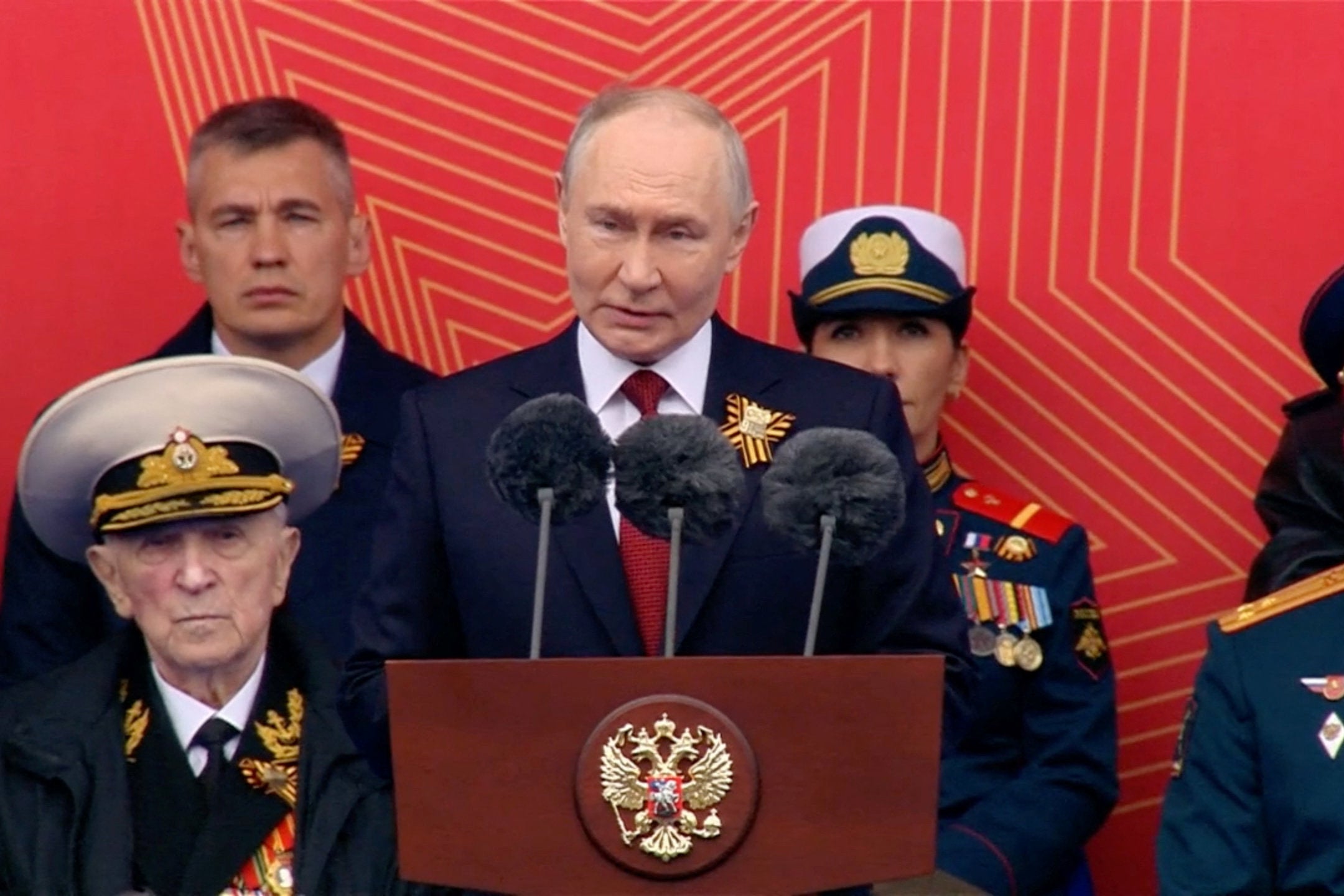
Russian President Vladimir Putin at Moscow's scaled-back Victory Day parade. — Source: gdelt
Updates on Russian Military Losses
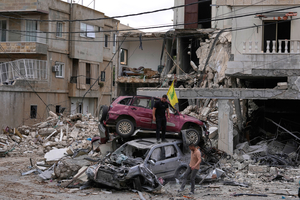
Recent figures on Russian military losses in the war against Ukraine reveal a steady accumulation of casualties and equipment destruction. Over the past day, Russia reported losses of 840 soldiers—encompassing killed and wounded—and 75 artillery systems, contributing to a total exceeding 1,341,110 personnel losses since the conflict's escalation.[5] These daily updates, provided by Ukrainska Pravda, offer a granular view of the toll, with artillery systems representing a critical category of matériel depleted in intense fighting.[5] Complementing official tallies, Russian independent media have published a new estimate of overall losses, potentially providing an alternative perspective on the scale of sacrifices.[4] The Kyiv Independent highlighted this development, noting the independent outlets' role in disseminating figures amid restricted domestic reporting.[4] Such estimates gain significance when juxtaposed with daily reports like the 840 soldiers and 75 artillery pieces, illustrating both incremental and cumulative impacts.[5] The surpassing of 1.34 million total losses underscores the protracted nature of engagements, where artillery—vital for modern warfare—continues to be a focal point of attrition.[5] Independent media's involvement suggests efforts to document the war's human and material cost beyond state channels, though specifics of their new estimate remain tied to their publication.[4] These updates, grounded in May 2026 reporting, provide stakeholders with data points on Russia's wartime expenditures, essential for assessing operational tempo.[4][5]
Context of Growing Concerns
The scaled-back Victory Day parade serves as a visible indicator of growing worries over the war in Ukraine within Russia.[3] GDELT's coverage from May 9, 2026, directly attributes the event's reduced scale to these mounting concerns, framing the absence of traditional military displays as symptomatic of deeper strains.[3] This context extends beyond the parade, encompassing the broader implications of sustained conflict, including resource management and public perception.[1][3] The decision to forgo tanks and missile systems for the first time in nearly two decades amplifies these worries, signaling possible reallocations to active fronts or hesitance in showcasing hardware amid losses.[1][3] Putin's post-parade statements, while assertive, occur against this tempered backdrop, potentially highlighting tensions between rhetoric and reality.[1] The event's austerity, as Russia's smallest in years, reflects a nation grappling with the war's demands, where commemorative pomp yields to practical considerations.[3] Such developments invite scrutiny of how internal apprehensions influence ceremonial traditions, with the war in Ukraine positioned as the central factor.[3]

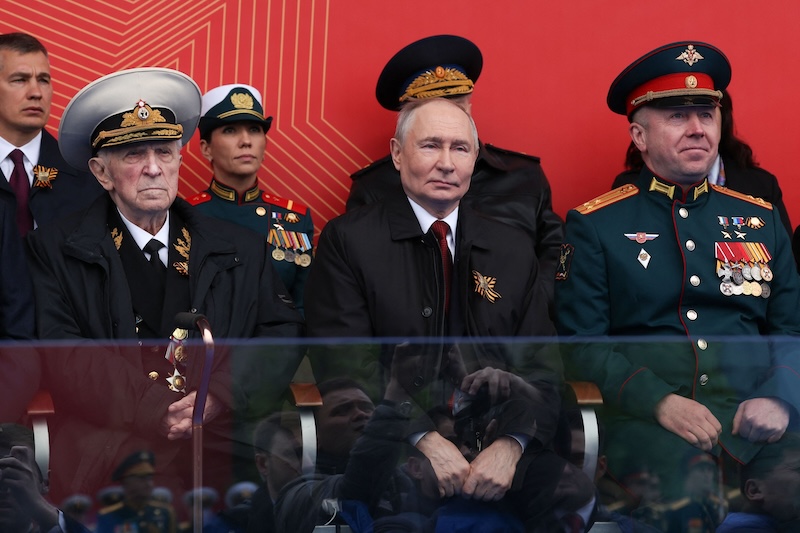
Russia's scaled-back Victory Day parade in Moscow lacks tanks and missile systems. — Source: gdelt
Overview of the Current Situation
Synthesizing recent events, the Russia-Ukraine war presents a multifaceted picture drawn from official statements, parade details, and loss reports.[1][2][3][4][5] Putin's claim that the conflict is "coming to an end" stands in contrast to the scaled-back Victory Day parade—no tanks or missiles for nearly two decades—and daily losses of 840 soldiers plus 75 artillery systems, totaling over 1,341,110.[1][5] Independent media's new loss estimates add nuance to these figures.[4] Worries over the war, evident in the parade's minimalism, underscore evolving dynamics.[3] GDELT and Helsinki Times reports from early May 2026 capture this interplay, with Putin defending the campaign while critiquing the West.[1][2][3] The parade's context amplifies these elements, portraying a military effort under scrutiny.[1][2] Collectively, sources depict a war where optimistic declarations coexist with tangible costs and subdued symbolism.[1][2][3][4][5]
Implications for the War in Ukraine
Drawing from the parade's scale and loss data, the current phase of the war in Ukraine reveals patterns of endurance and erosion.[1][3][5] The smallest Victory Day event in years, sans heavy weaponry, coincides with Putin’s endgame rhetoric, yet daily tolls like 840 personnel and 75 artillery losses persist, exceeding 1.34 million total.[5] Independent estimates further illuminate the scope.[4] This convergence suggests a conflict testing limits, with public events mirroring operational realities.[3] Coverage across sources maintains focus on these verifiable shifts, providing a grounded lens on progression.[1][2][3][4][5]
What to watch next: Monitor further statements from Putin on the war's trajectory, developments in Victory Day traditions amid ongoing conflict, and updates to Russian loss figures from both official and independent sources, as these elements continue to shape perceptions of the Russia-Ukraine war.[1][2][3][4][5]