Strikes in Lebanon claim 39 lives, Lebanese health ministry reports
Israeli strikes in Lebanon have killed dozens of people, with reports indicating at least 24 to 39 deaths in recent attacks.[1][3] These developments come amid ongoing military exchanges in the region, where the Israeli army faces challenges from Hezbollah's advanced drone operations, and broader tensions involve warnings from Iran to the United States.[1][2] Lebanon's health ministry has specifically reported 39 fatalities from intense strikes, while other accounts note at least 17 deaths in the latest actions, raising concerns over fragile ceasefires.[3][4]
Overview of Recent Strikes
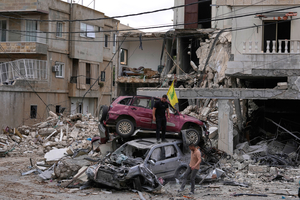
Recent Israeli strikes in Lebanon have resulted in significant casualties, with multiple reports detailing the scale of the attacks. According to accounts from the region, Israel has killed dozens in these operations, including a specific figure of 24 people noted in coverage of the strikes.[1] Lebanon's health ministry has confirmed that 39 individuals lost their lives in another day of intense Israeli strikes across the country.[3] These strikes represent a continuation of military activity that has targeted areas in Lebanon, contributing to heightened instability.
The immediate impacts of these strikes have been profound, as they have occurred in a context of persistent conflict dynamics. For instance, the latest strikes have been described as threatening ongoing truces, with at least 17 people killed in actions that underscore the volatility of the situation.[4] This overview highlights how these Israeli strike Lebanon operations have not only caused direct loss of life but also strained regional security frameworks. The strikes' intensity, as reported by Lebanese authorities, points to a pattern of escalated engagements that have drawn international attention, particularly given the involvement of key actors like Hezbollah and the broader implications for neighboring conflicts.[1][3][4]
In detailing these events, it is clear that the strikes have focused on areas where military threats persist, leading to a tally of deaths that varies slightly across reports but consistently indicates heavy tolls. The health ministry's statement on 39 deaths provides an official Lebanese perspective on the strikes' ferocity, while other sources corroborate the dozens killed, emphasizing the immediacy and severity of the impacts.[1][3] This summary of key events serves to frame the human and strategic costs, setting the stage for deeper examination of casualties, military countermeasures, and wider regional ripples.
Casualty Figures and Reports
Lebanon's health ministry has reported that 39 people were killed in Israeli strikes, marking another day of intense military actions in the country.[3] This figure stands as a primary official count from Lebanese authorities, reflecting the toll from recent escalations. Separately, reports indicate at least 17 people were killed in the latest strikes, with these incidents drawing attention for their potential to disrupt ceasefires.[4]
These casualty numbers provide critical factual context for understanding the strikes' human cost. The health ministry's confirmation of 39 deaths underscores the scale of the operations, describing them as part of a sustained wave of intense strikes.[3] Meanwhile, the figure of at least 17 fatalities in more recent actions highlights ongoing risks, as these strikes have been linked directly to threats against existing agreements between Israel and Hezbollah.[4] Additional reporting notes that Israel has killed dozens in Lebanon, with a specific mention of 24 people, aligning with the range of 24 to 39 deaths circulating in coverage.[1]
Discrepancies in exact counts—such as 17, 24, or 39—may stem from the timing of reports and the scope of areas affected, but all point to substantial losses. Lebanon's health ministry serves as a key source for the higher figure, emphasizing the official stance on the strikes' lethality.[3] These details not only quantify the impacts but also illustrate the challenges in real-time reporting during active conflict zones, where updates from Lebanese officials and international observers converge on the theme of dozens killed.[1][4] The consistency across sources in highlighting elevated death tolls reinforces the gravity of these Israeli strike Lebanon events.
Hezbollah's Drone Operations
The Israeli army is grappling with Hezbollah's fiber-optic drones, which have been actively hitting troops and vehicles in southern Lebanon.[2] A report indicates that the military is deploying new targeting systems in response to these challenges, as Hezbollah's drones continue to pose significant threats.[2]
Hezbollah's use of these advanced fiber-optic drones represents a notable military challenge for Israeli forces operating in southern Lebanon. The drones have been striking troops and vehicles, complicating defensive efforts and prompting the introduction of specialized targeting systems.[2] This development highlights the evolving nature of the conflict, where Hezbollah's technology allows for persistent engagements against Israeli positions.
Israel's reported struggles underscore the effectiveness of these drones in the theater of southern Lebanon, where hits on personnel and equipment have necessitated adaptive measures. The deployment of new systems aims to counter this capability, but the ongoing nature of the drone operations suggests that Hezbollah maintains an edge in certain tactical scenarios.[2] This section details how such drone activities intersect with broader Israeli strike Lebanon efforts, creating a multifaceted battlefield dynamic that tests conventional countermeasures and requires innovative responses from the Israeli military.
Regional Tensions Involving Iran and US
A US-Iran ceasefire is holding, but Iran has issued warnings to the United States against attacks on tankers.[1] Tehran has specifically cautioned Washington over potential strikes on tankers, even as the ceasefire between the two nations remains intact.[1]
These tensions provide broader context to the Lebanon strikes, illustrating interconnected regional dynamics. Iran's warnings come at a time when the US-Iran ceasefire is stable, yet the rhetoric signals underlying frictions, particularly regarding maritime targets like tankers.[1] This stance from Tehran positions Iran as a vocal player amid escalating actions in Lebanon, where Israeli operations have killed dozens.[1]
The persistence of the US-Iran ceasefire offers a counterpoint to the volatility in Lebanon, but Iran's alerts to the US highlight risks of wider escalation. Coverage links these warnings directly to ongoing events, including Israel's strikes that have resulted in 24 deaths in Lebanon, suggesting a web of influences where Iranian statements could influence proxy conflicts.[1] This regional layer adds depth to the immediate military exchanges, showing how superpower and regional power interactions frame local battles.
Impact on Ceasefire Agreements
The latest Israeli strikes, which killed at least 17 people, are threatening a fragile ceasefire between Israel and Hezbollah that has been in effect for three weeks.[4] This ceasefire faces strain from the ongoing military actions, with reports indicating potential breakdowns amid the strikes' intensity.[4]
These developments have direct implications for existing truces, as the strikes coincide with a period of tentative calm between Israel and Hezbollah. The three-week-old ceasefire is described as fragile, and the deaths from recent strikes amplify risks to its sustainability.[4] Broader context includes the holding US-Iran ceasefire, which provides some stability but does not mitigate local pressures in Lebanon.[1]
The interplay between strikes and ceasefires reveals vulnerabilities in conflict de-escalation efforts. With at least 17 killed in actions that challenge the Israel-Hezbollah truce, the agreements appear precarious.[4] This examination shows how Israeli strike Lebanon operations intersect with diplomatic pauses, potentially unraveling progress made over recent weeks while Iran's regional warnings add external pressures.[1][4]
What to watch next: Monitor the status of the Israel-Hezbollah ceasefire, now three weeks old and under threat from recent strikes killing at least 17, alongside Iran's warnings to the US on tanker attacks as the US-Iran truce holds, and Israel's deployment of new systems against Hezbollah's fiber-optic drones continuing to target troops in southern Lebanon.[1][2][4]