39 Killed in Strikes Across Lebanon, Health Ministry States
Israeli strikes in Lebanon have killed at least 39 people, as reported by Lebanon's health ministry.[3] These developments come amid ongoing military tensions in the region, where a recent strike Lebanon operation has intensified conflicts with Hezbollah and raised concerns over fragile ceasefires. The latest reports highlight a challenging security environment, with varying casualty figures emerging from different sources and persistent threats from Hezbollah's advanced drone capabilities.[1][3]
Overview of the Strikes
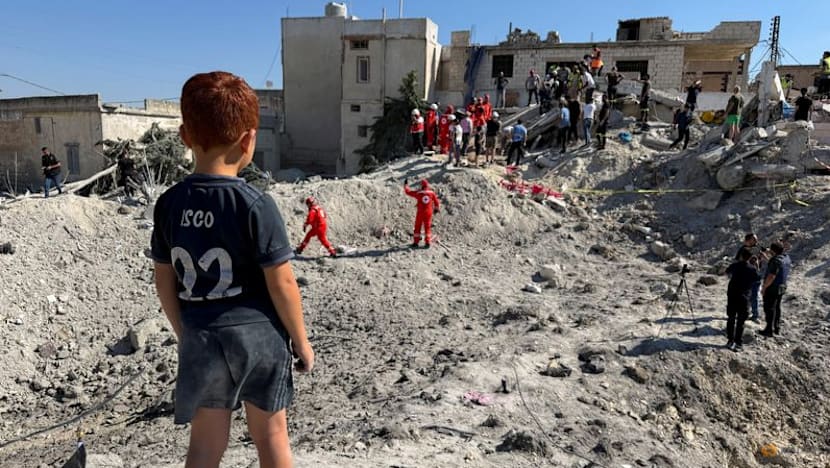
The recent Israeli strikes in Lebanon represent a significant escalation in the ongoing conflict, with Lebanon's health ministry confirming that 39 people have been killed in what it described as another day of intense Israeli strikes in Lebanon.[3] This figure underscores the severity of the military actions, which have targeted areas across the country and resulted in substantial loss of life. Earlier assessments from other reports pointed to at least 17 fatalities from these strikes, indicating a pattern of mounting casualties as the situation unfolds.[4]
In parallel, reports from Al Jazeera noted that Israel has killed dozens in Lebanon, with a specific mention of 24 people in connection to these operations.[1] This overview reveals a strike Lebanon context marked by rapid developments, where initial counts have been revised upward by official Lebanese sources. The strikes' intensity, as characterized by the health ministry, suggests a sustained military effort that has permeated multiple locations, contributing to a heightened state of alert in the region.[3] The convergence of these reports from sources like SBS Australia and MyJoyOnline paints a picture of coordinated actions that have drawn international attention due to their human cost and potential to destabilize local stability.[4][3]
Furthermore, the strikes' broad impact is evident in their timing and scope, occurring against a backdrop of fragile truces that have barely held. Lebanon's health ministry's update serves as the most recent and authoritative tally, reflecting real-time assessments from the ground amid the chaos of these operations.[3] This summary of events emphasizes how the strikes have not only inflicted direct casualties but also amplified broader regional anxieties, with each report building on the previous to illustrate the escalating toll.[1][4]
Hezbollah's Military Actions
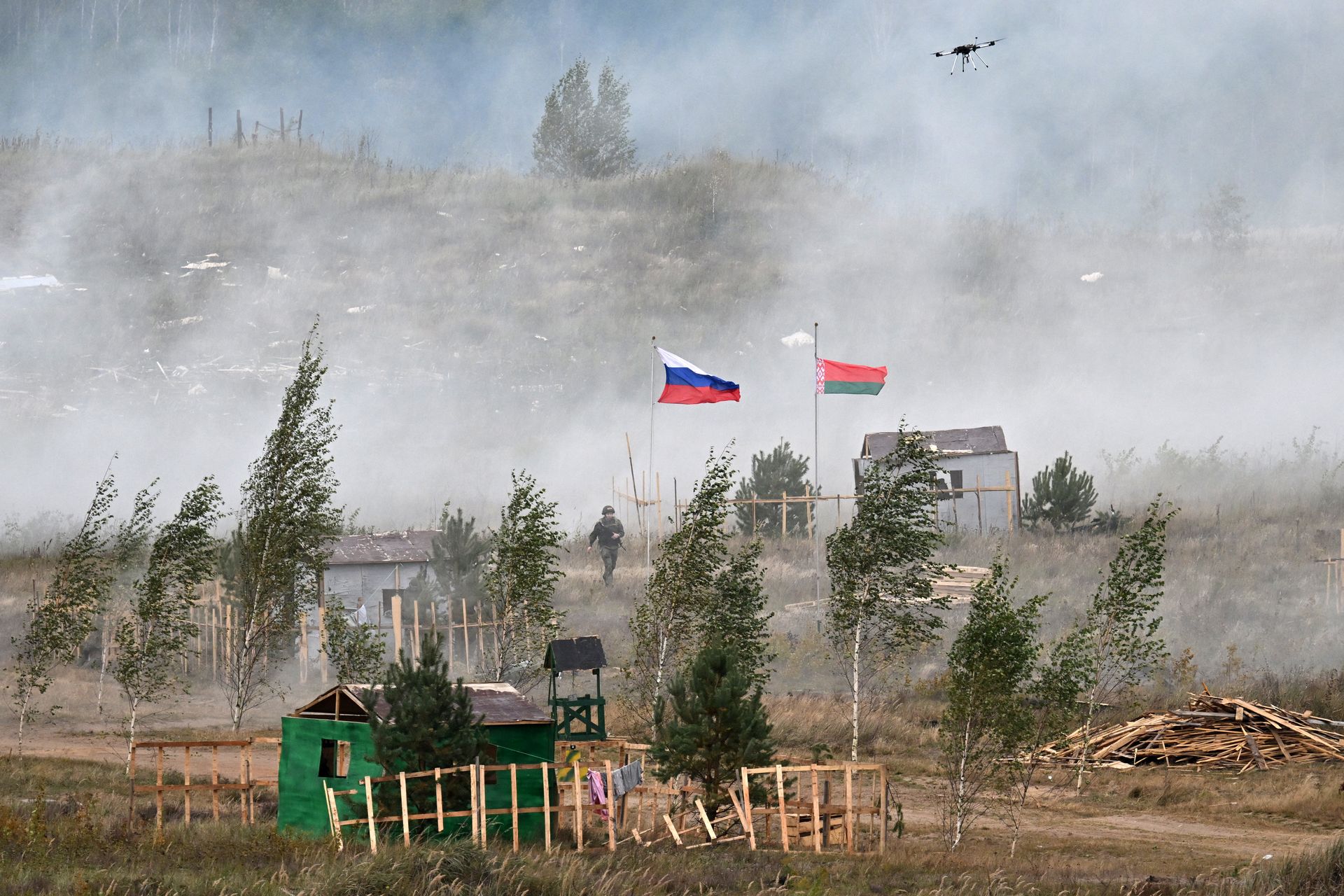
Hezbollah's deployment of fiber-optic drones has posed a formidable challenge to the Israeli army, particularly in southern Lebanon, where these unmanned aerial vehicles have been repeatedly hitting troops and vehicles.[2] According to a report from Anadolu Agency, the Israeli military is struggling to counter these advanced drones, which utilize fiber-optic technology for enhanced control and resistance to jamming.[2] This capability has allowed Hezbollah to maintain offensive pressure, striking military targets with precision and continuity.
In response, the Israeli army has reportedly deployed new targeting systems aimed at neutralizing this threat, yet the drones continue to operate effectively, underscoring the technological edge Hezbollah holds in this domain.[2] The persistent success of these attacks highlights a tactical shift in Hezbollah's arsenal, where fiber-optic drones offer longer range and stealthier operations compared to traditional radio-controlled variants. This development has forced the Israeli forces into a reactive posture, as the drones evade conventional defenses and inflict damage on personnel and equipment in southern Lebanon.[2]
The report details how these incidents have become a recurring issue, with Hezbollah's drones not only surviving countermeasures but also adapting to them, thereby complicating Israeli operations in the area. This struggle represents a critical vulnerability, as the inability to fully counter these drones could prolong engagements and increase risks to ground forces. Anadolu's coverage emphasizes the military's efforts to innovate with new systems, but the ongoing hits suggest that Hezbollah's fiber-optic drones remain a potent weapon in the southern Lebanon theater.[2]
Regional Context with Iran and US
The broader regional dynamics involve a holding US-Iran ceasefire, even as Tehran has issued a stern warning to Washington against any attacks on tankers.[1] Al Jazeera's reporting frames this as a delicate balance, where the ceasefire persists despite these tensions, coinciding with Israel's actions in Lebanon that have killed dozens, including a noted 24 people.[1] Iran's caution to the US underscores concerns over potential escalations in maritime domains, particularly targeting oil tankers, which could ripple into wider conflicts.
This context positions the strike Lebanon events within a multifaceted geopolitical landscape, where Iran's warnings serve as a deterrent amid the US-Iran truce.[1] The ceasefire's stability is tested by these pronouncements, as Tehran signals its readiness to respond to perceived aggressions while the truce formally holds. Simultaneously, the Lebanese strikes add another layer, with Israel's reported killings drawing indirect parallels to the Iran-US dynamic through shared regional flashpoints.[1]
Al Jazeera highlights how these elements interconnect: the US-Iran ceasefire provides a temporary reprieve, yet Iran's tanker warnings indicate underlying frictions that could undermine it. This interplay suggests that external powers' restraint is crucial, as provocations like tanker attacks might entangle the US further in Middle Eastern conflicts already strained by Israel's Lebanon operations.[1]
Effects on Ceasefire Agreements
The latest Israeli strikes are threatening a fragile ceasefire between Israel and Hezbollah, which has been in effect for three weeks.[4] SBS Australia's report details how these actions risk unraveling the truce, as the strikes—resulting in at least 17 deaths—directly challenge the agreement's viability.[4] The ceasefire, though recent, was meant to de-escalate hostilities, but the ongoing military operations indicate its precarious nature.
This threat manifests in the strikes' timing, coming just weeks after the truce took hold, and their lethality, which has already claimed lives and eroded trust between the parties.[4] The fragile state of the agreement is exacerbated by the intensity of the strikes, positioning them as a direct test of both sides' commitment. As Lebanon reports these impacts, the ceasefire's three-week duration appears increasingly tenuous, with each strike potentially inviting retaliatory measures from Hezbollah.[4]
The report implies that without swift de-escalation, the truce could collapse, reigniting full-scale confrontations. This effect on ceasefire agreements highlights the strikes' role not just as isolated incidents but as pivotal moments that could redefine the conflict's trajectory.[4]
Casualty Reports and Updates
Casualty figures from the Israeli strikes in Lebanon have varied across reports, providing a consolidated view of the evolving toll. Lebanon's health ministry has stated that 39 people were killed in another day of intense strikes, marking the highest confirmed count.[3] This update contrasts with earlier figures, such as Al Jazeera's report of Israel killing 24 people in Lebanon and dozens overall.[1]
MyJoyOnline's coverage from the health ministry offers the most comprehensive recent assessment, emphasizing the strikes' intensity and their concentrated impact over a single day.[3] Meanwhile, SBS Australia reported at least 17 killed, reflecting an initial tally that has since been surpassed.[4] These updates illustrate a pattern where preliminary numbers rise as more information emerges, with the health ministry's 39 serving as the authoritative benchmark.[1][3]
The discrepancies—17, 24, and 39—underscore the challenges in real-time reporting amid active conflict, yet they collectively affirm a significant human cost from the strike Lebanon operations.[4][1][3] Lebanon's official stance via its health ministry provides clarity, consolidating the data into a stark total that reflects the strikes' toll.[3]
What to watch next: Monitor the status of the Israel-Hezbollah ceasefire, now in its third week and under strain from the strikes,[4] alongside the Israeli army's efforts to counter Hezbollah's fiber-optic drones in southern Lebanon[2] and any developments in the US-Iran truce amid tanker warnings.[1]