
War in Iran Enters Third Month with No Sign of Deadlock Breaking
The US-Israeli war on Iran has entered its third month with no imminent sign of a break in the deadlock between Washington and Tehran.[1] This ongoing war in Iran, now marking a significant duration, continues to draw international attention as key developments unfold, including statements from US leadership and questions surrounding domestic legal processes.[1][2]
Overview of the Ongoing Conflict
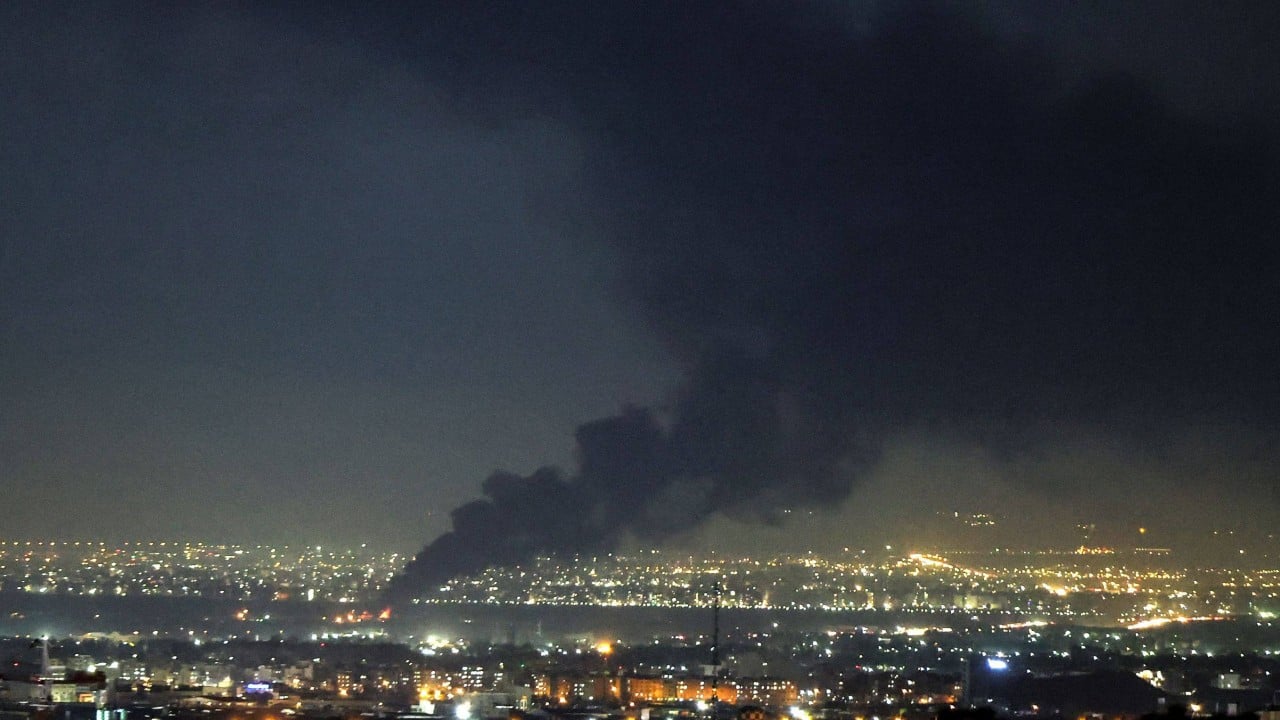
The current state of the US-Israeli war on Iran reflects a protracted engagement that has now stretched into its third month, characterized by a persistent deadlock between Washington and Tehran.[1] Reports indicate that this war in Iran has reached a point where there is no immediate indication of resolution or de-escalation, underscoring the entrenched positions held by the involved parties.[1] The conflict's timeline aligns closely with assessments marking it at 60 days, a duration that highlights its sustained intensity without apparent breakthroughs.[2]
This overview draws from recent overnight summaries that capture the broader atmosphere of the confrontation, often described in terms that evoke a sense of wartime conditions within Iran.[1] The involvement of both the United States and Israel positions this as a joint effort against Tehran, with the absence of any signs pointing toward an imminent break in hostilities emphasizing the stalemate.[1] Such a deadlock implies ongoing military, diplomatic, or strategic maneuvers that have yet to yield concessions from either side, maintaining a status quo of tension.[1] Furthermore, the 60-day mark brings into focus the chronological progression of the war in Iran, providing a concrete measure of its longevity and the challenges it poses to all stakeholders.[2]
In analyzing the state of this conflict, the lack of progress after two full months and into the third suggests a scenario where initial objectives may be meeting resistance, though specifics on battlefields or negotiations remain tied directly to the reported deadlock.[1] The US-Israeli alignment in this war on Iran continues to define its multilateral nature, with Washington's role central to the dynamics between the powers involved.[1][2] This duration also intersects with domestic US considerations, as the prolonged nature raises procedural questions under American governance structures.[2] Overall, the overview paints a picture of a conflict entrenched in its current phase, with the third-month entry signaling no relief in sight from the impasse.[1]
Trump's Recent Statements
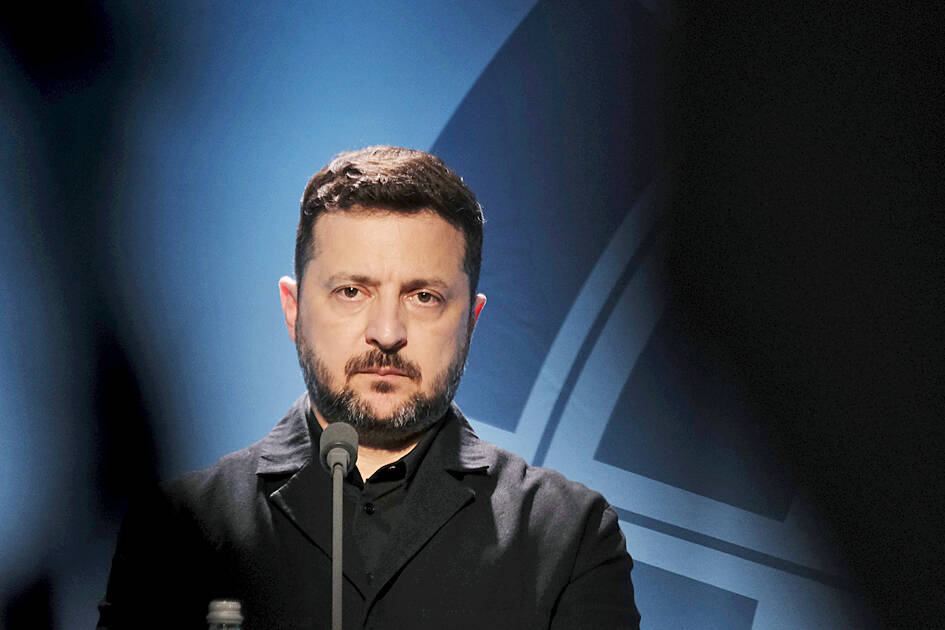
US President Donald Trump has made pointed comments regarding his administration's actions on Iran, framing them as necessary steps that prior leaders failed to take.[1] In a social media post following his welcoming of Britain’s King Charles III in Washington on Tuesday, Trump stated, “I am doing something with Iran, right now, that other Nations, or Presidents, should have done long ago.”[1] This remark came amid a broader expression of frustration, as Trump also lashed out at German Chancellor Friedrich Merz, though the Iran-specific comment underscores his view of the current approach as overdue.[1]
Trump's statement positions the ongoing efforts—linked to the US-Israeli war on Iran—as a corrective measure, implying criticism of previous US presidents and even other nations for inaction.[1] The timing of the post, immediately after a high-profile diplomatic event with King Charles III, adds a layer of context where Trump contrasts ceremonial engagements with assertive foreign policy moves.[1] By emphasizing "right now," the president highlights the immediacy and decisiveness of his administration's involvement, suggesting active and ongoing operations that align with the conflict's third-month status.[1]
Detailing these comments reveals Trump's rhetorical style, which blends personal vindication with policy justification, portraying the war in Iran as a long-awaited response.[1] The reference to "other Nations, or Presidents" broadens the critique beyond US borders, potentially signaling to allies like Germany—targeted separately in his remarks—that similar resolve was lacking historically.[1] This social media declaration serves as a public affirmation of the US commitment, reinforcing the deadlock's persistence by indicating no retreat from current actions.[1] In the neutral lens of reporting, such statements from the president provide insight into the executive branch's stance, directly tied to the overnight developments shaping perceptions of the conflict.[1]
Legal Requirements for Continuation
Under US law, President Trump requires Congressional approval to continue the war in Iran beyond its current 60-day duration, according to experts.[2] This legal threshold emerges as a critical factor after 60 days of war in Iran, prompting questions about whether lawmakers intend to weigh in on the matter.[2] The Al Jazeera analysis frames this as a pivotal issue: "After 60 days of war in Iran, does US Congress want a say?"[2]
Experts cited in the reporting affirm that statutory requirements mandate Congressional authorization for sustained military engagement, positioning this as a non-discretionary obligation for the executive branch.[2] However, there is indication that Congress might sidestep the approval process entirely, avoiding direct confrontation or decision-making on the war's prolongation.[2] This potential reluctance highlights tensions between branches of government, where the lawmakers' inaction could effectively permit continuation without formal endorsement.[2]
Explaining these requirements in depth, the 60-day marker serves as a constitutional checkpoint, rooted in frameworks designed to prevent indefinite executive-led conflicts.[2] The experts' assessment underscores that while the law demands approval, political dynamics within Congress may lead to evasion, allowing the US-Israeli war on Iran to proceed unchecked.[2] This scenario raises implications for democratic oversight, as the avoidance strategy could maintain the status quo amid the third-month deadlock.[1][2] The reporting captures this duality: a clear legal need juxtaposed against probable legislative inertia, framing the war's future trajectory as uncertain yet potentially self-sustaining.[2]
Key Takeaways from Recent Events
Recent overnight developments in the US-Israeli war on Iran yield several main takeaways, centered on the conflict's third-month entry and leadership rhetoric.[1] The South China Morning Post summary, titled “‘Wartime’ in Iran, Trump’s fury and the UAE: here’s what happened overnight,” distills these into core points.[1] Foremost is the absence of any imminent break in the Washington-Tehran deadlock, reinforcing the war's stalled progression.[1]
Trump's social media outburst forms a key highlight, where his Iran comment follows the King Charles III welcome and precedes criticism of Chancellor Merz.[1] This sequence illustrates a volatile diplomatic backdrop, with the president's words emphasizing overdue actions as a pivotal takeaway.[1] The mention of the UAE in the overnight roundup suggests peripheral involvements or reactions, though the core remains the war's duration and Trump's positioning.[1]
These takeaways from overnight events collectively affirm the war in Iran's entrenched state, with Trump's statement emerging as a defiant centerpiece amid international engagements.[1] The ‘wartime’ descriptor evokes the intensity within Iran, while the deadlock's persistence signals no swift resolution.[1] Broader fury from Trump extends the narrative, linking personal leadership style to strategic imperatives.[1]
What to watch next: Developments around Congressional response to the 60-day war in Iran threshold and any escalation in Trump's public statements on overdue actions.[2][1]