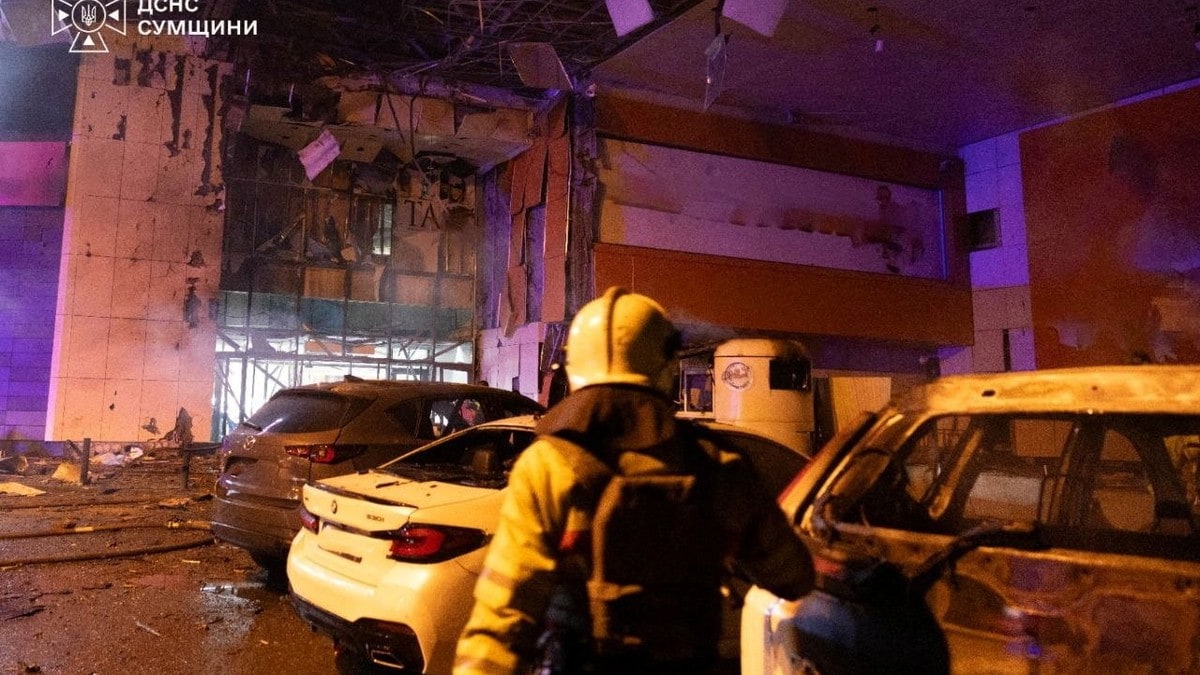
Strikes in Russia Lead to Toxic Fumes at Black Sea Oil Refinery
Strikes on a Russian oil refinery in Tuapse have caused toxic fumes in a Black Sea town, with Vladimir Putin claiming these attacks could lead to an environmental disaster and represent intensified assaults on civilian targets.[1][2][3]
Overview of the Strikes
The recent strike in Russia targeting the oil refinery in Tuapse, a southern city on the Black Sea, has drawn significant attention due to its immediate impacts on the local area. Reports indicate that attacks on the facility resulted in toxic fumes spreading through a nearby Russian Black Sea town, highlighting the direct consequences of such operations on populated regions.[1] President Vladimir Putin specifically cited a drone strike on the Tuapse oil refinery as the latest example in a series of incidents, underscoring the nature of these assaults as involving unmanned aerial vehicles aimed at energy infrastructure.[3]
These strikes represent a notable escalation in the scope of operations affecting Russian territory, with the Tuapse facility emerging as a focal point. The oil refinery, situated in a strategic location along the Black Sea coast, became the target of what Russian officials describe as a deliberate drone attack.[3] Eyewitness accounts and initial reports from the area confirm the presence of toxic fumes following the explosions or damage inflicted on the refinery, prompting concerns among residents in the surrounding Black Sea town.[1] This incident fits into a broader pattern where energy installations are hit, potentially disrupting not only industrial operations but also everyday life in coastal communities.
Details from official commentary reveal that the strike in Russia was part of ongoing hostilities, with the Tuapse refinery suffering direct impacts that led to visible and hazardous emissions.[1][3] The timing of the attack, referenced in Putin's statements on Tuesday, aligns with broadcasts on Russian television, where the event was framed as a clear assault on critical infrastructure.[3] While the full extent of damage to the refinery remains tied to these preliminary reports, the release of toxic fumes serves as a tangible indicator of the strike's severity, affecting air quality and public safety in the immediate vicinity.[1]
Environmental Consequences
Toxic fumes reported in the Russian Black Sea town following the attacks on the Tuapse oil refinery have raised alarms about potential long-term environmental hazards.[1] Kremlin leader Vladimir Putin has explicitly warned that strikes on energy facilities in Tuapse could precipitate an environmental disaster, pointing to the vulnerability of such sites to catastrophic fallout.[2] The combination of refinery operations and aerial strikes creates a scenario where chemical releases become a primary concern, as evidenced by the fumes observed post-attack.[1][2]
The nature of oil refineries, which process crude into various petroleum products, inherently involves volatile substances that, when compromised, can emit harmful vapors into the atmosphere.[2] In this case, the strike in Russia led to detectable toxic fumes blanketing the Black Sea town, a development that officials link directly to the damage sustained by the Tuapse facility.[1] Putin's claim emphasizes the risk of escalation from localized emissions to a broader ecological crisis, potentially contaminating air, water, and soil in the region.[2] Such warnings are grounded in the specifics of the Tuapse energy facilities, where any breach could unleash pollutants with far-reaching effects on the Black Sea ecosystem.
Local reports underscore the immediacy of these environmental consequences, with the fumes posing health risks to residents and necessitating monitoring of atmospheric conditions.[1] Putin's assessment frames the strikes as a trigger for disaster, suggesting that repeated or intensified attacks could overwhelm containment measures at the refinery.[2] This perspective highlights the interplay between military actions and environmental stability, where a single strike in Russia on Tuapse has already manifested in tangible airborne hazards.[1][2]
Official Statements
Vladimir Putin has made pointed remarks on the strikes, asserting that Ukraine has intensified attacks on civilian targets in Russia, with the Tuapse oil refinery serving as a prime example.[3] In comments broadcast on Russian television, Putin stated, “Drone strikes against civilian infrastructure are becoming more frequent,” directly referencing the recent drone strike on the oil refinery in the southern city of Tuapse.[3] He further claimed that strikes on Tuapse energy facilities could cause an environmental disaster, positioning these events within a narrative of escalating aggression.[2]
These official statements from the Kremlin leader provide a clear Russian viewpoint on the incident, emphasizing the civilian nature of the targeted infrastructure.[2][3] Putin's Tuesday address framed Ukraine's actions as a step-up in assaults on non-military sites across Russia, using the Tuapse strike as illustrative evidence.[3] The rhetoric underscores a perceived pattern, with energy facilities like the refinery in Tuapse bearing the brunt of what is described as increasingly routine drone operations.[3]
Putin's warnings extend beyond immediate damage to potential environmental ramifications, reinforcing the gravity of the situation through direct attribution to Ukrainian drone strikes.[2] Broadcast on national television, these comments aim to contextualize the Tuapse event as part of a broader intensification, calling attention to the frequency and implications of such attacks on Russian soil.[3]
Context of the Attacks
The strike in Russia on the Tuapse oil refinery occurs amid claims of an uptick in Ukrainian drone strikes targeting civilian infrastructure.[3] President Vladimir Putin has stated that Ukraine has stepped up these attacks, with the southern city's refinery cited as a recent instance of this trend.[3] This context positions the incident within ongoing hostilities, where civilian targets in Russia are increasingly in the crosshairs.
Putin's observations highlight a shift in the operational tempo, describing drone strikes against civilian infrastructure as becoming more frequent.[3] The Tuapse refinery, as an energy facility in a civilian area, exemplifies this development, drawing from the specifics of the aerial assault reported there.[3] Such attacks challenge the delineation between military and non-combatant objectives, as articulated in official Russian commentary.
This backdrop of intensified activity provides essential framing for understanding the Tuapse event, linking it to a series of similar operations across Russian territory.[3] The emphasis on civilian infrastructure underscores the strategic choices involved, with Putin’s statements serving to catalog these as part of a deliberate pattern.[3]
Current Situation
As of the latest reports, drone strikes against civilian infrastructure in Russia, including the Tuapse oil refinery, are described as becoming more frequent by President Vladimir Putin.[3] The recent attack on the southern city's facility stands as the most current example, with ongoing implications for regional security and environmental monitoring.[3]
Putin's Tuesday comments reflect the present dynamics, noting Ukraine's stepped-up assaults on such targets.[3] This frequency suggests a sustained tempo, with the Tuapse incident illustrating the persistent nature of these operations.[3] Russian television broadcasts have amplified these observations, keeping public focus on the evolving threat to civilian sites.[3]
What to watch next: Observers will monitor for further drone strikes on Russian civilian infrastructure, as Putin has indicated these attacks are becoming more frequent, with potential environmental risks from incidents like Tuapse remaining a key concern.[2][3]