
Volcano Philippines: Mayon Erupts with Pyroclastic Flows, Disrupting Traffic
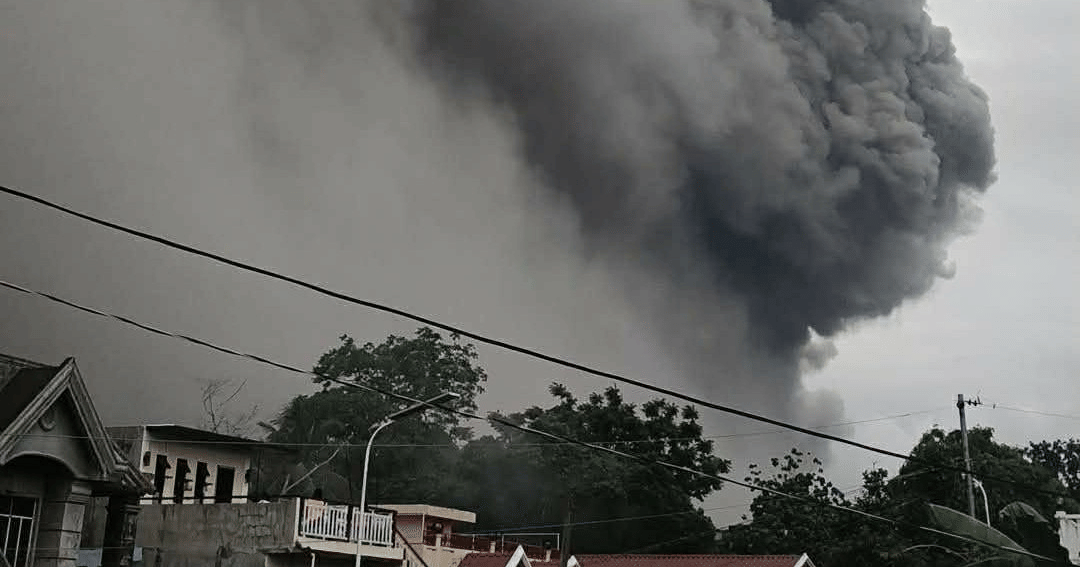
Mayon Volcano in the Philippines, a key feature in the volcano Philippines landscape, has erupted, unleashing a fast-moving pyroclastic flow and prompting evacuations and warnings from authorities.[1][2] This event has led to significant disruptions, including traffic interruptions, as the volcanic activity intensified in the region.[1]
Overview of the Eruption
The eruption of Mayon Volcano marks a critical volcanic event in the Philippines, drawing immediate attention from monitoring agencies and local authorities.[1][2] Reports confirm that the volcano unleashed a fast-moving pyroclastic flow, a development that quickly escalated the situation on the ground.[1] This activity prompted swift responses, including warnings issued by authorities to mitigate potential risks to nearby communities.[1] Additionally, the Philippine government has reported that thousands of individuals have been evacuated from areas deemed at risk due to the eruption.[2]
In the context of volcanic monitoring, such eruptions highlight the ongoing vigilance required around active sites like Mayon. The combination of pyroclastic flows and official interventions underscores the rapid progression of the event, as detailed in initial reports.[1] Authorities' prompt issuance of warnings reflects standard protocols for managing volcanic threats, ensuring that populations in proximity are informed of dangers such as fast-moving flows that can travel at high speeds down the volcano's slopes.[1] The evacuation of thousands further illustrates the scale of the response, with efforts focused on relocating residents from zones vulnerable to volcanic hazards.[2]
This overview captures the essence of the eruption as a multifaceted incident involving both geological forces and human safety measures. The disruption to normal activities, particularly traffic, indicates how the pyroclastic flow extended its reach beyond the immediate volcanic cone, affecting infrastructure and mobility in the vicinity.[1] As news of the event spread, it became clear that the authorities were prioritizing public safety amid the unfolding crisis.[1][2]
Details of the Volcanic Activity
{IMAGE_2}
The core of this volcanic episode centers on the pyroclastic flow unleashed by Mayon Volcano, described consistently as fast-moving in nature.[1] Pyroclastic flows represent one of the most hazardous aspects of volcanic eruptions, characterized by their high velocity and destructive potential as they descend rapidly, carrying superheated materials.[1] In this instance, the flow's speed allowed it to disrupt traffic, signaling its incursion into areas used for transportation and daily movement.[1]
Detailed accounts emphasize the immediacy of the threat posed by this activity. The eruption itself triggered the release of this flow, which moved with such rapidity that it interfered with road networks, compelling a halt in vehicular traffic to prevent accidents or entrapments.[1] This level of disruption points to the flow's ability to cover significant ground in a short time, a trait inherent to pyroclastic events where momentum builds as materials cascade downward.[1] Observers and reports note that such flows can overrun obstacles and alter landscapes temporarily, with the traffic stoppage serving as a direct indicator of the eruption's reach.[1]
Further examination of the volcanic activity reveals how the pyroclastic flow dominated the initial phase of the eruption. Its fast-moving quality not only amplified the danger but also necessitated immediate alerts, as authorities recognized the risk to human life and property.[1] The event's dynamics, as captured in dispatches, illustrate the unpredictable yet forceful nature of Mayon Volcano's behavior during this activation.[1] While the precise path of the flow is tied to the volcano's topography, its impact on traffic underscores a practical consequence that affected local logistics and emergency access routes.[1]
Evacuation and Safety Measures
The response to the Mayon Volcano eruption included large-scale evacuations, with the Philippines reporting that thousands of people were moved from affected areas.[2] This measure was enacted to safeguard lives in zones potentially exposed to the volcanic hazards, reflecting a coordinated effort by local and national entities.[2]
Safety protocols were activated swiftly following the onset of the eruption, prioritizing the relocation of residents living in the shadow of the volcano.[2] The evacuation of thousands demonstrates the proactive stance taken, ensuring that vulnerable populations were shifted to safer locations away from the paths of potential pyroclastic flows or other ejecta.[2] Such actions are standard in volcanic crisis management, where the sheer number of evacuees—reaching into the thousands—highlights the density of habitation around Mayon and the urgency of the situation.[2]
In-depth consideration of these safety measures reveals their role in preventing casualties. By evacuating thousands, authorities created buffer zones that reduced exposure to the fast-moving pyroclastic flow reported earlier.[1][2] Temporary shelters and support systems were likely mobilized to accommodate the displaced, though specifics align with the broad scope of the evacuation effort.[2] This phase of the response not only addressed immediate threats but also set the stage for sustained monitoring, as evacuees awaited further updates on the volcano's status.[2]
The scale of the evacuation underscores the effectiveness of preparedness in the Philippines' volcanic regions. Thousands removed from harm's way represent a testament to rapid decision-making, with safety measures extending to restrictions on access to high-risk areas.[2] These steps collectively formed a protective barrier against the eruption's volatile elements.
Official Responses and Warnings
{IMAGE_3}
Authorities in the Philippines issued warnings in direct response to the Mayon Volcano eruption, alerting the public to the dangers posed by the fast-moving pyroclastic flow.[1] These official communications were crucial in disseminating information about the risks, including traffic disruptions caused by the volcanic activity.[1]
The warnings served as the first line of official action, prompting communities to take precautionary steps amid the unfolding event.[1] By highlighting the pyroclastic flow's characteristics, authorities enabled informed responses from residents and travelers, particularly in areas where traffic had been halted.[1] This official stance emphasized the need for compliance with directives, reinforcing the gravity of the situation at Mayon.[1]
Analysis of the responses shows a structured approach: warnings were paired with evacuation orders, creating a comprehensive safety net.[1][2] Philippine officials, through these pronouncements, coordinated with monitoring bodies to track the eruption's progression, ensuring that updates reached those in affected zones.[1] The promptness of these warnings mitigated escalation, as they preceded or coincided with the movement of thousands to safety.[2]
Official responses extended beyond alerts to encompass oversight of disrupted areas, such as roads impacted by the flow.[1] This multifaceted strategy by authorities maintained order and facilitated emergency operations, with warnings continuing to guide public behavior during the crisis.[1]
Current Impacts
The eruption's most tangible effect has been the disruption to traffic, a direct result of the fast-moving pyroclastic flow from Mayon Volcano.[1] This interference has affected mobility in the region, complicating travel and logistics near the volcano.[1]
Reports detail how the pyroclastic flow encroached upon roadways, leading to closures and stoppages that rippled through local transportation networks.[1] Such impacts highlight the flow's reach, extending volcanic influence into everyday infrastructure.[1] The traffic disruptions not only posed immediate hazards but also challenged response teams navigating the area.[1]
Beyond mobility issues, the current impacts encompass broader disruptions tied to the evacuation of thousands, straining resources in safer zones.[2] The combination of these elements paints a picture of an event with multifaceted consequences, from halted vehicles to relocated populations.[1][2] As of the latest accounts, these effects persist, with authorities managing the fallout from the pyroclastic incursion.[1]
Volcano Philippines: Mayon in Regional Context
In the broader volcano Philippines setting, Mayon Volcano's eruption reaffirms the archipelago's position as a hotspot for such geological activity.[1][2] The Philippines hosts numerous active volcanoes, with Mayon standing out due to its history of eruptions, though this specific event focuses on the recent pyroclastic flow and responses.[1]
This context situates the fast-moving flow and its traffic disruptions within a landscape prone to volcanic events.[1] Authorities' warnings and the evacuation of thousands align with established protocols honed from past experiences in the region.[1][2] The event's occurrence in the Philippines underscores the need for robust monitoring systems tailored to the country's tectonic environment.[1][2]
Regional analysis reveals how such eruptions affect interconnected communities, with traffic halts exemplifying ripple effects on economy and daily life.[1] Mayon's activation serves as a reminder of the vigilance required across volcano Philippines sites, where similar threats demand preemptive measures.[1]
What to Watch Next
Authorities continue to monitor Mayon Volcano for further pyroclastic activity or escalations, with ongoing warnings and potential extensions to evacuation zones as the situation develops.[1][2] Updates on traffic restoration and the safe return of the thousands evacuated will be key indicators of recovery progress.[1][2]