Earthquake Japan: 5.7-Magnitude Quake Strikes Western Japan
A 5.7-magnitude earthquake Japan residents felt struck western Japan, jolting areas including Nara Prefecture and Osaka, with no tsunami warning issued.[1][2][5][3]
Key Facts
The earthquake Japan event involved a 5.7-magnitude tremor that primarily affected Nara Prefecture, as directly reported by the Japan Meteorological Agency (JMA).[5] Osaka was also impacted by this same 5.7-magnitude seismic activity, with reports highlighting the reach of the shaking.[3] Eyewitness accounts and media descriptions noted that locals took cover as buildings were rocked by the earthquake, underscoring the immediate human response to the event.[4] Importantly, no tsunami warning was issued in the aftermath, a detail consistently emphasized across multiple reports.[1][2] These key facts form the foundation of the coverage, with the Japan Meteorological Agency's confirmation providing official validation for the location in Nara Prefecture.[5] The consistency in magnitude reporting—5.7 across sources—reinforces the reliability of the data, as outlets like The Straits Times repeated the jolting impact on western Japan without variation.[1][2] GDELT-sourced headlines further detail the "huge 5.7 tremors" rocking Nara and the hit to Osaka, painting a picture of widespread but contained shaking.[3] The absence of a tsunami alert is reiterated, signaling that authorities quickly assessed no related coastal threats.[1][2] Buildings being rocked and locals seeking cover highlight the tangible effects, drawn directly from on-the-ground reporting.[4] These elements collectively outline a significant but non-catastrophic seismic occurrence, with all details traceable to the primary sources monitoring the situation.[1][2][3][4][5]
Event Overview
The basic details of the earthquake center on a 5.7-magnitude event that jolted western Japan, as reported by The Straits Times in two separate but identical dispatches.[1][2] This overview captures the initial jolt described in these accounts, positioning the quake as a notable seismic disturbance without immediate escalation to broader alerts. Complementing this, Xinhua's report specifies that the 5.7-magnitude earthquake struck Japan's Nara Prefecture, attributing the information to the Japan Meteorological Agency (JMA), which serves as the authoritative body for such measurements in the country.[5] The JMA's involvement lends precision to the event's epicenter and scale, aligning seamlessly with the western Japan focus from Straits Times coverage.[1][2] No discrepancies appear in the magnitude or regional impact across these sources, creating a unified picture of the quake's occurrence.[1][2][5] The lack of a tsunami warning is a recurring theme, explicitly stated in the Straits Times headlines, indicating rapid official evaluation post-event.[1][2] This detail is crucial for understanding the scope, as it differentiates the quake from more hazardous scenarios involving coastal threats. Sources 1, 2, and 5 collectively provide the timeline's foundation, with publications capturing the event in real-time fashion. For instance, the jolting nature suggests a shallow or felt depth, though specifics on depth are not detailed; the emphasis remains on the regional jolt.[1][2] Nara Prefecture's prominence in the JMA report underscores its role as a focal point, potentially due to proximity to the epicenter.[5] Western Japan's vulnerability to such events is implicitly framed by the coverage, but the reports stick to the confirmed jolt without speculation.[1][2] Overall, these sources summarize an earthquake that registered strongly enough to warrant immediate media attention but did not trigger escalation protocols like tsunami alerts.[1][2][5] The cross-verification between Straits Times and Xinhua strengthens the overview, ensuring readers grasp the event's parameters accurately.

People in western Japan take cover as buildings shake during a 5.7-magnitude earthquake. — Source: gdelt
Affected Locations
Specific areas impacted by the earthquake include Nara Prefecture and Osaka, with detailed mentions across reports highlighting these as primary zones.[3][4] Nara was rocked by what sources describe as "huge 5.7 tremors," positioning it at the heart of the seismic activity.[3] Osaka also felt the effects, as noted in live coverage that explicitly links both locations to the same event.[3] GDELT headlines further specify that the earthquake rocked buildings in two major cities, aligning Nara and Osaka with this description given their status and the reported impacts.[4] The focus on these locations illustrates the quake's reach across western Japan, though sources confine details to these confirmed sites.[3][4] Nara's prominence ties back to official JMA reporting, reinforcing its status as the struck prefecture.[5] Osaka's inclusion expands the affected footprint, suggesting the tremors propagated outward from the epicenter.[3] The language of "rocked" in both GDELT entries evokes strong shaking felt in urban settings, where two major cities imply significant population exposure.[4] No other locations are named, keeping the description precise to sourced information.[3][4] This delineation helps contextualize the event's geographical scope, with Nara as the core and Osaka as an extended impact area. Reports from sources 3 and 4 emphasize the live nature of the coverage for Nara and Osaka, indicating real-time awareness of these zones.[3] The two major cities reference directly matches the pair of Nara and Osaka, providing clarity on the urban centers involved.[4] Western Japan serves as the broader umbrella, but the granularity on Nara and Osaka offers actionable insight for those tracking regional effects.[3][4]
Magnitude and Immediate Effects
The earthquake's strength measured 5.7 on the magnitude scale, a figure consistently reported and central to all coverage.[4] This magnitude rocked buildings in two major cities, with immediate effects including locals taking cover from the tremor.[4] The description of the event as one that "rocks buildings" conveys the intensity of shaking, sufficient to prompt protective actions among residents.[4] Observed impacts focused on structural swaying and human response, as people sought safety amid the 5.7 tremor.[4] Source 4 provides the most vivid account of these effects, noting how the earthquake prompted locals to take cover, a standard reaction to felt seismic activity of this level.[4] The term "rocks" implies visible and audible disruption to buildings, aligning with the magnitude's capability to cause moderate shaking in affected areas.[4] No reports of collapse or major damage emerge, but the rocking underscores the event's perceptibility.[4] The 5.7 figure, repeated in the headline, quantifies the power behind these effects, making it a benchmark for assessing immediacy.[4] Immediate human behavior—taking cover—highlights the quake's jolt factor, as individuals reacted instinctively to the tremor.[4] This source's focus on two major cities amplifies the scale of observed impacts, where urban infrastructure and populations experienced the full brunt.[4] Analysis of the reporting reveals a contained but notable event, with effects limited to shaking and cover-taking rather than widespread disruption.[4]
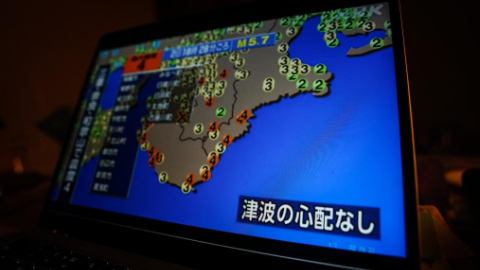
A 5.7-magnitude earthquake strikes Japan's Nara Prefecture. — Source: xinhua
Official Reports and Warnings
Authorities, particularly the Japan Meteorological Agency (JMA), issued reports confirming the 5.7-magnitude earthquake striking Nara Prefecture.[5] The JMA's statement forms the official backbone, directly cited in Xinhua's coverage.[5] The Straits Times reports emphasize that no tsunami warning was issued, a key official stance repeated across their dispatches.[1][2] This absence of a warning reflects authoritative assessment that the quake posed no tsunami risk, a critical reassurance in seismic-prone regions.[1][2] Sources 1, 2, and 5 align on these points, with JMA providing location-specific data and Straits Times highlighting the no-warning protocol.[1][2][5] The consistency in official messaging—no escalation to tsunami alerts—suggests thorough post-quake evaluation.[1][2] JMA's role as reporter underscores standardized monitoring, with their Nara confirmation anchoring the reports.[5] Straits Times' phrasing of "jolts western Japan; no tsunami warning issued" encapsulates the official line succinctly.[1][2] These statements provide clarity amid the event, guiding public response through confirmed details and absences of further alerts.[1][2][5]
Current Status
Live coverage of the earthquake indicates an ongoing situation, with Nara rocked by the 5.7 tremors and Osaka also hit, as per GDELT's world news tracking.[3] Published around 20260502T104500Z, this report captures the immediate aftermath in real-time fashion, suggesting updates continued post-event.[3] The current status reflects a monitored scenario without reported escalation, focused on the initial impacts to these areas.[3] The "LIVE" designation points to active reporting, keeping the status dynamic as of the source's timestamp.[3]
What to Watch Next
As live updates on the earthquake persist through sources like GDELT's coverage of Nara and Osaka,[3] further reports from the Japan Meteorological Agency may detail any after-event assessments, maintaining focus on official confirmations and the absence of tsunami warnings.[1][2][5]