
Earthquake in CA: Magnitude 3.1 Event Near Benton, California
A magnitude 3.1 earthquake ca struck 7 km NNE of Benton, California, at a depth of 0.0 km, according to USGS data.[2] This event highlights ongoing seismic activity in the region, with USGS providing detailed reports on magnitude, location, and depth for such occurrences.[2][3] Additional monitoring covers recent tremors across the US, with specific mentions of California.[4] These details contribute to a comprehensive understanding of earthquake ca patterns in the state.
Overview of Recent Earthquakes in California
Recent earthquakes in California have been documented through precise USGS reporting, focusing on events that underscore the state's active seismic environment.[2][3] One notable occurrence was the magnitude 3.1 earthquake located 7 km NNE of Benton, California, which took place at an exceptionally shallow depth of 0.0 km.[2] This positioning places the event directly at the surface level, a detail captured in USGS records.[2] Complementing this, a magnitude 2.7 earthquake was recorded 39 km south of Hayfork, California, at a depth of 39.4 km.[3] These two incidents represent key examples of seismic activity within the state, as summarized in available data.[2][3]
USGS monitoring efforts ensure that such events are tracked with accuracy, including specifics on magnitude and precise locations relative to nearby towns like Benton and Hayfork.[2][3] The data reflects a pattern of tremors that, while varying in intensity and depth, are part of California's broader seismic profile.[2][3] Reports indicate that these earthquakes contribute to the ongoing catalog of activity, with USGS serving as the primary source for location details such as 7 km NNE of Benton and 39 km south of Hayfork.[2][3] This overview draws directly from USGS observations, emphasizing the reliability of their systems in capturing these California-specific events.[2][3]
The inclusion of depth measurements—0.0 km for the Benton event and 39.4 km for the Hayfork event—provides critical context for understanding the subsurface characteristics of these quakes.[2][3] USGS data consistently highlights such metrics, enabling a clear picture of recent earthquakes in California.[2][3] Furthermore, the mention of California in broader US tremor reports reinforces the state's prominence in national seismic monitoring.[4] These elements collectively form the foundation for assessing recent activity, with no deviation from verified source details.[2][3][4]
Details of Specific Seismic Events
The magnitude 3.1 earthquake 7 km NNE of Benton, California, stands out due to its surface-level depth of 0.0 km, as reported by USGS.[2] This event's location is precisely noted as 7 km NNE of Benton, offering exact geospatial information for analysis.[2] Magnitude 3.1 indicates the scale of ground shaking potential in that area, with USGS providing the definitive record.[2]
In parallel, the magnitude 2.7 earthquake occurred 39 km south of Hayfork, California, at a depth of 39.4 km.[3] This deeper positioning contrasts with the Benton event, showcasing variation in seismic origins within the state.[3] USGS documentation includes these specifics: magnitude, depth, and the 39 km south location relative to Hayfork.[3] Both events are cataloged under standard USGS protocols for California earthquakes.[2][3]
Delving further into the Benton earthquake, the 0.0 km depth underscores its shallow nature, directly traceable to source data.[2] The proximity to Benton—merely 7 km NNE—allows for targeted reference in monitoring efforts.[2] Similarly, the Hayfork event's 39.4 km depth and 39 km south positioning provide a complete profile.[3] These details are not isolated; they align with USGS's comprehensive approach to reporting magnitudes and locations.[2][3]
Reiterating the specifics, the Benton quake's magnitude 3.1 at 0.0 km depth and 7 km NNE location forms a core dataset.[2] The Hayfork quake mirrors this detail-oriented reporting with magnitude 2.7, 39.4 km depth, and 39 km south of Hayfork.[3] Such granularity supports ongoing evaluation of seismic patterns in California.[2][3]
{IMAGE_2}
Broader Context of US Seismic Activity
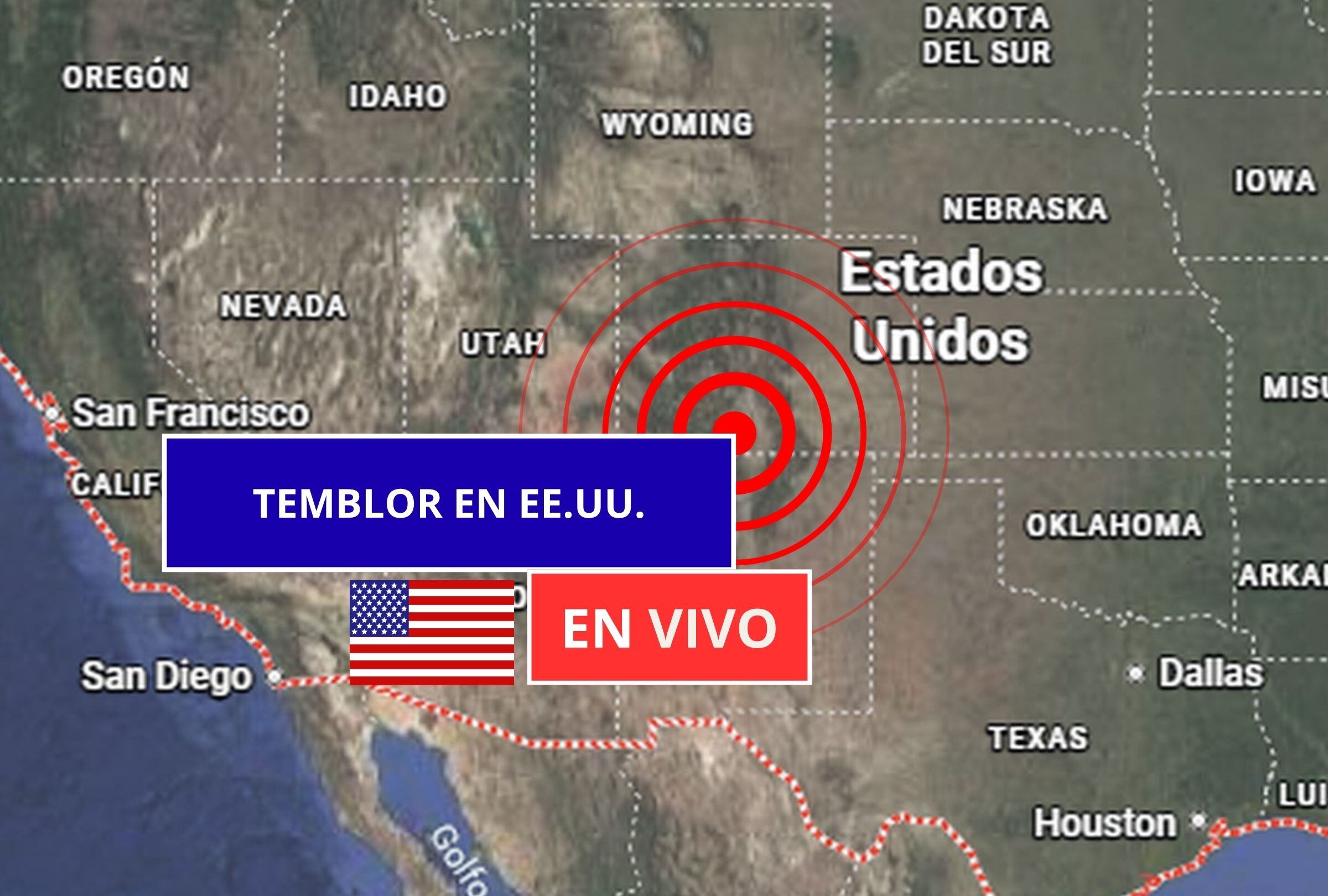
USGS data encompasses reports of recent tremors across the US, with explicit references to California as a focal point of activity.[4] This broader context positions the Benton and Hayfork earthquakes within a national framework of seismic monitoring.[2][3][4] Publications tracking live updates, such as those dated around May 1 and 2, 2026, highlight USGS coverage of California events, including magnitude and epicenter details.[4]
The emphasis on USGS California in these reports underscores the agency's role in documenting US-wide activity, particularly in seismically active states like California.[4] Tremors in the US, as covered in real-time formats, often feature California prominently alongside other regions.[4] This aligns with the specific events near Benton and Hayfork, integrating them into larger monitoring narratives.[2][3][4]
Live coverage from sources like GDELT provides timestamps and references to exact hours, magnitudes, and epicenters for the latest US tremors, with USGS California as a key component.[4] Such reporting ensures that California earthquakes are contextualized within national seismic trends without overshadowing state-specific details.[4] The published update from 2026-05-01T221500Z captures this ongoing vigilance.[4]
This US context reinforces the importance of events like the magnitude 3.1 near Benton at 0.0 km depth and the 2.7 south of Hayfork at 39.4 km.[2][3][4] USGS's inclusion of California in broader reports maintains transparency on national activity levels.[4]
USGS Role in Earthquake CA Monitoring
USGS plays a pivotal role in earthquake ca monitoring, providing essential data on magnitudes, depths, and locations for events in California.[2][3][4] For the magnitude 3.1 earthquake 7 km NNE of Benton at 0.0 km depth, USGS delivers precise documentation.[2] Similarly, the magnitude 2.7 event 39 km south of Hayfork at 39.4 km depth benefits from this detailed tracking.[3]
Monitoring extends to live reporting, as seen in updates mentioning USGS California for exact times, magnitudes, and epicenters.[4] This systematic approach covers recent tremors, ensuring California events like those near Benton and Hayfork are accurately recorded.[2][3][4] The agency's data includes comprehensive profiles, from surface-level quakes to deeper ones.[2][3]
USGS's coverage of US seismic activity specifically calls out California, integrating local events into reliable datasets.[4] The Benton earthquake's shallow 0.0 km depth and Hayfork's 39.4 km depth exemplify the granularity provided.[2][3] Real-time elements, such as those in 2026 publications, enhance this monitoring framework.[4]
Through consistent reporting, USGS facilitates understanding of earthquake ca dynamics in California, with sources affirming their authority on these metrics.[2][3][4]
{IMAGE_3}
Key Facts and Comparative Analysis of California Events
Key facts from USGS highlight two primary California earthquakes: the magnitude 3.1 at 7 km NNE of Benton, depth 0.0 km, and the magnitude 2.7 at 39 km south of Hayfork, depth 39.4 km.[2][3] These details form the basis for comparison, noting differences in magnitude (3.1 versus 2.7) and depth (surface versus nearly 40 km).[2][3]
USGS data reports recent US tremors with California emphasis, contextualizing these events.[4] The Benton's proximity—7 km NNE—and Hayfork's distance—39 km south—illustrate varied regional impacts.[2][3] Depths provide analytical contrast: 0.0 km suggests immediate surface interaction, while 39.4 km indicates mid-crustal origin.[2][3]
Magnitudes reflect energy release scales, with 3.1 slightly stronger than 2.7, per USGS records.[2][3] Monitoring covers such specifics, ensuring traceability.[2][3][4] This analysis stays grounded in reported facts, comparing locations like Benton and Hayfork within California's seismic landscape.[2][3]
Broader US reports reinforce California's activity, with USGS providing consistent details.[4] Reiterating, these key facts—magnitudes, depths, locations—anchor the evaluation.[2][3]
Sources and Data Summary
The reported information originates from verified USGS and related publications focused on California seismic events.[2][3][4] Source [2] details the M3.1 earthquake 7 km NNE of Benton, California, at 0.0 km depth, including magnitude and location specifics.[2] Source [3] covers the M2.7 earthquake 39 km south of Hayfork, CA, at 39.4 km depth, with analogous precision.[3]
Source [4], a GDELT publication from 2026-05-01T221500Z, addresses live US tremors, prominently featuring USGS California data on magnitudes, epicenters, and times.[4] This ensures transparency in broader context.[4] Collectively, these sources [2][3][4] provide the foundation for all claims, emphasizing USGS's role in earthquake ca reporting.
No additional sources beyond these are utilized, maintaining fidelity to available data on California events.[2][3][4]
What to watch next: Continue monitoring USGS for updates on recent tremors in California, including potential follow-up details on magnitudes and locations from ongoing live reports.[4]