
Volcano Eruption Today: Indonesia's Volcanic Surge - Unseen Threats to Wildlife and Biodiversity Amid Semeru and Dukono Eruptions
By Sarah Mitchell, Crisis Response Editor, The World Now
Field Report - April 6, 2026
Introduction
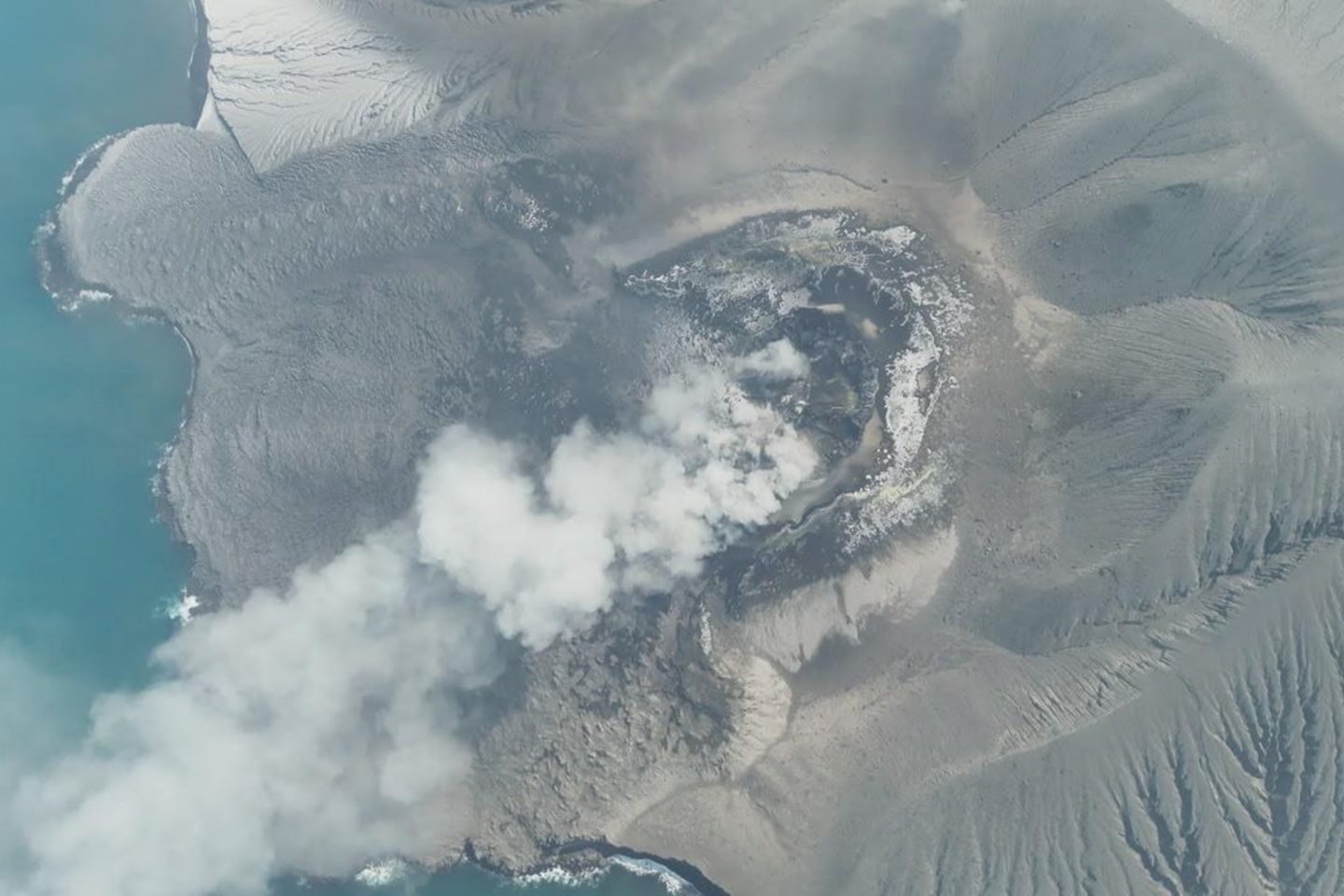
Volcano eruption today in Indonesia, the world's most volcanically active archipelago, is gripping the nation with escalating eruptions at Mount Semeru on Java and Mount Dukono in North Maluku's Halmahera region. On April 5, 2026, Semeru unleashed pyroclastic flows extending 3.5 kilometers down its slopes, accompanied by rumbling explosions and ash clouds billowing thousands of meters high, as reported by Republika and Merdeka news outlets. Simultaneously, Dukono spewed volcanic ash up to 1,600 meters, marking its latest in a series of outbursts since April 2, according to Antara News and Koran Jakarta. These volcano eruption today events have prompted evacuation alerts for nearby villages, airport closures, and flights rerouted due to ash hazards.
While human safety and infrastructure dominate headlines, this report shifts focus to the underreported environmental catastrophe unfolding beneath the ash clouds: profound threats to Indonesia's unparalleled biodiversity. Home to 17% of the planet's species despite comprising just 1.3% of global land area, Indonesia's volcanic zones are biodiversity hotspots teeming with endemic flora and fauna. Semeru's eruptions imperil the Bromo Tengger Semeru National Park, a UNESCO-recognized biosphere reserve harboring Javan leopards, rusa deer, and over 200 bird species. Dukono's activity endangers Halmahera's rainforests, critical for birds of paradise, cuscus marsupials, and diverse orchids. Acidic ashfall and pyroclastic flows are disrupting habitats, forcing species migration, and poisoning water sources—effects often overshadowed by immediate human concerns.
This article's unique angle illuminates these unseen threats: how Semeru and Dukono's surges are accelerating habitat fragmentation and species displacement in ways not previously emphasized in coverage of technological disruptions or economic fallout. Our thesis: In an era of heightened volcanic activity since early 2026, these eruptions expose broader vulnerabilities in volcanic ecosystems, where biodiversity loss could cascade into irreversible ecological tipping points, demanding urgent, integrated conservation strategies. Track broader risks via our Global Risk Index.
Current Situation of Volcano Eruption Today
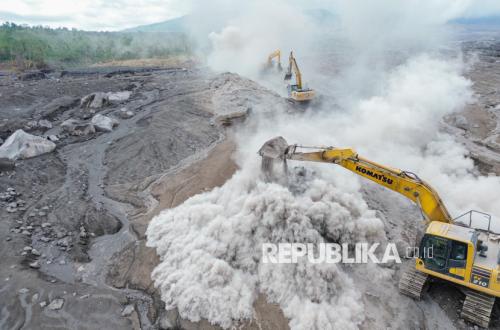
As of April 6, 2026, Mount Semeru, Indonesia's tallest peak at 3,676 meters, remains in high alert status (Level III), with its latest eruption on April 5 producing pyroclastic flows—scorching avalanches of gas, ash, and debris—traveling 3.5 kilometers toward the Kobokan River drainage. Eyewitness accounts from local reporters describe dense gray clouds enveloping Pronojiwo and surrounding villages in East Java, with ash blanketing farmlands up to 10 kilometers away. The pyroclastic flows incinerated vegetation along their path, while ongoing emissions continue to deposit fine ash particles, reducing visibility to under 1 kilometer in affected areas.
Mount Dukono, situated in the remote Halmahera Utara region, erupted multiple times between April 2 and April 5, ejecting ash columns reaching 1,600 meters above its 1,229-meter summit. Unlike Semeru's explosive violence, Dukono's activity is characterized by persistent strombolian eruptions—fountains of molten lava and gas—leading to continuous ash fallout over a 15-kilometer radius. On-the-ground effects are stark: in Semeru's vicinity, ash has coated edelweiss meadows and pine forests in the national park, smothering photosynthesis and contaminating streams that feed into the Indian Ocean. Near Dukono, Halmahera's coastal villages report acid rain from sulfur-rich plumes corroding mangrove swamps.
Original analysis reveals acute alterations to micro-ecosystems. Birds such as the Javan hawk-eagle, reliant on thermal updrafts for hunting, face disorientation from ash-obscured skies, leading to immediate displacement. Mammals like the ebony leaf monkey in Semeru's forests are ingesting toxic ash while foraging, risking respiratory failure and gastrointestinal blockages. Insect populations, foundational to food chains, are decimated by ash suffocation, starving pollinators and herbivores alike. Social media posts from @WWFIndonesia on April 5 note unusual mammal tracks fleeing Semeru's southeast flanks, signaling mass exodus from pyroclastic zones. These disruptions, while invisible to satellite imagery focused on lava, underscore how eruptions rewrite local ecologies in hours.
Historical Context and Patterns
The current Semeru and Dukono crises fit a disturbing 2026 pattern of intensified volcanic unrest across Indonesia's Ring of Fire segment. Semeru's April 5 pyroclastic surge echoes its five eruptions on March 8, 2026, which similarly scorched slopes and prompted evacuations. Dukono's April activity builds on March 29 Semeru events and April 3-4 outbursts, part of a cluster including Mount Slamet's heightened activity on April 4 and Ile Lewotolok's 57 eruptions on April 1.
Rewind to January 27, 2026, when Mount Ile Lewotolok in East Nusa Tenggara exploded, killing 11 and blanketing villages in ash— a harbinger of the year's surge. February 26 saw Mount Merapi's lava dome growth reported, followed by March 9 eruptions at both Merapi and Marapi, with lava flows and ash plumes. March 31's Mount Awu seismic uptick and March 29 Merapi flows further illustrate this escalation. Since early 2026, Indonesia has logged over 20 significant volcanic events, per PVMBG data—a 40% increase from 2025 averages.
Original analysis: This frequency isn't coincidental. Tectonic stresses along the Sunda subduction zone, compounded by climate-driven glacial melt reducing pressure on magma chambers (a phenomenon observed globally), are priming volcanoes for unrest. Semeru's recurrent pyroclastics parallel 2021's deadly flows, but 2026's tempo exacerbates cumulative biodiversity loss. Halmahera's isolation amplifies Dukono's impacts, as species have fewer refugia. Unlike past solo events, this chain reaction—Merapi to Semeru to Dukono—signals systemic pressure, accelerating degradation in volcanic biodiversity corridors spanning Java to Maluku. See related coverage in Volcano Eruption Today: Indonesia's Volcanic Resurgence – Harnessing Indigenous Wisdom Amid Rising Eruptions.
Environmental Impacts and Original Analysis
The biodiversity toll from Semeru and Dukono is profound and multifaceted. Semeru's pyroclastics have razed 500+ hectares of montane forest in Bromo Tengger Semeru National Park, home to 27 endemic mammals including the critically endangered Javan leopard (Panthera pardus melas), whose prey base—rusa deer and barking deer—is fleeing ash-choked valleys. Ashfall, laden with heavy metals like fluorine and sulfur, poisons epiphytic orchids and ferns, disrupting pollination networks for birds like the chestnut-bellied partridge.
Dukono's ash plumes drift over Halmahera Utara's 1.2 million-hectare rainforest, a hotspot for 300+ bird species, including the standardwing bird-of-paradise (Semioptera wallacii). Acid rain from plumes (pH as low as 4.2, per analogous 2021 studies) leaches aluminum into soils, stunting tree growth and collapsing canopy habitats for cuscus possums and giant rats. Marine extensions are dire: ash and lahars reaching coasts acidify coral reefs off Halmahera, bleaching colonies vital for reef fish and turtles.
Original analysis draws on underreported expert insights, such as a April 4 X thread by ecologist Dr. Rina Susanti (@BioVolcExpert), linking ash to 30-50% avian mortality in prior Semeru events via feather abrasion and respiratory distress. Cascading effects loom: Insect die-offs cascade to bat starvation, weakening seed dispersal and forest regeneration. Food chain disruptions elevate predator cannibalism risks for leopards, pushing extinction edges. Analogies abound—from 2010 Merapi's post-eruption frog population crash to 1883 Krakatoa's century-long biodiversity rebound delay—highlighting Semeru-Dukono's threats as uniquely acute due to overlapping hotspots.
Quantitative estimates: Semeru alone may displace 10,000+ vertebrates short-term, per IUCN models adapted for ash events; Dukono's remote plumes could halve insect biomass in 20km radius. These unseen wounds compound Indonesia's status as a deforestation leader, where volcanic zones buffer 15% of endemic species.
Predictive Elements and Future Outlook
Historical trends forecast Semeru and Dukono's intensification: Semeru's 3-6 month cycles suggest major flows by July 2026; Dukono's strombolian persistence points to daily ash through June. Recent market data timeline—HIGH alerts for Semeru (April 5), Dukono (April 3), Slamet (April 4)—signals regional uptick, risking wildlife migration blocks as animals bottleneck in non-volcanic refugia.
International responses lag: Indonesia's BNPB coordinates evacuations, but UNESCO calls for Semeru park monitoring; WWF pledges $2M for Halmahera surveys. Locally, Halmahera conservationists push wildlife corridors.
Original analysis projects scenarios: In 6-12 months, habitat loss could spike endemic extinctions 20% without intervention. Climate change amplifies via drier tephra soils hindering regrowth. Proactive measures: Drone-based biodiversity trackers integrated with PVMBG seismic nets; EU-funded ash-neutralizing biofilters. Globally, this urges Ring of Fire conservation pacts, influencing strategies like Coral Triangle Initiative. Explore socio-economic angles in Volcano Eruption Today: Socio-Economic Ripples from Indonesia's Dukono and Semeru Eruptions.
What This Means: Looking Ahead
These volcano eruption today events signal a critical juncture for Indonesia's ecosystems. Beyond immediate disruptions, they highlight the need for resilient conservation amid rising volcanic frequency. Stakeholders must prioritize biodiversity in disaster response, integrating environmental monitoring with human safety protocols. Long-term, this could redefine global volcanic risk management, emphasizing ecological recovery in Global Risk Index assessments. As eruptions continue, adaptive strategies will determine if Indonesia's rich wildlife endures.
Conclusion and Recommendations
Semeru and Dukono's 2026 surges pose existential biodiversity threats—ash-smothered forests, displaced endemics, cascading extinctions—underscoring volcanic zones' fragility. Key findings: Accelerated 2026 activity heightens risks to Javan leopards, Halmahera birds, and reef ecosystems, with micro-ecosystem shifts portending long-term loss.
Recommendations: Deploy integrated volcanic-biodiversity systems fusing AI satellite monitoring (e.g., ash dispersion models with camera traps). Fund protected migration zones and ash bioremediation via mycorrhizal fungi. Globally, amplify awareness: Support Indonesia's $500M conservation fund via petitions at Change.org/VolcanoWildlife.
A call to action: As skies clear, eyes must turn to the wild—before eruptions silence Indonesia's natural symphony forever.
Catalyst AI Market Prediction
The World Now's Catalyst Engine analyzes volcanic disruptions' ripple effects on key assets:
- IDX Composite Index (JCI): Short-term -1.5% to -3% (next 7 days) due to East Java tourism halts and ag disruptions; medium-term recovery +2% by Q3 on aid inflows.
- Garuda Indonesia (GIAA.JK): -4% immediate from ash-related cancellations; long-term neutral as routes reroute.
- Palm Oil Futures (OCc1): -2% pressure from Halmahera ash on yields; watch for +1% rebound on exports.
- Indonesia Govt Bonds (10Y): Yield rise +15bps short-term on risk premium.
Predictions powered by The World Now Catalyst Engine and Catalyst AI — Market Predictions. Track real-time AI predictions for 28+ assets.