
Venezuela Earthquake of Magnitude 4 Strikes La Guaira With No Immediate Damage Reported
Overview of the August 18 Earthquake
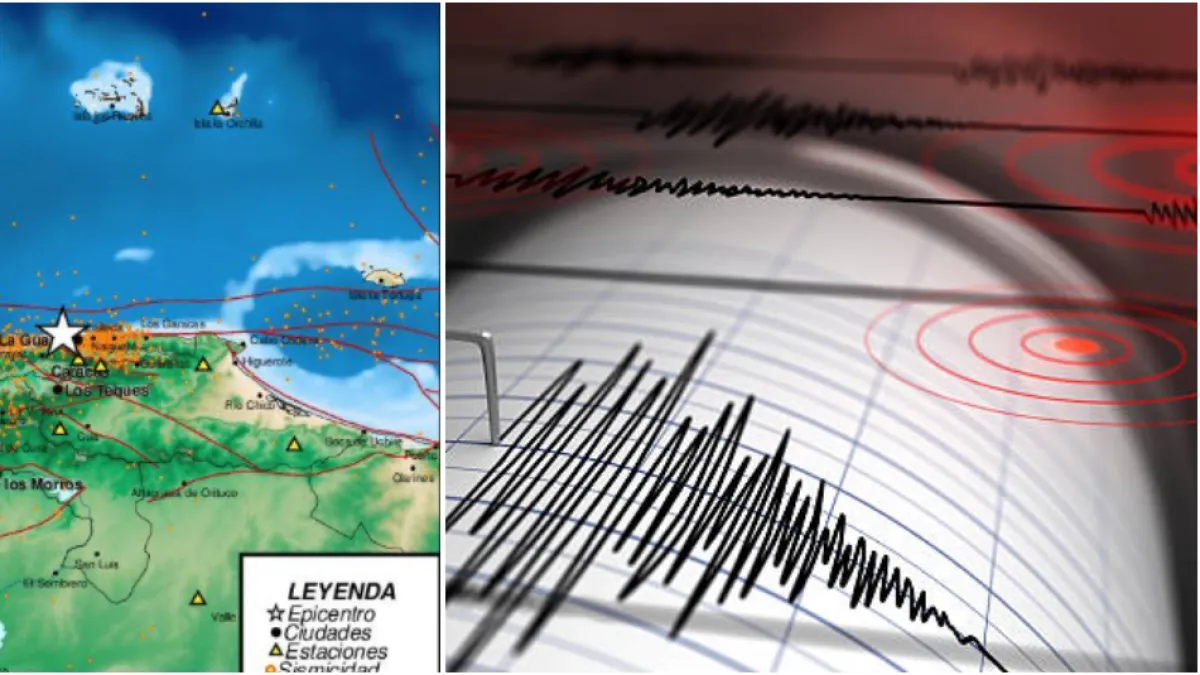
A Venezuela earthquake of magnitude 4.0 struck the coastal area of La Guaira early on August 18, 2026, and was felt in several zones of Caracas. [1] The epicenter was located 10 km northwest of La Guaira at a depth of 10 km according to Funvisis. [1] The tremor occurred at 3.07 local time. [1] Funvisis published the location details on X following the event. [1] The Venezuela earthquake registered as a shallow event close to populated centers. [5]
Impact and Official Statements
No immediate reports of damage or injuries emerged after the Venezuela earthquake. [1] Vice President Delcy Rodríguez confirmed the activation of the national protection system for monitoring and follow-up. [1] Rodríguez stated that authorities had no reports of any type of effects up to that moment. [1] She added that officials remain attentive and working to guarantee the security of all. [1] The Venezuela earthquake produced no reported affectations of any kind in the affected coastal zone. [1]
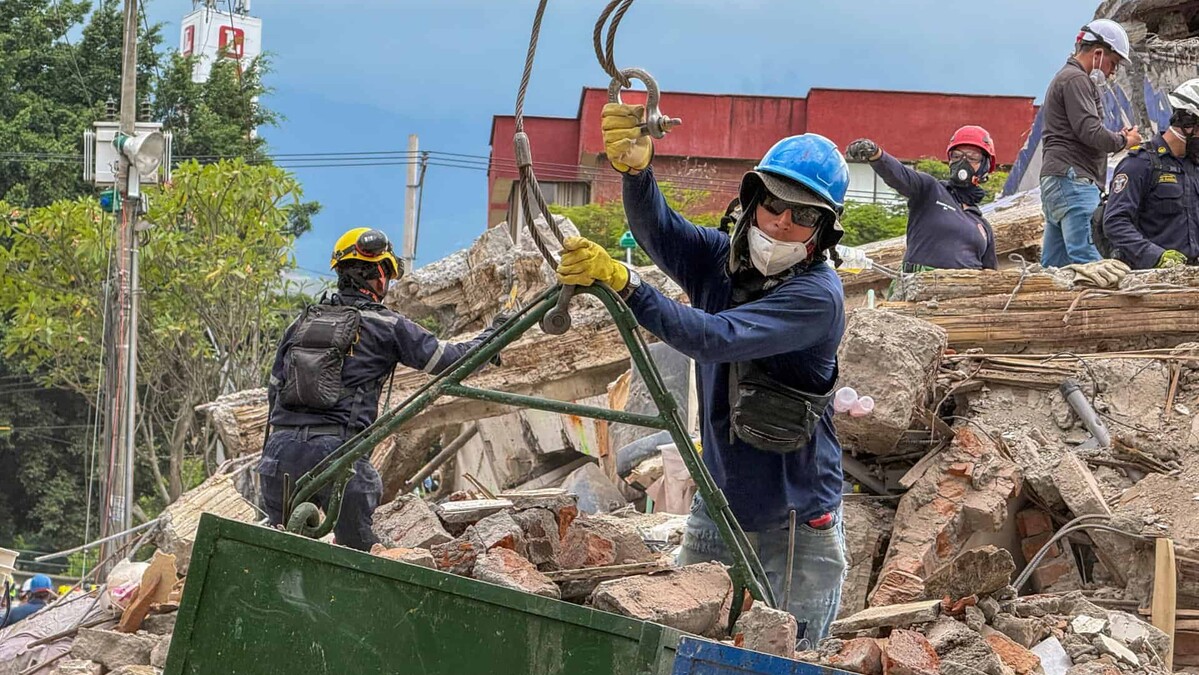
Vice President Delcy Rodriguez activates national protection system after magnitude 4 Venezuela earthquake in La Guaira. — Source: gdelt
Context from the June 24 Double Earthquake
La Guaira was the area hardest hit by the double magnitude 7.2 and 7.5 earthquakes on June 24, 2026. [1] The death toll from those June earthquakes has risen to 6,438 after authorities added 137 fatalities compared with the prior weekly report. [1] A total of 86,358 people have been treated in hospitals following the disaster. [1] Authorities evaluated 59,109 homes, of which 34,680 were classified as habitable, 13,733 with restrictions, and 10,696 in high risk. [1] A total of 335 homes have been delivered to victims. [1]
Expert Assessment of Aftershocks
Geologist Feliciano De Santis stated that the August 18 event is an aftershock of the June quakes. [5] De Santis, president of the Sociedad Venezolana de Geólogos, indicated that such events will continue for at least three to four months. [5] He noted that after the initial three-to-four-month period some additional aftershocks might still occur as part of the normal adjustment of the fault segment that broke. [5] The Venezuela earthquake was very close to the population at only 10 km depth and near population centers, which explains why it was felt strongly. [5] De Santis emphasized that the population must remain calm because this represents the dynamic of the fault until it adjusts. [5]

Humanitarian response map for Venezuela shows who does what where as of July 2026. — Source: reliefweb
Rejection of Regional Seismic Pattern Claims
Experts have rejected claims of any predictable seismic pattern linking the Venezuela, Colombia, and potential Ecuador earthquakes. [2] The Instituto Geográfico Nacional de España and the Instituto Geofísico de Ecuador stated there is no scientific evidence that earthquakes can be predicted or that a pattern exists among the events in Venezuela and Colombia. [2] The Venezuela earthquake was very superficial at 10 km depth and occurred in a boundary zone between the Caribbean and South American plates. [2] The Colombia event originated at more than 100 km depth in the subduction of the Nazca plate under the South American plate. [2] The two events were caused by different tectonic plates, and no pattern can be established due to the distance between them. [2]
Ongoing Humanitarian Response Status
The data in the Humanitarian Response Plan reflect activities reported by partner organizations as of 31 July 2026. [3] This report does not include the humanitarian response to the earthquakes that occurred on 24 June 2026, nor the results associated with the HRP addendum announced to address needs arising from this event. [3] The Venezuela 5W operational presence report similarly reflects activities reported by partner organizations under the Humanitarian Response Plan up to 31 July 2026. [4] That report also does not contemplate the humanitarian response actions implemented after the earthquakes on 24 June 2026. [4] Earthquake-specific response data continues to be tracked separately from the broader plan. [3]
What to watch next: aftershocks are expected to persist for at least three to four months as the fault segment adjusts following the June events.