
Venezuela Earthquake Leaves More Than 5,300 Dead and Tens of Thousands Missing One Month Later
One month after twin earthquakes struck Venezuela's northern coast, the Venezuela earthquake has left more than 5,300 people confirmed dead, over 16,500 injured, and tens of thousands still missing as families continue searching rubble for loved ones amid growing anger at authorities.
Twin Earthquakes Strike Venezuela
The earthquakes struck 39 seconds apart on a public holiday, devastating La Guaira state and Caracas, collapsing 190 buildings and affecting 856 others, with 1,405 aftershocks recorded. [2] A first tremor of magnitude 7.2 with its epicenter in the state of Yaracuy, about 200 kilometers west of Caracas, shook Venezuela on June 24 at 18:04 local time, followed 39 seconds later by another earthquake of magnitude 7.5. [2] The day was a public holiday marking the anniversary of the Battle of Carabobo, which coincided with the Fiesta of San Juan, leaving streets, hotels, and tourist apartments in La Guaira filled with visitors. [2] The quakes affected especially Caracas and La Guaira, about 30 kilometers north of the capital. [2] A total of 190 buildings collapsed and 856 were affected, while 1,405 aftershocks have been recorded since the initial events. [2]
Death Toll and Missing Persons
More than 5,300 people are confirmed to have died in the quakes and more than 16,500 were injured, according to a tally updated almost daily by the government. [1] Official reports list at least 5,346 people as having died, 16,740 as injured, and 6,462 as rescued, with the majority in La Guaira and Caracas. [2] The government has not said how many people are still missing, but the figure is estimated to be in the tens of thousands. [1] Platforms tracking the missing suggest the number could reach almost 41,300 or even 44,295. [2] The death toll from the 7.2 and 7.5 magnitude earthquakes has surpassed 5,300 according to the latest government figures. [3] To facilitate identification of the dead, the Servicio Nacional de Medicina y Ciencias Forenses has called on direct blood relatives who suspect their loved ones' remains are in morgues in Los Silos de Bolipuerto in La Guaira or Bello Monte in Caracas to undergo voluntary DNA tests. [2]
{IMAGE_2}
Ground Zero in Caraballeda
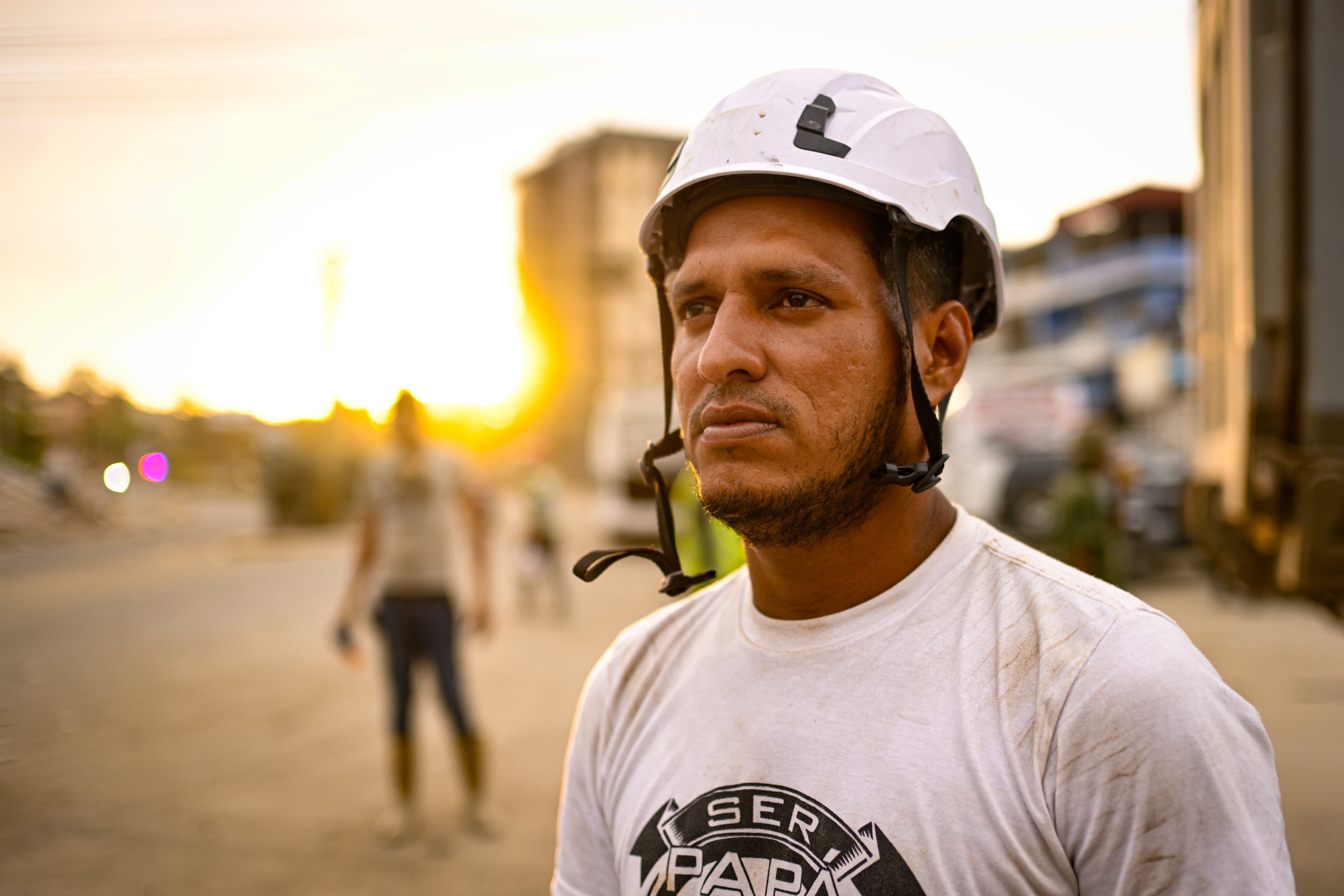
In Caraballeda, considered Ground Zero, ten of 12 public housing blocks in the OPPE 26 complex pancaked, prompting questions about construction flaws, negligence, and use of substandard materials. [1] The town in La Guaira state is considered the Ground Zero of the tragedy, where Victor Calderón's entire family lived in the OPPE 26 public housing complex. [1] Survivors and rescuers describe pulling bodies including children from debris, with volunteers using improvised tools and tunnels; many families sleep beside ruins waiting for remains. [1] Javier Navarro lost nine relatives in one of the massive Misión Vivienda towers in Caraballeda that collapsed after the June 24 earthquakes. [3] Each family at the OPP towers has dug its own tunnel in search of loved ones, with one tunnel reaching about 10 meters deep and equipped with fans and lightbulbs to reach first-floor apartments now buried under the collapsed structure. [3] Volunteers and families have recovered bodies including that of an 11-year-old girl pulled from beneath rebar and rubble at OPPE 26 as the sun went down. [1] Rescuers and volunteers have described the work as soul-destroying, with many recovering bodies of children from the rubble. [1] [3]
Anger at Authorities and Questions of Negligence
Survivors and rescuers describe pulling bodies including children from debris, with volunteers using improvised tools and tunnels; many families sleep beside ruins waiting for remains. [1] For most survivors and victims' relatives the soul-crushing grief is also combined with a deep and growing sense of anger at the authorities. [1] The resentment is palpable as almost everyone at the Caraballeda housing complex asks how ten of 12 housing blocks could collapse and whether building plans were flawed, corners were cut, or inadequate materials were used. [1] Public Works Minister Juan José Ramírez insisted the buildings were sound and that no nation could have coped with the scale of the disaster, noting that two almost simultaneous earthquakes moved in different directions and that the earthquake did not discriminate between public and private buildings. [1] Laura Barrios has been furious at the authorities for reacting slowly and said the removal of heavy machinery while her family still searches has sapped her will to fight. [1] Many residents at the OPPE 26 complex lived by Playa Pirata and watched their homes collapse on the public holiday, running toward apartments to try to save relatives and pets. [1]
Humanitarian Needs One Month On
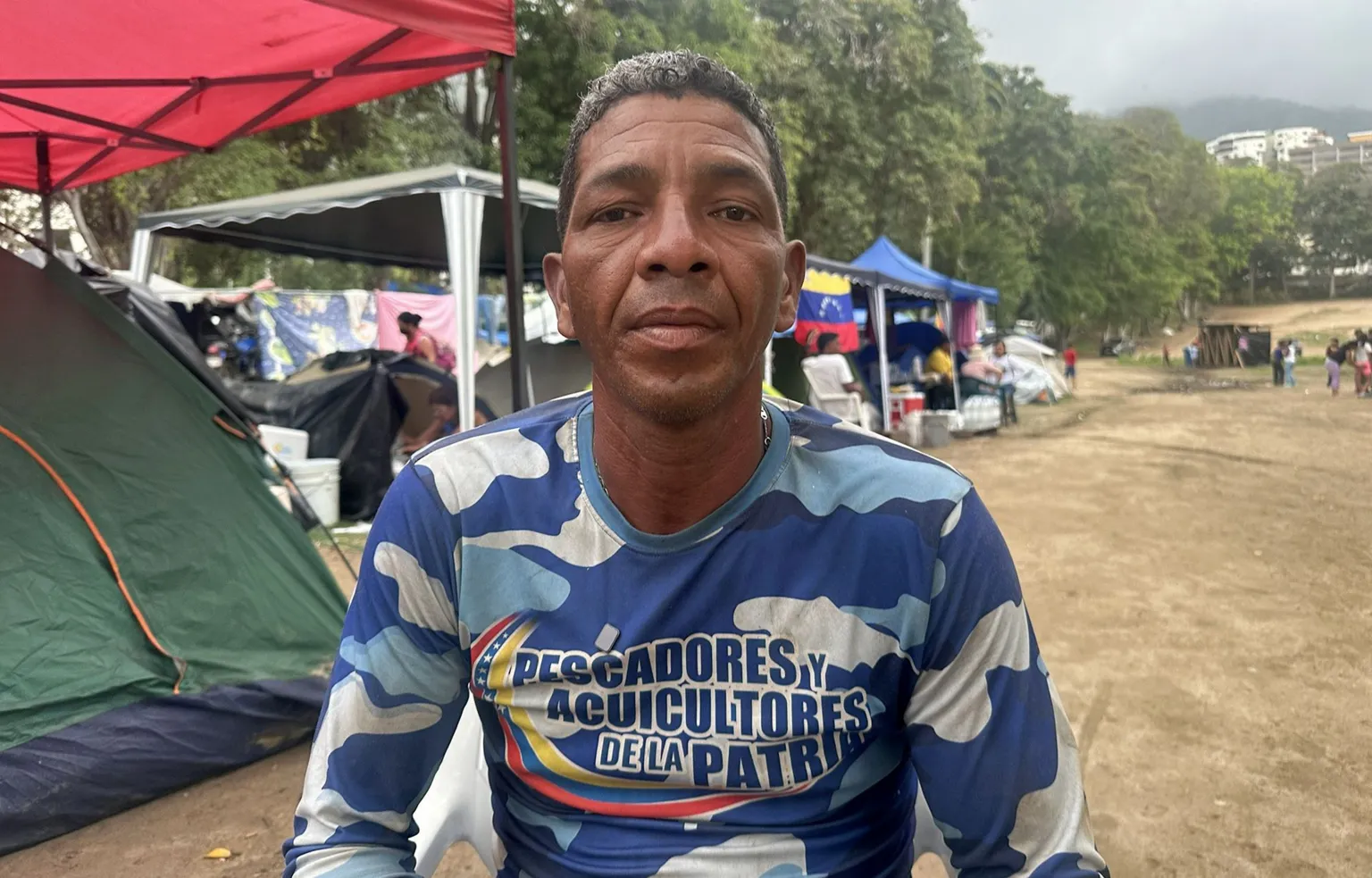
Over 23,000 people are in 107 temporary camps, with urgent needs for clean water, sanitation, hygiene, primary healthcare, vaccinations, mental health support, and long-term housing. [2] A total of 23,122 people are sheltered in the 107 temporary camps installed by the authorities. [2] The most pressing needs remain clean water, sanitation, and hygiene to prevent diseases linked to lack of latrines or handwashing. [2] Primary healthcare, continuation of vaccination schedules especially for children, and mental health support are also priorities, along with protection for the most vulnerable including unaccompanied minors, women, older people, and those with disabilities. [2] Thousands live in improvised settlements or sleep in tents beside damaged homes, with about 3,000 camping in the street in Maiquetía in La Guaira and another 3,000 on public roads in Caracas. [2] Shelters are temporary and not sustainable long term, so long-term housing is essential to allow families to leave camps, avoid overcrowding, and achieve family reunification. [2]
Reconstruction and Government Response
The World Bank estimates $19.6 billion in damage, 47% to housing; the government under acting President Delcy Rodríguez has begun relocating some families into 240 new homes and launched the Venezuela Renace reconstruction plan. [1] [2] The World Bank estimates direct material damage at 19,600 million dollars, with 47 percent of the destruction in housing. [2] The government of Delcy Rodríguez has donated 200 homes to affected families this week and relocated 240 families into new housing in Fuerte Tiuna in Caracas while inspecting land in La Guaira for further new homes. [1] [2] The Venezuela Renace project is evaluating damage before rebuilding or rehabilitating infrastructure, attending to a total of 11,794 homes across seven states including La Guaira with 3,947 homes and Caracas with 3,178. [2] Homes are classified green, yellow, or red, with red triggering a damage study to decide on reinforcement, reconstruction, or demolition; yellow allowing repair materials or private-sector studies; and green providing kits for superficial cracks. [2] Rodríguez was sworn in as acting president in January days after U.S. forces seized Nicolás Maduro and took him to New York to stand trial on narcoterrorism charges, and while she has backing from the Trump administration, Washington controls Venezuela's oil industry. [1]
What to watch next: The government has launched the Venezuela Renace plan to evaluate and rebuild damaged homes across multiple states while international partners stress the need for sustained aid focused on water, sanitation, health, and long-term shelter as temporary camps prove unsustainable.