
Venezuela earthquake death toll climbs to 6,301 as officials release new figures
The Venezuela earthquake of June 24 has produced a confirmed death toll of 6,301 according to the latest official update from Venezuelan authorities.
Current Death Toll and Missing Persons
The death toll from the twin earthquakes that struck Venezuela on June 24 has risen to 6,301, according to the latest official update from Venezuelan authorities. [3] Venezuelan authorities have not disclosed the number of people still believed to be missing. [2] The La Guaira governor stated last week that more than 1,000 remained unaccounted for. [2] The figure rose by nearly 200 from the previous count as reported by the speaker of Venezuela’s national assembly on Monday local time. [2] Venezuelan authorities continue to issue periodic updates on the fatalities without providing details on the missing. [2]
Event Overview and Seismic Characteristics
The two earthquakes on June 24 registered magnitudes of 7.2 and 7.5 and struck within a minute of each other. [2] The Venezuelan quakes involved a shallower strike-slip mechanism on the boundary between the Caribbean and South American plates. [1] This mechanism is distinct from the deeper subduction earthquake that hit Colombia in August. [1] The Venezuelan earthquakes originated in the interaction between the Caribbean and South American plates through lateral displacement known as strike-slip faulting. [1] A seismologist with Colombia’s National Seismological Network stressed that the Venezuelan earthquakes are shallower and involve a strike-slip mechanism. [1] In contrast, the Colombian event was a tectonic earthquake associated mainly with a subduction mechanism in which the Nazca plate slides under the South American plate. [1]
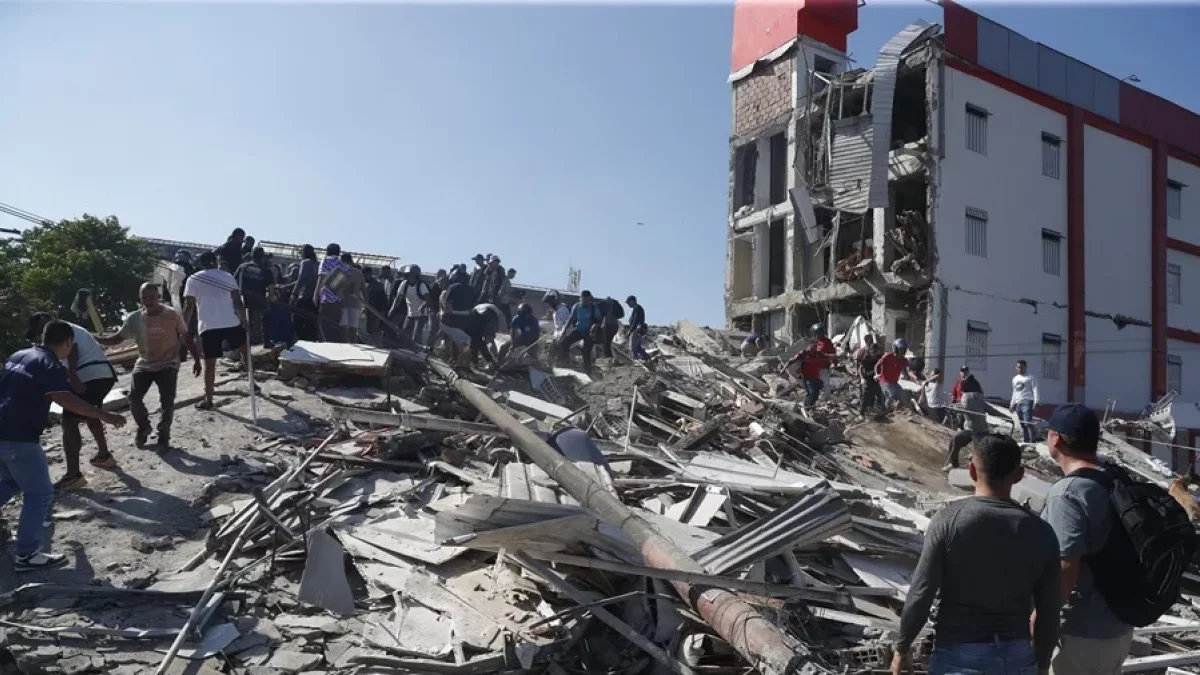
Venezuelan authorities report death toll from twin June 24 earthquakes reaches 6301. — Source: gdelt
Geographic Impact and Damage Concentration
The majority of collapsed buildings and fatalities are concentrated in the coastal region of La Guaira, north of Caracas. [2] Most of the destruction from the Venezuela earthquake occurred in this area where infrastructure suffered widespread damage. [2] The quakes damaged local infrastructure extensively and destroyed buildings across the affected zone. [2] The coastal location of La Guaira placed it directly in the path of the strongest shaking from the shallow events. [2]
Context of Regional Seismic Activity
The Venezuelan and Colombian events belong to the same tectonic block. [4] It is the first time this structure has recorded two earthquakes of magnitude above 7 in just 45 days. [4] The segment of plate on the western edge of South America is pushed by tectonic forces from the Pacific, generating longitudinal faults that transmit vibration northeastward. [4] Experts have noted that earthquakes cannot be predicted and that it is not possible to anticipate when an aftershock will occur or to rule out larger movements. [1] The seismologist also stated that depth alone does not determine the extent of damage, which also depends on building vulnerability and ground conditions. [1]
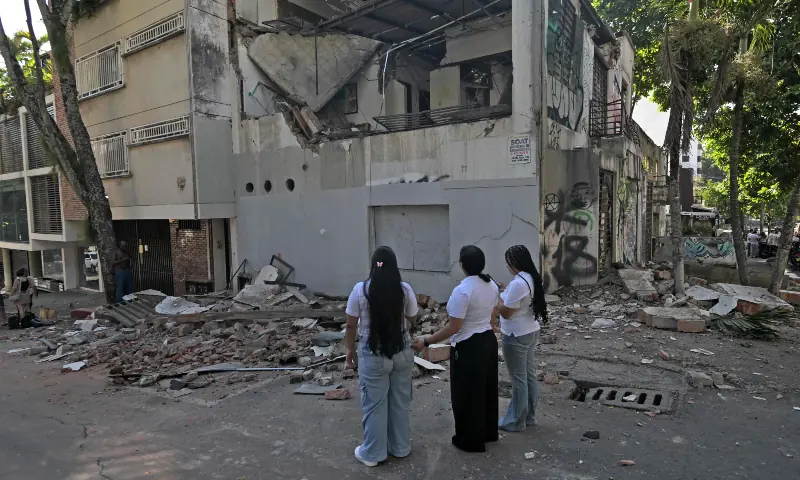
Rescue workers search rubble in Venezuela after twin earthquakes killed over 6,300 people. — Source: dawn
Comparison with Colombian Earthquake
The Colombian magnitude-7.4 earthquake on August 10 caused at least 100 deaths and widespread damage but is unrelated to the Venezuelan events despite similar magnitudes. [5] The focus of the Colombian quake was located at around 100 kilometers according to revised data, with the U.S. Geological Survey placing it at a depth of 107 kilometers near San José del Palmar in Chocó department. [1] [5] Depth is the factor explaining why two earthquakes of similar magnitude can cause very different damage levels. [1] In shallow earthquakes waves travel a shorter distance and reach areas near the epicenter with greater intensity, while in deep ones they pass through more material and lose energy along the way. [1] The Colombian event produced at least 100 deaths with the highest reported toll in Risaralda province where 42 fatalities occurred. [5] At least 30 buildings collapsed in Cali and rescue crews worked at multiple sites where people remained trapped. [5]
Government Response and Ongoing Recovery
Venezuelan authorities have issued the latest death toll as part of an official update without releasing figures on missing persons. [2] Colombian officials declared a state of emergency after the August 10 quake and deployed national capabilities to protect lives and deliver aid. [5] The first priority stated by Colombian authorities was rescuing people trapped under rubble. [5] The Colombian Geological Service recorded more than thirty aftershocks, the strongest of magnitude 4.8. [1]
What to watch next: Experts have stressed that earthquakes cannot be predicted and that preparation, preventive education, and infrastructure strengthening remain the main ways to reduce risks in the region. [4]