
US Terror Warning for Nigeria: Unraveling the Human and Economic Toll Amid Rising Insecurity
Breaking News: US Alert and Immediate Implications
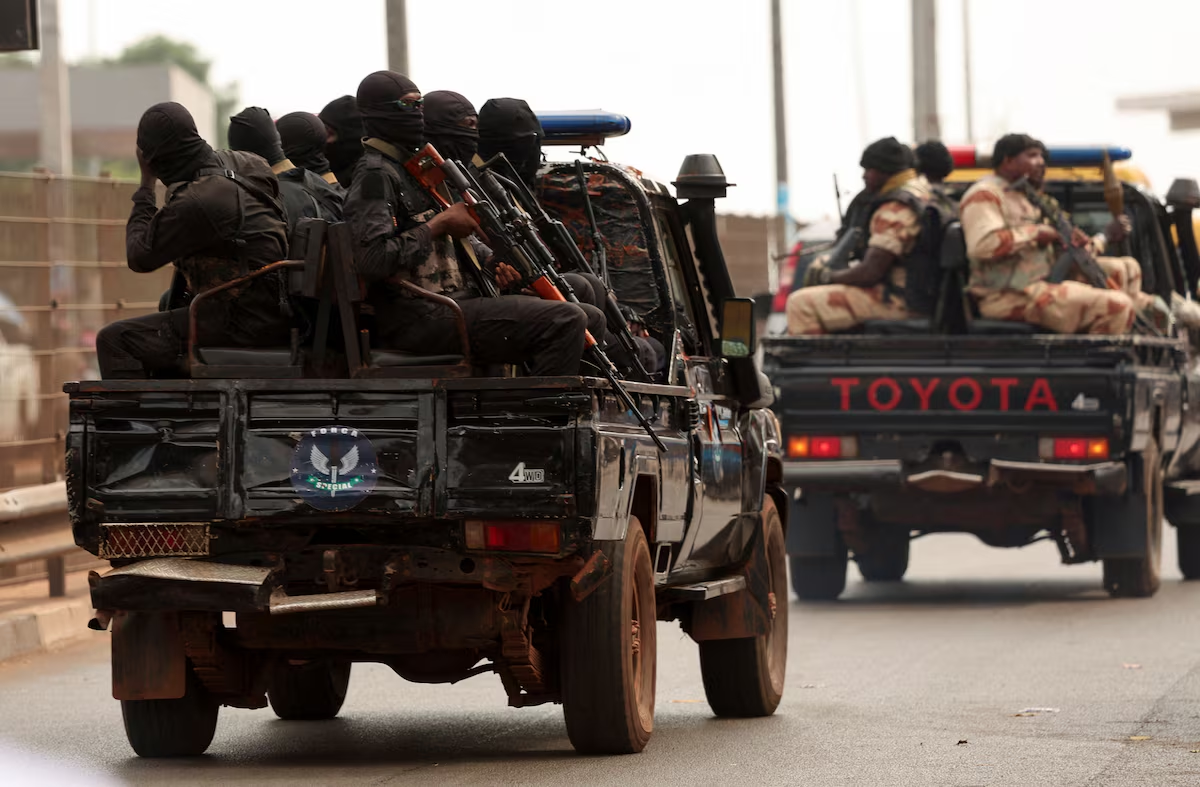
The U.S. Embassy in Nigeria issued an urgent security alert on March 1, 2026, warning American citizens of a 'potential terrorist threat' from groups like Boko Haram and ISIS-West Africa. This advisory urges U.S. nationals to shelter in place, avoid crowds, and monitor local media, based on credible intelligence of possible attacks in major cities such as Abuja and Lagos. The alert has heightened anxiety across Nigeria, leading to disrupted daily routines, reduced market activity in places like Kaduna (with 20-30% fewer vendors), and a 15% drop in hotel bookings in Abuja. Tourism, which contributes $2.5 billion annually, faces cancellations, while businesses and families adjust amid mixed public reactions on social media.
Historical Context: Patterns of Violence
This U.S. warning aligns with escalating violence in Nigeria since early 2026, including the January 4 attack in Zamfara State that killed over 20 people, the January 12 massacre in Niger State claiming 15 lives, and the January 20 abduction of 40 worshippers in Kaduna. Despite efforts like the January 27 Nigeria-U.S. military cooperation and a February 25 ransom payment to Boko Haram, these incidents highlight ongoing challenges, eroding security and enabling terrorist groups to exploit vulnerabilities.
Looking Ahead: Potential Scenarios and What This Means
Moving forward, without stronger Nigeria-U.S. collaboration, attacks could increase by 20-30% in vulnerable areas, potentially worsening economic strain with a 1-2% GDP dip from tourism losses. This alert underscores the need for community-led solutions, such as vocational training for displaced persons and agro-security hubs, to build resilience and address the socio-economic fallout, including rising food prices and psychological trauma from ongoing insecurity.
This is a developing story and will be updated as more information becomes available. (Word count: 602)