
Conflict in Lebanon: Ceasefire Extended for Three Weeks Amid Army Warnings
In the ongoing conflict in Lebanon, a ceasefire has been extended for three weeks, offering a tentative pause amid persistent hostilities. However, the Israeli army has issued stark warnings to civilians, advising against returning to southern areas due to ongoing risks, highlighting the fragility of the truce.[1][2][3]
Ceasefire Extension Overview
The extension of the ceasefire in the Lebanon conflict marks a significant development, yet it comes with uneven progress on the ground. According to updates from humanitarian monitors, the truce has been prolonged for a further three weeks, even as population movements remain tentative and uneven.[2] This extension follows an initial three-week ceasefire between Israel and Lebanon, as noted in reports on diplomatic efforts.[3] The decision reflects broader regional dynamics, including pressures that have influenced the involved parties to maintain the pause in major operations.
Israeli Prime Minister Benjamin Netanyahu has framed this extension within ambitions for a "historic peace," attributing the development to United States pressure on Iran.[3] This context underscores the external influences shaping the ceasefire, which aims to de-escalate the escalation of hostilities that prompted humanitarian flash updates.[2] Despite the formal extension, the immediate environment shows limited stabilization, with movements of people back to affected areas proceeding cautiously and inconsistently.[2] The truce's prolongation provides a window for potential negotiations, but reports indicate that it has not fully halted underlying frictions, setting the stage for continued monitoring of compliance and adherence.[3]
This overview of the ceasefire extension reveals a diplomatic achievement tempered by operational challenges. The three-week timeframe offers a structured period for assessing whether the pause can evolve into more durable arrangements, though sources emphasize the preliminary nature of these steps.[2][3]
Warnings to Civilians
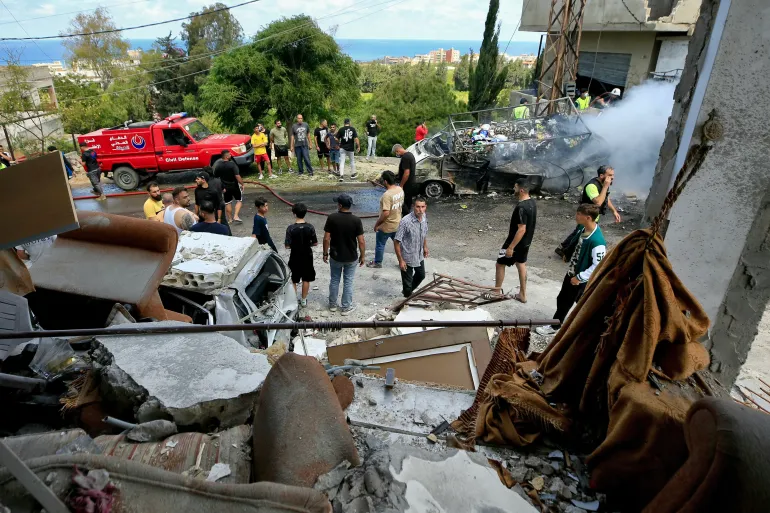
The Israeli army has explicitly prohibited civilians from approaching key areas in southern Lebanon, underscoring the risks that persist despite the ceasefire extension.[1] A spokesman for the army stated that it is not permitted to approach the area of the Litani River, the Salhani Valley, and the Saluki, issuing these warnings against returning to southern villages.[1] These directives are aimed at preventing potential dangers in zones that remain under military scrutiny, even as the truce holds formally.
Such restrictions highlight the operational realities on the ground, where the ceasefire does not equate to full demilitarization or safety clearance.[1] The Litani River area, Salhani Valley, and Saluki are specified as off-limits, reflecting concerns over unexploded ordnance, lingering threats, or possible renewed engagements.[1] This guidance comes directly in the context of the ceasefire, advising civilians to heed the prohibitions to avoid endangering lives.[1] The army's position prioritizes security protocols over immediate repopulation, a measure that aligns with the tentative nature of population movements reported elsewhere.[2]
These warnings serve as a critical cautionary note for those displaced from southern Lebanon, emphasizing that the path to normalcy remains obstructed by immediate hazards.[1] By delineating specific geographic boundaries, the Israeli military provides clear parameters, urging restraint amid the extended truce.[1]
Humanitarian Situation
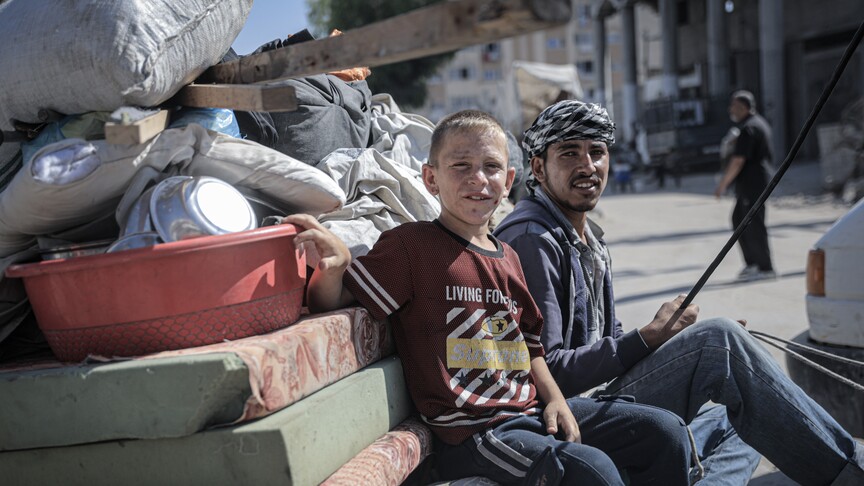
The humanitarian toll in the Lebanon conflict continues to weigh heavily, with official tallies showing 121,225 displaced people in collective shelters as of 23 April 2026.[2] This figure represents a slight 3 percent increase, even as the ceasefire extension was announced, indicating that return movements have not substantially reversed displacement trends.[2] The protection environment remains highly fragile, exacerbated by insecurity, overcrowded shelter conditions, and limited access to essential services.[2]
This update, captured in a flash report on the escalation of hostilities, paints a picture of strained resources and vulnerability.[2] The modest uptick in shelter populations suggests that many remain hesitant to venture back, influenced by the uneven and tentative nature of relocations.[2] Overcrowding in collective shelters compounds risks, while insecurity—tied to the broader conflict dynamics—further limits humanitarian access and protection efforts.[2]
The situation underscores the ceasefire's limited immediate impact on civilian welfare, as displaced individuals face ongoing challenges in safety and support.[2] With 121,225 people dependent on these shelters, the slight increase signals persistent displacement pressures, demanding sustained international attention to mitigate the fragile conditions.[2]
Statements from Leaders
Key figures have offered pointed commentary on the ceasefire extension, revealing deep divisions over its viability. Israeli Prime Minister Benjamin Netanyahu has accused Hezbollah of "sabotaging" the Lebanon peace push, positioning the group as an obstacle to broader agreements.[3] He credits US pressure on Iran for facilitating the three-week extension, expressing aims for "historic peace" between Israel and Lebanon.[3]
In response, Hezbollah has dismissed the ceasefire as "meaningless," citing ongoing Israeli military actions and retaliatory clashes that undermine the truce.[3] This exchange of statements occurs against the backdrop of the extended truce, which maintains a fragile calm amid wider regional tensions.[3] Netanyahu's narrative frames external diplomatic leverage as pivotal, while Hezbollah's rebuttal highlights perceived violations that erode trust.[3]
These pronouncements from leaders encapsulate the political undercurrents of the conflict in Lebanon, where aspirations for lasting peace clash with accusations of non-compliance.[3] The rhetoric points to uncertain prospects for a more enduring agreement, as each side interprets the ceasefire through lenses of achievement or inadequacy.[3]
Ongoing Risks and Uncertainties
Persistent tensions define the landscape following the ceasefire extension in the Lebanon conflict, with multiple factors contributing to instability.[1][2][3] Israeli army warnings against approaching the Litani River, Salhani Valley, and Saluki illustrate the security risks that preclude civilian returns, despite the formal truce.[1] Humanitarian data reinforces this, showing a fragile protection environment marked by a 3 percent rise in shelter populations to 121,225 as of 23 April 2026, driven by insecurity and overcrowding.[2]
Leader statements further amplify uncertainties, as Netanyahu accuses Hezbollah of sabotage while crediting US-Iran pressures, countered by Hezbollah's view of the ceasefire as meaningless amid Israeli actions and clashes.[3] This discord sustains a delicate balance, where the three-week extension offers no guarantee against renewed hostilities.[2][3] Population movements remain tentative, reflecting doubts over safety and access.[2]
Regional tensions exacerbate these risks, leaving prospects for a lasting agreement in doubt.[3] The combination of military restrictions, displacement pressures, and rhetorical divides signals that the truce hangs on precarious compliance, with elevated threats from unresolved conflict elements.[1][2][3]
What to watch next: Observers will monitor population movements for signs of sustained return or further increases in shelter numbers, alongside adherence to Israeli warnings and the potential for escalated clashes amid leader statements on the ceasefire's efficacy.[1][2][3]