U.S. Strikes Iranian Rocket Launchers on Larak Island as Iran Fires Missiles at Bases in Jordan
U.S. Strikes Iranian Launchers on Larak Island
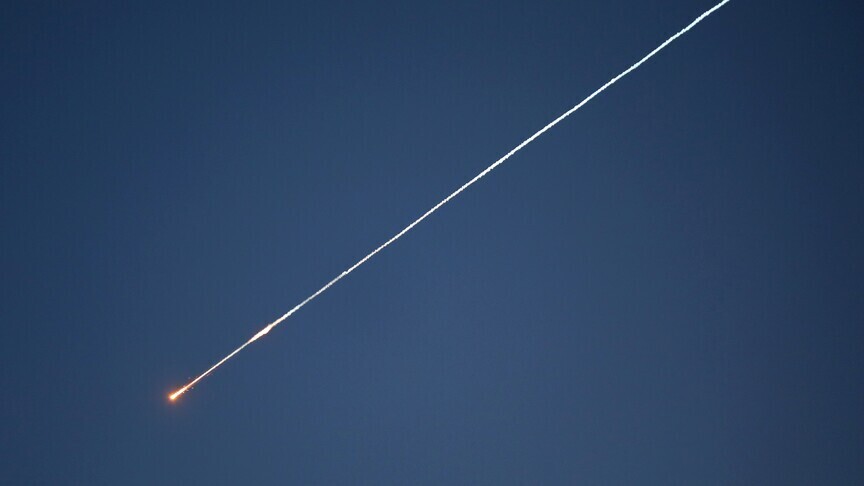
The United States conducted strikes on Iranian rocket launchers on Larak Island in the Strait of Hormuz on Sunday night. [1] This marked the first American military action against Iran in a month. [1] U.S. Central Command described the strikes as a limited, precise action against IRGC forces preparing to lay naval mines. [1] The command stated that the action was intended to protect civilian mariners, commercial shipping, and the free flow of global commerce. [1] U.S. military officials disputed Iran’s claim that the strikes were an act of aggression. [5] The last time the U.S. military confirmed targeting Iran was on July 29. [1] Forces observed IRGC preparations on Larak Island for launching rockets with naval mines toward the strait. [5] The U.S. military had completed removal of naval mines from international shipping lanes in the strait the previous week. [5]
Iran's Missile Response Targets Jordan
Iran’s Revolutionary Guards fired ballistic missiles at U.S. bases in Jordan in response to the strikes. [1] Iran’s Islamic Revolutionary Guard Corps reported that its air defenses intercepted a U.S. MQ-9 drone over the eastern Strait of Hormuz. [3] Jordan’s armed forces intercepted eight missiles that entered the country’s airspace early Monday. [1] Iranian media carried a statement from Guard spokesperson Gen. Hossein Mohebi describing the U.S. strikes as a fatal mistake during the economic war. [1] The Guard statement noted martyrdom and injuries among its fighters and reported striking a base in the UAE. [5] Emirati officials denied reports of an attack on the Al-Minhad air base. [5] The UAE defense ministry said its armed forces remain in a state of high readiness. [5]
Context of Recent U.S. Policy Shift
On Aug. 1, U.S. President Donald Trump said he would order the military to hold off on new strikes at the urging of Gulf allies Qatar, Saudi Arabia and the United Arab Emirates. [1] The attack came days after the Trump administration said it would turn its focus to increasing economic pressure rather than military action. [1] The shifting strategy centers on threats to punish any country or entity that continues to conduct business with Tehran. [1] Trump stressed last week that he is not in a hurry to get Iran back to the negotiating table. [1] The U.S. turn to sanctions came as the administration weighs diminished munitions stockpiles after months of war. [1]
Impact on Oil Prices and Shipping
Crude oil prices rose Sunday in response to the U.S. attack. [1] The price for a barrel of U.S. oil went up 1.8% to $84.94, while the price for a barrel of Brent crude rose 1.9% to $89.79. [1] Commercial traffic through the strait remained at reduced levels. [1] A monitoring agency run by the British military said an unknown projectile struck a tanker ship on Saturday north of Khasab, Oman. [1] The U.S. military said that as of Sunday it had redirected 83 commercial vessels and disabled three under its blockade of Iranian ports. [1] Iran still has enough drones and missiles to fire at vessels transiting the waterway through which 20% of the world’s oil normally flows. [1]
Additional Iranian Claims and Regional Reactions
Iranian officials said the country has suffered $270 billion in direct and indirect damage. [1] Iranian authorities stated that the strike on the UAE base was aimed at locations where U.S. soldiers and helicopters are stationed. [5] UAE presidential diplomatic advisor Anwar Gargash said on X that Iranian policy of attacking states in the Gulf region and Jordan has proven ineffective. [5] Gargash called for realistic and lasting political solutions that address political and economic dimensions of the crisis. [5] Tehran asserted that even after working out a management plan for the strait with Oman, the U.S. cannot use it until it fulfills obligations under the memorandum of understanding signed in mid-June. [1]
Broader War Strain on U.S. Forces
U.S. commanders warned in a document for Defense Secretary Pete Hegseth that further large-scale operations against Iran are unsustainable and would undermine readiness for other crises. [5] The document ordered extension of high-alert status for some forces to the end of September and for others to 2027. [5] Commanders of U.S. forces responsible for Europe, Asia and the Pacific, and South America, along with the Navy commander, signaled opposition due to concerns over equipment wear and troop fatigue. [5] The Navy commander assessed that only about one-quarter of the destroyer fleet is ready for deployment. [5] The Pentagon accused the Washington Post of committing a crime by publishing the assessments and stated that the military is in excellent shape worldwide. [5]
What to watch next: Further U.S. responses remain possible after Trump pledged to hit Iran hard, while commanders have flagged risks to readiness if operations continue at current intensity.