
US Strikes Hit Iran for Seventh Night as Tehran Reports Civilian Damage
The latest round of Iran strikes has now extended to a seventh consecutive night, with US Central Command reporting operations that began at 19:00 GMT on Friday aimed at degrading Iranian military capabilities. [3] Iranian state media and officials have described hits on civilian sites including Iranshahr Airport, a railway station and six bridges in Hormozgan province. [1]
US Launches Seventh Night of Strikes
US Central Command stated the strikes that began at 19:00 GMT on Friday were designed to degrade Iranian military capabilities, marking the seventh straight night of attacks. [3] The operations followed the collapse of a June ceasefire that had been largely observed until talks stalled and the US re-imposed a naval blockade of Iranian ports. [1] Centcom described the targets as military logistics infrastructure intended to further degrade Iranian military capabilities at the Commander in Chief’s direction. [3] Iranian state television reported explosions in Yazd and Sirik as well as several southern provinces during the overnight period. [3] The US has also conducted strikes against Iranian sites each night this week to weaken Iran’s ability to threaten traffic in the Strait of Hormuz. [2]
Iranian Reports of Civilian Damage
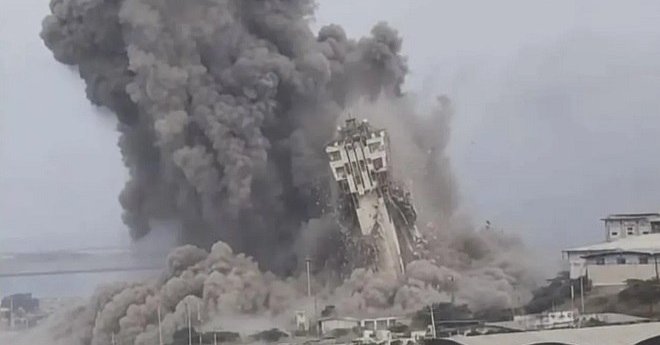
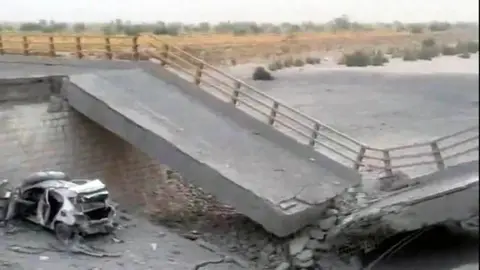
Iranian state media and officials reported strikes on Iranshahr Airport, a railway station, six bridges in Hormozgan province and areas in Yazd and Sirik, with seven or eight people killed. [1] Provincial authorities in Hormozgan said seven people were killed in the attacks. [1] Footage verified by BBC Verify and BBC Persian showed damage to the Gariveh Bridge after night videos captured a ball of flames on the structure. [1] Daylight images confirmed a crumbled stretch of road with rubble around the broken bridge. [1] Iranian state media also published images of heavily damaged bridges and railway lines in the south of the country. [3]
US Denial and Legal Context
BBC Verify confirmed damage to the Gariveh Bridge in Hormozgan, but the White House denied hitting civilian infrastructure and said strikes were exclusively on military targets including logistics sites. [1] A White House spokesperson told the BBC the US had carried out strikes exclusively on military targets, including military logistics infrastructure. [1] President Donald Trump has threatened to hit Iranian bridges and power stations to force Tehran to return to talks. [1] UN human rights chief Volker Türk stated that deliberately attacking civilians and civilian infrastructure is a war crime. [1] UN Secretary-General Antonio Guterres expressed concern about escalation in the conflict, particularly over attacks on civilian infrastructure in Iran and across the region. [1]
Iranian Retaliation Across the Region
Iran's IRGC claimed retaliatory strikes on US maritime surveillance radar in Oman, targets in Kuwait and Bahrain, a US command centre in Syria, and a UAV depot in Bahrain; Kuwait reported damage to a power and water desalination plant with personnel wounded. [1] The IRGC said it struck a depot housing US unmanned aerial vehicles in Bahrain late on Friday. [3] Kuwaiti authorities said Iranian strikes hit power generation and water desalination stations, and Kuwait’s army said several personnel were wounded as a result of Iranian drones targeting facilities and camps on Friday morning. [1] Kuwait’s Ministry of Electricity, Water and Renewable Energy announced that Iran had struck a power and water plant, damaging a large number of electricity generation units and sparking a fire. [3] Bahrain’s military reported it had intercepted several Iranian air attacks, with explosions heard in the capital Manama. [4] Qatar’s defence ministry said it had intercepted a rocket attack, though explosions were heard in Doha and one child was injured by falling debris. [4]
Strait of Hormuz and Energy Concerns
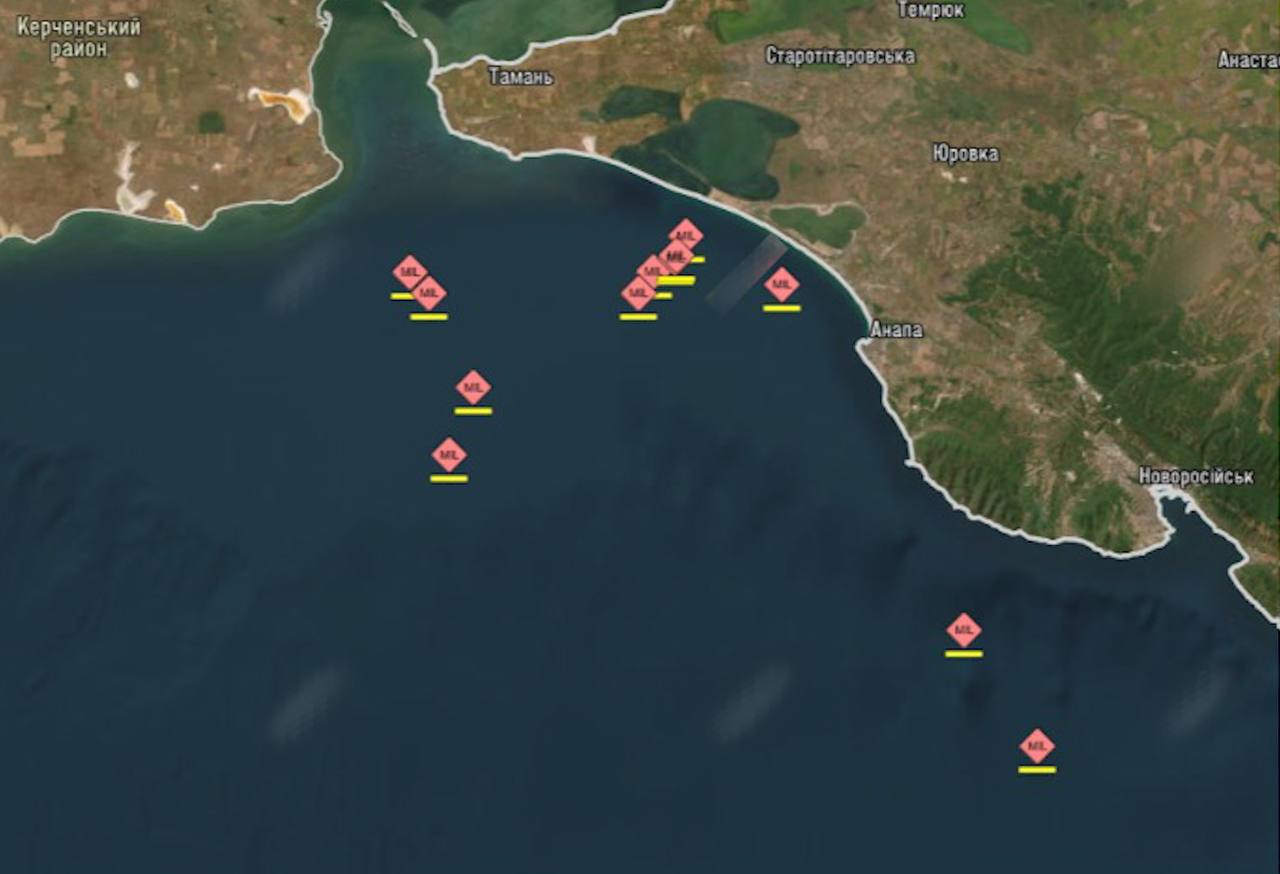
The Strait of Hormuz remains shut, raising global energy supply concerns according to the International Energy Agency, amid a collapsed ceasefire and re-imposed US naval blockade of Iranian ports. [1] A fifth of the world’s oil and liquefied natural gas used to transit through the strait, and International Energy Agency head Fatih Birol said concerns exist about global energy supplies if the situation does not improve in the next few weeks. [1] The UK Maritime Trade Operations reported a tanker was hit by an unknown projectile while sailing near Khasab in Oman on Thursday, with all crew members reported safe. [1] Iranian state television said two oil tankers exploded and caught fire while attempting to pass the Strait of Hormuz. [2] The US has re-imposed a naval blockade of Iranian ports in response to Iranian threats against shipping. [2]
Iranian Warnings of Further Escalation
Iranian military adviser Major-General Mohsen Rezaei warned that continued US attacks would prompt Tehran to shift to full-scale offensive operations with no political borders safe. [3] Rezaei stated that Tehran will move beyond the military phase of deterrence and enter the phase of offence and complete destruction if US attacks do not cease. [3] He added that Iran is ready to resume full-scale offensive operations if strikes continue for another two or three days and that no political border will be safe. [3] Rezaei said Washington’s strategy of war and negotiation had reached a dead end and that the intensity of Iranian attacks would increase in the coming days. [3] Iran has warned it would respond in kind by striking civilian infrastructure across the Gulf region. [3]
What to watch next: Further Iranian retaliation targeting US-linked assets in the region and continued closure of the Strait of Hormuz remain central developments as the conflict escalates.