
US Strike on Iran Wedding Kills Four Civilians Including Child
A US strike on a wedding ceremony in Kuhestak, southern Iran, killed at least four civilians including a four-year-old child and wounded dozens, prompting Iranian accusations of a war crime and retaliatory attacks on US bases across the Middle East.
Wedding Strike Kills Four Civilians
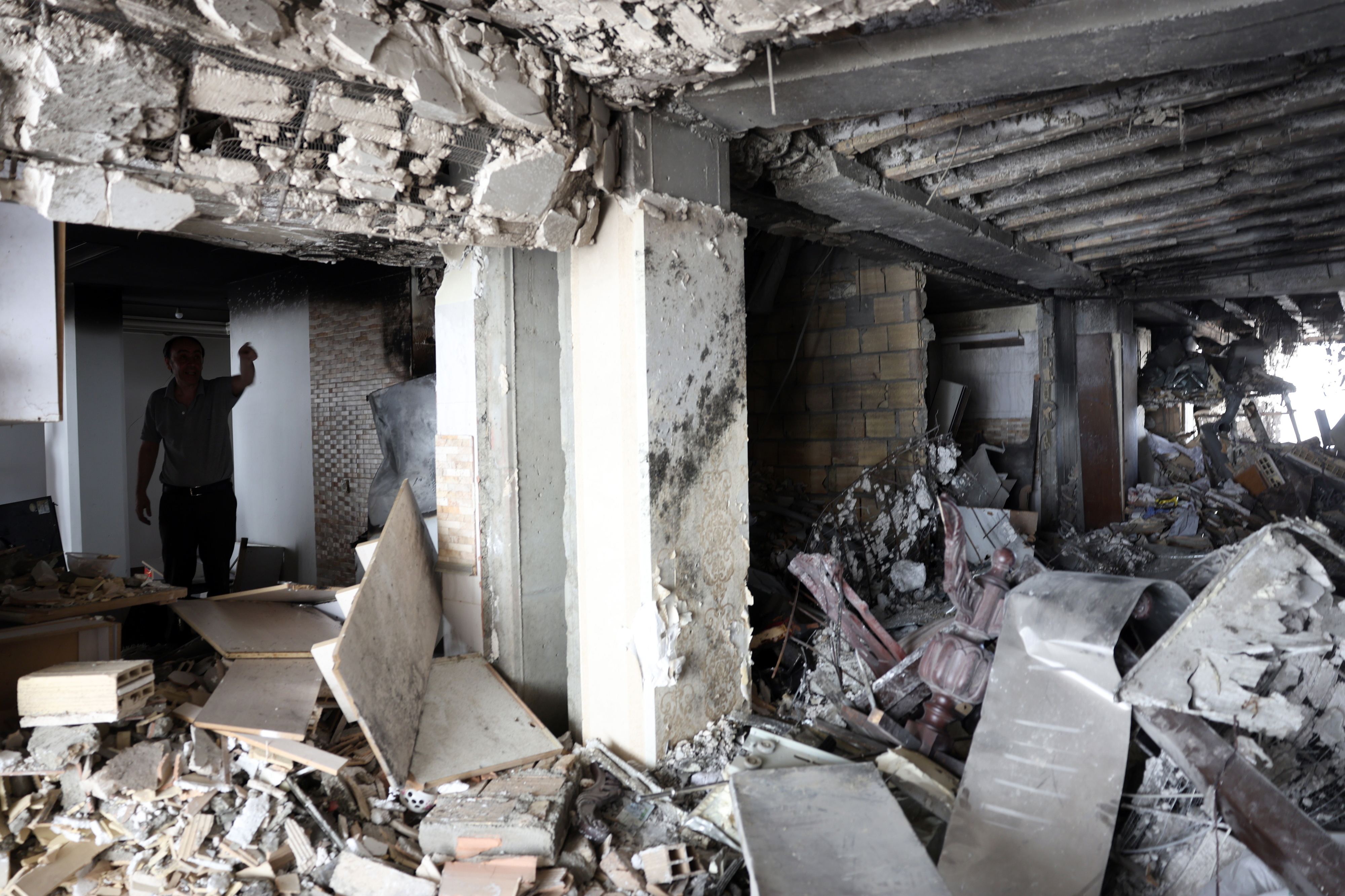
The strike hit a private home hosting a wedding in Kuhestak, Hormozgan province, killing Amir-Ali Karimi (age 4), Mohammad Mollahi (age 16), Kolsoum Malahi (age 43) and Zarkhatoun Taheri (age 43), while injuring 68 others, many of them women and children. [1] [2] Iranian media reported that the ceremony took place in a house owned by Ali Mollahi, the father of the bride, when a US missile struck the area on Tuesday. [1] Images released after the explosion showed a partially destroyed roof, broken windows and debris scattered across the floor, including wedding decorations and shoes left behind by fleeing guests. [1] A survivor described seeing aircraft flying over the region shortly before the blasts, and another witness stated that the house was not near any military site. [2] Records from hospitals showed minors receiving medical treatment, and shoes belonging to children and women appeared among the rubble. [2]
Iran Labels Attack a War Crime
Iran's Foreign Ministry and Red Crescent called the attack a war crime, citing civilian presence and lack of military target; the Red Crescent wrote to the International Criminal Court requesting an investigation. [1] [2] The Iranian Foreign Ministry spokesman Esmaeil Baghaei described the bombing as a crime of war and rejected US claims that its forces do not target civilians. [2] Iran's top negotiator Mohammad Bagher Ghalibaf called the United States "Satan" and said the attack killed families with children. [1] The Iranian Red Crescent gathered documents and images of the incident before writing to the International Criminal Court prosecutor to request action against those responsible. [2] The organization argued that the civilian presence and the use of the site for a family ceremony raised serious concerns under international humanitarian law and called for an independent, impartial and effective investigation. [1]
Trump Threatens Further Strikes
President Trump stated the US is prepared to strike Iran again at any time, adding that the current campaign would not last long and that strikes destroyed Iranian radar and maritime assets near the Strait of Hormuz. [1] [4] [5] Trump told journalists at the White House that US forces hit Iran hard the previous night and remain ready to launch another attack whenever they choose. [2] He said the new phase of operations against Iran should not last too long, though he offered no specific timeline. [1] Trump also claimed the strikes eliminated Iranian radar systems and other equipment along the Strait of Hormuz, preventing Tehran from tracking ships. [4] The president suggested on social media that the waterway might be renamed after him, though he later implied the remark was not serious. [5]
Iranian Retaliation Across Region
Iran responded with missile and drone attacks on US bases in Kuwait, Bahrain, UAE, Jordan and Iraq; Kuwait condemned the strikes as a violation of its sovereignty. [2] [3] [5] Iranian state television confirmed the attacks on US targets in Kuwait as a response to American actions against the Iranian people. [5] Kuwait's army reported intercepting the incoming missiles and drones, while its Foreign Ministry condemned the strikes as a threat to security and stability. [3] [5] Iranian forces also targeted sites in Bahrain, the UAE, Jordan and Iraq's autonomous Kurdistan region. [5] A military spokesman for Iran promised a heavier, wider and more devastating response. [1]
US Operations Focus on Strait of Hormuz
The rial hit a record low of 2.2 million to the dollar; the US escorted 40 tankers carrying 18 million barrels of oil through the Strait of Hormuz while striking nearly 60 Iranian military targets including air defenses, radars and communications sites. [4] [5] US forces used air, sea and space assets to strike nearly 60 military targets around the strait, including air defense sites, radar systems, maritime assets, mine-laying capabilities and communications sites. [4] At the same time, the US escorted 40 commercial vessels carrying 18 million barrels of oil through the waterway. [4] The operation marked a wartime high for such escorts, and US officials said the blockade of Iranian ports has prevented any oil exports since July. [4] The rial reached its new record low on Wednesday in Tehran trading. [1]
Israeli Officials Signal Continued Campaign
Netanyahu said Israel's mission against the Iranian regime is not finished and that it could strike again at any moment. [1] [5] In an interview with i24News, Netanyahu stated that all Israeli systems are working to topple the Iranian regime and that Israeli pilots could return at any time. [1] He said Israel has not yet finished the work and intends to defeat the regime. [1] Israel's defense minister Israel Katz said forces are prepared to respond with great force if Iran attacks during the Jewish high holiday season. [5] Foreign Minister Gideon Saar said Israel would respond strongly if attacked, though he added that he did not believe Tehran would make that mistake. [1]
What to watch next: US forces are expected to continue offensive strikes near the Strait of Hormuz as Iran has shown it can reconstitute capabilities, while energy companies remain wary of risks despite the escorts.