US Officials Link Chinese Satellite Imagery to Iran’s Deadly July Strike on Jordan Base
Iran used high-resolution satellite imagery from Chinese commercial entities to plan its 17 July ballistic missile strike on Muwaffaq Salti Air Base in Jordan that killed three US troops, US officials told the Wall Street Journal.
Iranian Strike on US Base in Jordan
The strike on 17 July heavily damaged the base in northeastern Jordan, hit a residential area, killed three US soldiers and wounded four others, and also targeted manned and unmanned aircraft. [1] [3] Iranian ballistic missiles struck a housing area at Muwaffaq Salti Air Base in northeastern Jordan, killing three US soldiers and wounding four others. [3] Iran also targeted manned and unmanned aircraft at the base, the officials said. [3] The attack marked the first US military deaths since an April ceasefire, heightening Washington’s fears about Iran’s growing ability to find and strike American military sites. [3] Within three days of the attack, Iran released high-resolution images showing damage to some parts of the base. [3] According to lower-resolution satellite images available publicly, more than 20 structures were damaged. [3] The attack on the Jordanian base marked one of the deadliest assaults on U.S. forces in the Middle East in recent years and prompted retaliatory U.S. strikes against Iranian-linked targets. [4]
Role of Chinese Satellite Imagery
US officials say Iran received imagery both before and after the attack; within three days Iran released its own high-resolution images showing base damage, while public lower-resolution imagery indicated more than 20 structures were affected. [3] Tehran received high-resolution satellite images of Muwaffaq Salti Air Base, which was heavily damaged in the 17 July strike, US officials told the newspaper. [1] [3] The officials did not name the Chinese entities or suggest that the Chinese government was directly involved in the attack. [1] [3] Officials have identified Chinese entities that allegedly supplied the satellite imagery to Iran but have stopped short of accusing the Chinese government of direct involvement in the attack. [4] Officials described the imagery as commercially available satellite intelligence that was later used by Iran. [4] US officials have been warning for months about Chinese companies selling satellite imagery that Iran could use against US forces, the journal said. [3]
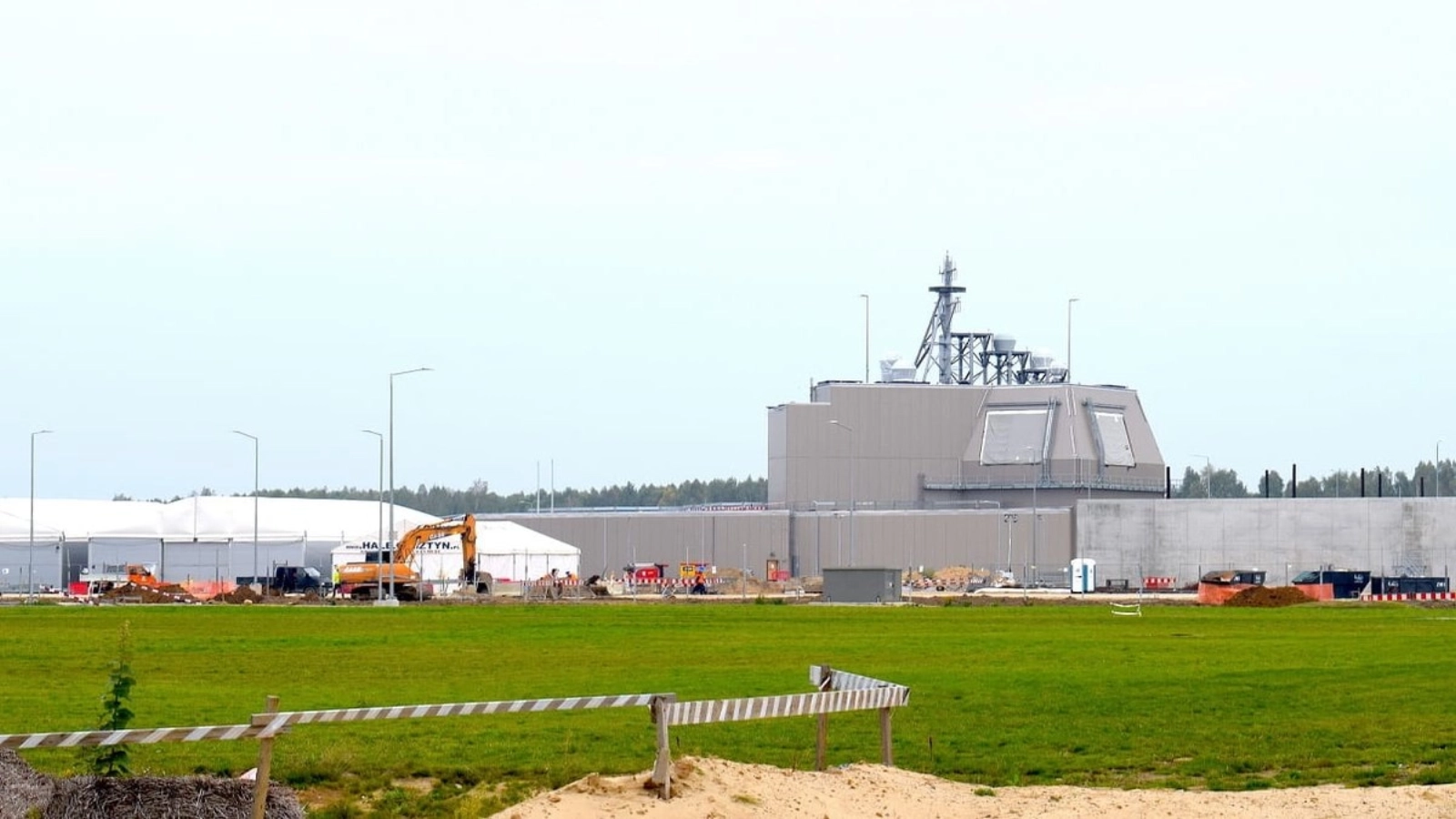
Iranian ballistic missile strike damaged Muwaffaq Salti Air Base in Jordan killing three US soldiers. — Source: gdelt
US Assessment and Diplomatic Response
The officials described the Chinese imagery link as the clearest evidence yet that Chinese support for Iran during the conflict had lethal consequences for US forces, though they did not name the entities or accuse the Chinese government of direct involvement. [2] Officials affirmed that Washington had established a link between these images and the attack on 17 July, describing them as the clearest evidence to date that support given by China to Iran during the war had lethal consequences for American forces. [2] The Trump administration had already sanctioned three Chinese firms in May for selling or providing imagery to Iran that could target US forces and is concerned the data could help Iran track American warships. [2] In May, the Trump administration imposed sanctions on MizarVision, Earth Eye and Chang Guang, saying they provided, collected or published imagery Iran could use to target US forces. [3] The US administration is also worried that China may be assisting Iran in tracking American naval assets. [3] Officials said Iran's ability to strike moving American warships appeared to be improving, though recent Iranian attacks on US ships had failed, according to the US Central Command. [3] In recent weeks, US officials have briefed congressional intelligence committees on alleged support that Russia and China are giving Iran. [3]
Chinese Denial and Context
Chinese officials have denied the allegations, demanded evidence, and stated that any cooperation with Iran complies with international law; senior US officials raised the issue in diplomatic talks ahead of the planned 24 September meeting between Presidents Trump and Xi Jinping. [2] Chinese authorities have denied the allegations and asked for evidence. [3] A Chinese embassy in Washington spokesperson, Liu Chang, accused unnamed critics of “maliciously linking and smearing other countries” by taking advantage of the conflict, and added that Chinese cooperation with Iran was in accordance with international law. [3] Chinese officials denied the allegations and requested evidence supporting Washington’s claims, according to the report. [4] Beijing has consistently denied providing military assistance to Iran in connection with attacks on U.S. forces. [4] The Ministry of Chinese Foreign Affairs accused unnamed entities of trying to associate it with the conflict. [2]

Pallbearers carry the casket of Army Sgt Angel Rampersad from his funeral service. — Source: middleeasteye
Impact on US-China Relations
The report comes as tensions between Washington and Beijing escalate ahead of a planned meeting between US President Donald Trump and Chinese President Xi Jinping on 24 September. [1] [3] These details could aggravate tensions before the summit planned between President Donald Trump and Chinese leader Xi Jinping, scheduled for 24 September. [2] The Trump administration, however, has played down the impact of Chinese support publicly. [3] Secretary of State Marco Rubio, after discussions with Chinese Foreign Minister Wang Yi, declined to say directly whether Beijing was providing Iran with targeting information, saying that “nothing that China has done has in any way changed the trajectory of the conflict”. [3] The US administration has tried to avoid public tensions with Beijing that could endanger the summit. [2] Neither the White House nor China’s Foreign Ministry has publicly released evidence supporting or refuting the claim that Chinese satellite imagery was used in planning the Jordan attack. [4]
Iran's Broader Intelligence Sources
Iran also relies on its own satellites and human sources, as well as intelligence and imagery from Russia, US officials said. [3] Chinese imagery was likely one of many intelligence sources used by Iran. [3] The officials said Chinese imagery was probably only one component among several used by Iran. [3]
What to watch next: Senior US officials raised the issue in diplomatic talks ahead of the planned 24 September meeting between Presidents Trump and Xi Jinping, while the Trump administration continues to monitor whether Chinese commercial satellite data could assist Iran in targeting American warships.