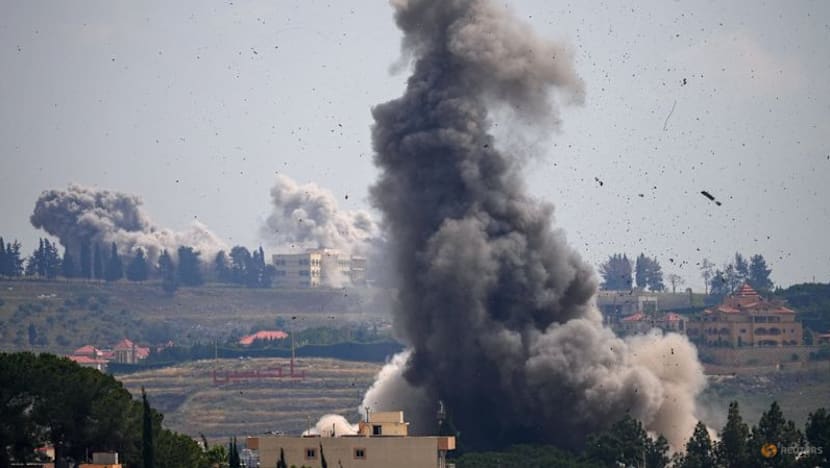

US military strikes Iran Qeshm Island after intercepting attacks on Kuwait and Bahrain
The US military conducted self-defence strikes on Iran’s Qeshm Island after intercepting Iranian missile and drone attacks targeting Kuwait and Bahrain. This strike iran followed reports that US Central Command had defeated incoming threats aimed at regional neighbours. The sequence of events began with Iranian launches and concluded with targeted US responses on Qeshm Island, according to multiple official statements.
US intercepts Iranian attacks and strikes Qeshm Island
US Central Command reported that it had intercepted and defeated a series of Iranian missile and drone attacks targeting regional neighbours, including Kuwait and Bahrain. The military also carried out self-defence strikes on Iran’s Qeshm Island in direct response to those threats. These actions were described as necessary to neutralise the incoming projectiles before they could reach their intended targets. The intercepts occurred amid heightened hostilities, with the US military confirming that the Iranian attacks were either thwarted or failed to achieve their objectives. [3] US officials emphasised that the strikes on Qeshm Island were limited to self-defence measures following the detection of the missile and drone barrages. [2]
Further details from the US military indicated that the operation involved coordinated efforts to monitor and counter the aerial threats across the region. The intercepts protected assets in Kuwait and Bahrain, preventing any successful strikes on those locations. Central Command’s account highlighted the effectiveness of the defensive systems deployed during the incident. This response aligned with broader efforts to maintain stability amid renewed flare-ups in the ongoing conflict. [1]
Iranian missile launches on Kuwait and other targets
Iran’s IRGC Aerospace Force launched precise and concentrated missile attacks on US military facilities in Kuwait. Iranian officials stated that the launches marked a shift, with warnings that the era of hit and run tactics was over. These claims were issued alongside reports of attacks directed at Bahrain and additional regional targets. [4] The US military countered that the Iranian missile attacks on Bahrain, Kuwait and other sites were either thwarted or failed to reach their marks. [1]
The IRGC’s Aerospace Force described the strikes as precise and focused on specific US installations. Despite these assertions, no confirmed damage to the targeted facilities was reported in initial accounts. The launches contributed to the broader pattern of hostilities that prompted the subsequent US defensive actions. [4] Iranian statements framed the operations as a direct challenge to US presence in the area, though US assessments maintained that the threats were successfully neutralised before impact.
Explosions reported on Qeshm Island
Explosions were heard on Iran’s Qeshm Island near coastal areas following the US self-defence strikes. Iranian media reported blasts in those locations, suggesting possible projectile impacts from the American response. [5] The strikes on the island were part of the US effort to counter the earlier Iranian missile and drone campaign. [3]
Local reports indicated that the sounds of explosions were consistent with incoming ordnance striking near the shoreline. These incidents occurred shortly after the US military announced its intercepts and subsequent actions. The events on Qeshm Island represented the most direct consequence of the US strikes within Iranian territory. [5] No additional details on casualties or structural damage were immediately available from official channels.
Additional explosions in Iraq and Bahrain
Explosions were also reported in Iraq and Bahrain during the same period of heightened activity. These reports coincided with the Iranian missile launches and the US intercepts. [4] The incidents in Bahrain occurred alongside the thwarted attacks mentioned by US sources, while similar sounds were noted in Iraq. [1]
The additional blasts added to the regional tension as hostilities flared once more. US assessments tied these events to the broader Iranian campaign that included attempts on Kuwait and Bahrain. [1] Iranian warnings about future operations accompanied the reports, though the immediate attacks were described as having limited success. The pattern of explosions across multiple countries underscored the interconnected nature of the exchanges. [4]
What to watch next: Further intercepts or launches could occur if Iranian missile and drone activity resumes against targets in Kuwait or Bahrain, based on ongoing US Central Command monitoring.







