
US Loses 45 Reaper Drones Worth Over $1.3 Billion in Iran Conflict
The US military has lost at least 45 MQ-9 Reaper drones during its conflict with Iran, representing about 25% of its fleet and more than $1.3 billion in equipment costs, according to officials cited by the Washington Post. [2] The Reaper drones have been deployed extensively around the Strait of Hormuz during the Iran conflict. [2]
US Drone Losses in Iran Conflict
The Reaper drones, used for surveillance and targeted strikes, cost between $30 million and $50 million each and have been deployed extensively around the Strait of Hormuz. [2] Some of the losses occurred when drones were shot down by Iranian forces or Iran-aligned groups in Yemen and Iraq, while others resulted from lost communications links. [2] The Reaper is used to conduct surveillance and targeted strikes. [2] A fourth US official said not all the drones were shot down. [2] Some crashed after operators lost communications links with the aircraft. [2] The losses could therefore represent more than $1.3 billion in equipment costs, according to three US officials familiar with Pentagon data, quoted by the Washington Post. [2] MQ-9 Reaper belongs to the medium-altitude long-endurance UAV line, with the ability to fly continuously for up to 30 hours to perform surveillance or precision strikes with Hellfire missiles. [3] Iran displayed debris and wreckage of MQ-9 Reaper UAVs shot down by Tehran forces. [3] Just a few hours after the military campaign against Iran began on February 28, information about Reaper UAVs being shot down appeared on Iranian Telegram channels. [3] Videos followed in which the Iranian military claimed to have destroyed many MQ-9s while they were flying as well as destroying others in hangars at US bases in the Gulf region. [3]
Impact on US Military Fleet and Planning
The US had about 185 Reapers before the conflict; the Air Force fleet has fallen to about 135, prompting concerns and exploration of replenishment options. [2] The US military had about 185 Reapers before the conflict, including 165 operated by the Air Force and 20 by the Marine Corps, based on public budget data and service figures. [2] None of the Marine Corps' Reapers have been lost, according to Lt Col Joshua Benson, a Marine Corps spokesman. [2] Those aircraft are primarily deployed in the Asia-Pacific region. [2] In May, Lt Gen David Tabor, a senior Air Force officer, told the Senate that the number of remaining Reapers had fallen to about 135. [2] He said the Air Force was concerned about the losses and was exploring ways to replenish the fleet. [2] The Pentagon is already phasing out the General Atomics-built Reaper and plans to replace it with a cheaper generation of armed surveillance drones capable of operating in swarms. [2] The Reaper losses also add to growing pressure on US military inventories after months of fighting with Iran and years of American military support for Ukraine. [2] US forces fired more than 850 Tomahawk cruise missiles and more than 1,000 Patriot and Terminal High Altitude Area Defense (THAAD) interceptors during the first month of the Iran campaign, according to The Washington Post. [2] The depletion of some weapons has affected US military planning, with commanders reportedly changing defensive tactics and reserving some interceptors for threats considered more likely to cause damage. [2] The Pentagon, however, has denied that its weapons stocks are running low. [2]
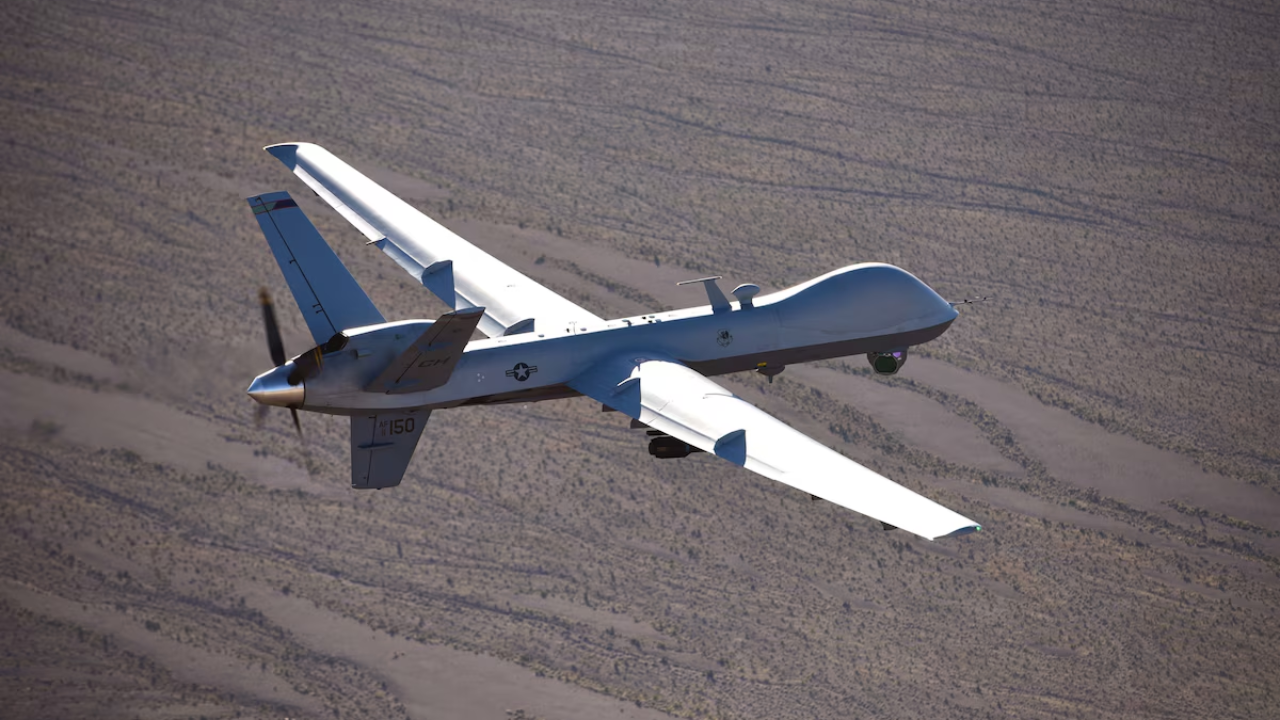
US MQ-9 Reaper drone flies surveillance mission over the Strait of Hormuz. — Source: timesofindia
Replenishment Challenges and Costs
The Trump administration has sought tens of billions of dollars from Congress to cover the costs of the Iran war and replenish depleted inventories. [2] The administration is seeking approval for a $67 billion supplemental package for the Iran war. [2] Defense Secretary Pete Hegseth has estimated that the conflict will cost $37.5 billion through the end of September, excluding the cost of rebuilding US bases damaged by Iranian strikes. [2] A report by the American Enterprise Institute this week found that some US missile inventories could take years to replenish. [2] The report said the Missile Defense Agency's maximum annual production capacity for THAAD interceptors is 96, while the Pentagon's proposed defence budget calls for 857 next year and nearly 2,600 over five years. [2] At current production rates, fulfilling that five-year requirement would take about 27 years, according to the report. [2] AEI senior fellow Todd Harrison said manufacturing a single THAAD interceptor takes nearly three years. [2] The Pentagon has held talks with defence companies and reached framework agreements aimed at increasing production of key munitions. [2] However, the companies do not yet have contracts or funding to begin the planned expansion, the report said. [2] General Atomics stopped production of the MQ-9 Reaper in 2020 and the Pentagon does not expect to launch a successor selection program until the end of this year. [3] The US Senate Armed Services Committee has proposed restarting the MQ-9 Reaper production line. [3] Air Force Vice Chief of Staff David Tabor stated at a US Senate hearing in June that the Pentagon is "considering options to acquire as many MQ-9A UAVs as possible" from Washington's allies. [3]
Yemen Escalation and Houthi Actions
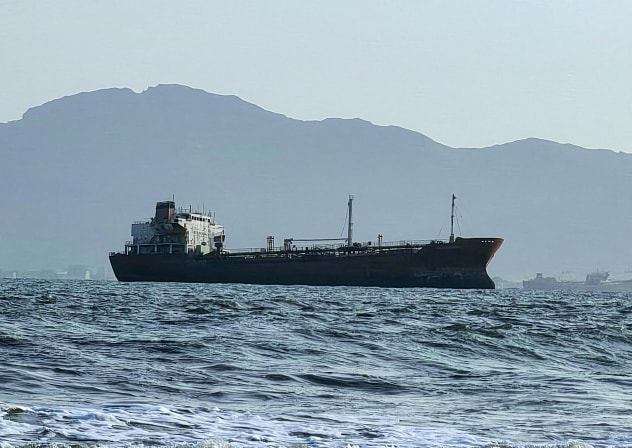
Yemen faces its greatest risk of renewed war since 2022 as fighting intensifies between the Iran-backed Houthis and Yemen’s Saudi-supported army and attacks on Red Sea shipping threaten further regional escalation, UN envoy Hans Grundberg warned the Security Council. [1] Grundberg said Houthi attacks in Marib, Hadramaut, Mokha and other areas have resulted in military and civilian casualties. [1] He also warned that renewed Houthi attacks against commercial vessels in the Red Sea and Gulf of Aden could pull Yemen deeper into regional conflict. [1] The envoy urged the parties to immediately deescalate and pursue a lasting ceasefire. [1] He said attacks and threats against shipping and cross-border attacks must end. [1] The Houthis announced a naval blockade of Saudi Arabia in the Red Sea on July 20, saying the move was a response to what they described as a Saudi siege of Yemen. [1] Riyadh has denied imposing such a siege. [1] A Saudi-led coalition later launched airstrikes against what it described as Houthi military facilities in the port city of Hodeidah. [1] The coalition said the targeted sites were connected to threats against commercial shipping. [1]
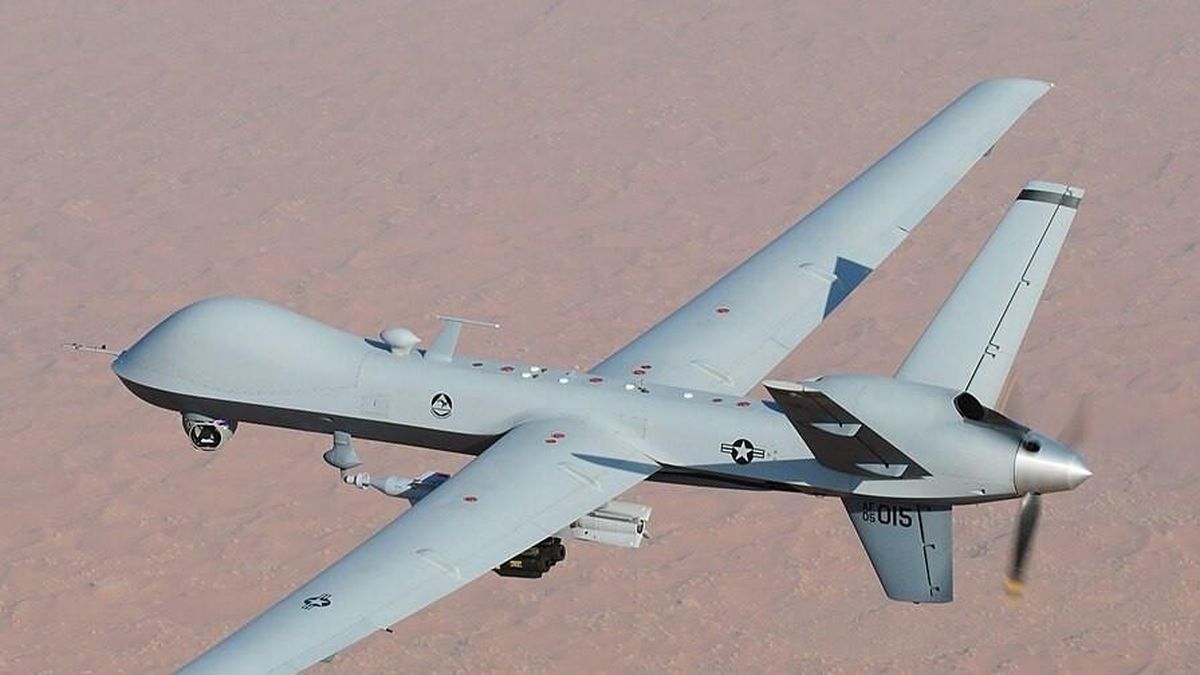
US MQ-9 Reaper drone flies surveillance mission over the Strait of Hormuz. — Source: gdelt
Humanitarian Crisis in Yemen
The warning comes as Yemen also faces a severe humanitarian crisis. [1] More than half of the population is experiencing acute food insecurity, UN humanitarian chief Tom Fletcher told the council. [1] About 6 million people have reached “Emergency” levels of food deprivation, approaching famine conditions. [1] Grundberg and Fletcher called for the Houthis to release 73 UN personnel being held by the group, along with workers from non-governmental organizations, civil society and diplomatic missions. [1] Efforts to free conflict-related detainees have also made limited progress. [1] Grundberg said preparations for the release of more than 1,600 detainees under an agreement reached in May were moving slowly and risked being disrupted by the broader escalation. [1]
Prospects for Ceasefire and Negotiations
Grundberg said a negotiated "off-ramp" remained possible and called on countries with influence over the parties to help return them to negotiations. [1] The envoy urged the parties to immediately deescalate and pursue a lasting ceasefire. [1] He said attacks and threats against shipping and cross-border attacks must end. [1] Grundberg said preparations for the release of more than 1,600 detainees under an agreement reached in May were moving slowly and risked being disrupted by the broader escalation. [1]
What to watch next: Grundberg said a negotiated off-ramp remained possible and called on countries with influence over the parties to help return them to negotiations while preparations for detainee releases continue amid the escalation. [1]






,regionOfInterest=(1390,405)&hash=e1810e1bba27c1b82d21e49e5e548424315f79bcb1c3ecf27520a29f6a10c53c)