
US-Iran War: Pivotal Deadline Approaches with No End in Sight
The war in Iran is nearing a pivotal deadline, yet the conflict shows no signs of resolution.[1] As the US-Israeli war on Iran enters its third month, efforts between Washington and Tehran to resume talks remain stalled, with US President Donald Trump commenting that Iran is "dying to make a deal."[2] US war costs are soaring amid this prolonged engagement, underscoring the mounting pressures on all sides.[2] This situation highlights a deeply entrenched standoff, where diplomatic pathways appear blocked and military actions persist without clear endpoint.[1][2]
Approaching Deadline and Conflict Status
A critical deadline in the US-Iran war is fast approaching, raising concerns over the trajectory of the conflict.[1] According to reports, this pivotal moment carries significant weight, as there is no indication of the war in Iran concluding anytime soon.[1] The assessment is stark: ending the war appears highly unlikely at this juncture.[1] This deadline underscores the ongoing nature of hostilities, which have shown remarkable resilience against de-escalation efforts.
The broader conflict status reflects a protracted struggle.[1] Entering its third month, the US-Israeli war on Iran continues without respite, marked by sustained military involvement.[2] This duration points to a deepening entrenchment, where initial objectives have not yet materialized into victory or cessation.[1][2] The absence of an end in sight amplifies the stakes, as the approaching deadline could serve as a potential inflection point—or further entrench the impasse.[1] Observers note that such timelines often test the resolve of involved parties, but current indicators suggest persistence rather than pullback.[1] The war's momentum, devoid of breakthroughs, positions this deadline as a litmus test for future developments, though optimism remains tempered by the prevailing deadlock.[1]
Stalled Negotiations Between US and Iran
Diplomatic initiatives aimed at resuming talks between Washington and Tehran have hit a wall, with no progress reported.[2] Efforts to rekindle negotiations in the context of the US-Iran war remain firmly stalled, contributing to the conflict's prolongation.[2] This stagnation occurs against a backdrop of heightened tensions, where both capitals appear locked in their positions.
The impasse is evident in recent updates, which highlight a lack of momentum in dialogue.[2] As the war in Iran drags into its third month, the failure to advance talks represents a key barrier to resolution.[2] US officials have acknowledged complexities, but concrete steps toward engagement have not materialized.[2] This stalled state not only sustains military operations but also limits opportunities for de-escalation through diplomatic channels.[2] The overnight developments reinforce this picture, portraying a scenario where negotiation tables remain empty despite underlying pressures.[2] Such a deadlock often signals deeper strategic divergences, where mutual concessions prove elusive amid ongoing hostilities.[2]
Statements from US Leadership
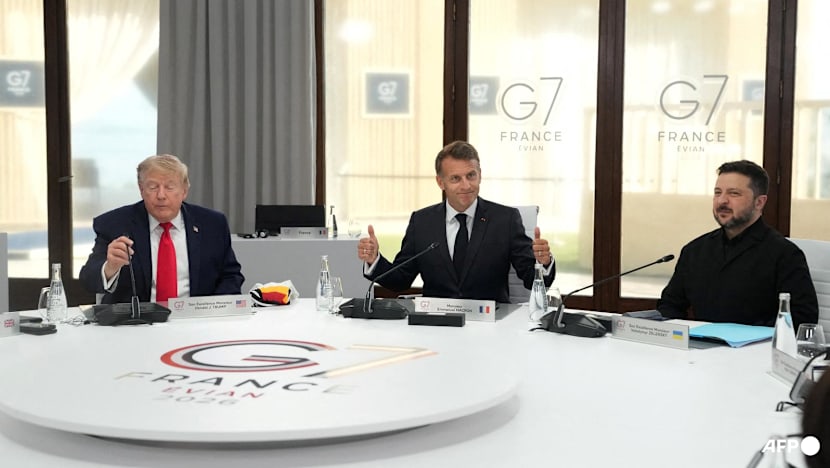
US President Donald Trump has offered pointed remarks on the US-Iran war, suggesting Iran's eagerness for a deal.[2] Speaking to reporters at the White House on Thursday, Trump stated that Iran is “dying to make a deal.”[2] This comment came amid questions about the conflict's diplomatic front, reflecting a perspective of leverage from the US side.[2]
When pressed on whether talks with Tehran have stalled, Trump noted that only a few people know the true status of discussions with Iran.[2] He emphasized opacity around the negotiations, adding layers of intrigue to the stalled efforts.[2] Furthermore, Trump highlighted uncertainty over the Iranian leadership, remarking, “We have a problem...”[2] This incomplete but telling statement points to perceived instability or challenges within Tehran's ranks, potentially complicating deal-making.[2] These utterances from US leadership provide a window into Washington's outlook, blending confidence in Iran's position with caution about internal dynamics.[2] Trump's words, delivered in a casual press interaction, underscore a narrative of US strength while navigating the war's realities.[2]
Escalating Costs and Duration of the War
The financial burden of the war in Iran is mounting rapidly, with US war costs soaring.[2] As the US-Israeli war on Iran stretches into its third month, these escalating expenses highlight the economic toll of sustained operations.[2] This surge in costs accompanies the conflict's extended timeline, amplifying the overall strain on resources.
The third-month mark serves as a milestone of endurance, where initial engagements have evolved into a prolonged campaign.[2] Overnight reports detail how these costs are climbing, driven by ongoing military commitments.[2] Such escalation is typical in extended conflicts, where logistics, personnel, and equipment demands compound over time.[2] The duration—now firmly in its third month—intensifies this pressure, as each passing week adds to the fiscal ledger without offsetting gains from diplomacy.[2] Trump's reference to Iran's deal-making interest occurs against this backdrop, potentially framing costs as a negotiating lever.[2] Nonetheless, the soaring figures paint a picture of a war whose price tag is becoming increasingly untenable.[2]
Major Takeaways from Recent Events
Key developments from overnight events distill into several critical points amid the US-Iran war.[2] Chief among them is the entry of the US-Israeli war on Iran into its third month, coupled with stalled efforts for Washington and Tehran to resume talks.[2] These elements capture the essence of the current stalemate, where military persistence overshadows diplomatic overtures.[2]
US President Donald Trump's statements dominate the narrative, with his assertion that Iran is “dying to make a deal” signaling perceived desperation on the other side.[2] His evasive response on talk status—claiming only a few know the details—and nod to leadership issues in Iran (“We have a problem...”) add nuance to the overnight takeaways.[2] Soaring US war costs further round out the picture, emphasizing the tangible impacts of the conflict's length.[2] Collectively, these points from recent events illustrate a multifaceted crisis: prolonged fighting, blocked talks, leadership rhetoric, and rising expenses.[2] They serve as a snapshot of a war defying easy resolution.[2]
What to watch next: The pivotal deadline's arrival could dictate immediate shifts, while any movement on stalled talks or further clarity from US leadership on Iran's status remains crucial amid soaring costs.[1][2]