Strike in Lebanon: Israeli Airstrikes Kill at Least 17 People Despite Ceasefire
Israeli strikes in Lebanon have resulted in multiple fatalities amid an ongoing ceasefire agreement, with reports confirming at least 17 people killed in recent attacks.[1] This strike Lebanon development has drawn sharp international attention, as the United States has urged a direct meeting between the Lebanese president and the Israeli prime minister to address the escalating tensions.[1] Since March 2, Israeli attacks on Lebanon have led to at least 2,586 deaths and more than 8,000 injuries, according to local media and health ministry figures.[2][4] Iran has labeled the situation "intolerable," while former U.S. President Donald Trump has warned that war might resume.[2] The Lebanese government has pointed to Israel's ceasefire violations in the wake of these recent strikes.[5]
Overview of Recent Strikes
Recent Israeli strikes in Lebanon have targeted areas in the southern part of the country, resulting in significant loss of life despite the existence of a ceasefire.[1][3][5] According to reports from the United States Embassy in Lebanon, these airstrikes have killed 17 people, underscoring the fragility of the current truce.[1] A specific update from Xinhua highlights that at least seven individuals were killed in Israeli airstrikes on southern Lebanon, providing a detailed snapshot of the immediate impacts in that region.[3] Similarly, Al Jazeera reports that Israel killed nine people in southern Lebanon under the shadow of the ceasefire, noting an escalation in attacks and threats.[5]
These events paint a picture of continued military activity that contravenes the agreed-upon halt in hostilities. The strikes, described consistently across sources as airstrikes, have focused on southern Lebanon, a area repeatedly mentioned as the epicenter of these operations.[3][5] The United States Embassy's statement explicitly links the call for high-level talks to these strikes, which occurred even as the ceasefire was in effect, killing 17 in total.[1] This sequence of events—strikes followed by diplomatic urgings—illustrates the immediate pressures on the ceasefire framework. Al Jazeera further emphasizes the escalation, with Israeli attacks and threats intensifying in southern Lebanon, prompting responses from Lebanese authorities.[5]
The overview of these strikes reveals a pattern: targeted airstrikes leading to civilian and possibly other casualties in a delimited geographic zone.[3][5] Xinhua's update on the seven killed serves as a precise marker of one such incident, while the broader figure of 17 from the U.S. Embassy report likely encompasses multiple related actions.[1][3] This concentration of strikes in southern Lebanon, despite the ceasefire, highlights operational continuities that challenge the truce's enforcement.[5] Analysts reviewing these reports would note the rapid reporting cycle, from initial strike confirmations to international commentary, reflecting the high stakes involved.[1][3][5]
Casualties and Affected Areas
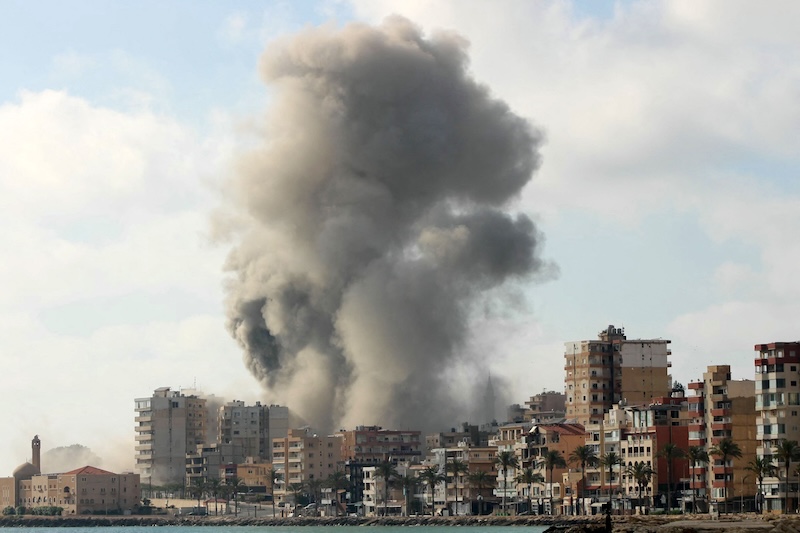
The casualties from recent Israeli strikes have been concentrated in southern Lebanon, with detailed reports providing specific numbers for those killed and injured in the affected zones.[2][3][4] Xinhua reports at least seven killed in airstrikes on southern Lebanon, focusing attention on this region's vulnerability.[3] Broader health ministry data from Anadolu Agency indicates nearly 2,600 killed overall from Israeli attacks since March 2, with more than 8,000 injured, though recent incidents align with the southern focus.[4]
Southern Lebanon emerges as the primary affected area, where airstrikes have inflicted direct harm.[3] The seven fatalities noted in the Xinhua update exemplify the human cost in this specific locale, likely involving residential or populated zones given the nature of airstrikes.[3] Local media reports cited in Al Jazeera corroborate the scale, tying into the total injury figures exceeding 8,000 nationwide but with recent emphasis on the south.[2] The Lebanese Health Ministry's figures, as relayed by Anadolu, provide official validation for the nearly 2,600 deaths, suggesting a cumulative burden heavily borne by southern communities.[4]
These casualty reports underscore the disproportionate impact on southern Lebanon, where strikes have persisted.[3] The combination of immediate deaths—seven in one documented case—and the overarching injury toll illustrates the strikes' reach beyond fatalities.[2][4] Health ministry data points to a sustained crisis, with injuries likely straining local medical resources in the south.[4] Reports consistently frame these areas as hotspots, with airstrikes delivering precise but deadly outcomes.[3]
{IMAGE_2}
Cumulative Casualties Since March 2
Since March 2, Israeli attacks on Lebanon have resulted in a staggering toll, with at least 2,586 people killed and more than 8,000 wounded, as reported by local media and confirmed by official sources.[2][4] Al Jazeera cites local media reporting these figures, placing the onset of intensified attacks from that date.[2] Anadolu Agency provides a near-identical count, attributing nearly 2,600 deaths and over 8,000 injuries to data from the Lebanese Health Ministry.[4]
This cumulative tally represents the broader context of the conflict, dwarfing recent strike numbers and highlighting a prolonged period of violence.[2][4] The precision in reporting—2,586 killed per Al Jazeera and nearly 2,600 per Anadolu—demonstrates consistency across outlets, rooted in local media and health ministry statistics.[2][4] Injuries surpassing 8,000 indicate not only deaths but widespread harm, potentially affecting thousands of families across Lebanon.[2][4]
The period since March 2 marks a critical phase, with these figures accumulating through repeated attacks.[2][4] Lebanese Health Ministry involvement lends credibility, as their data feeds into both reports.[4] This overview of totals contextualizes individual strikes, showing how recent events in southern Lebanon contribute to an escalating overall count.[2][4] The numbers suggest a humanitarian strain, with deaths and injuries reflecting sustained military engagements.[2][4]
International Responses
International reactions to the strikes in Lebanon have been swift and varied, with key players expressing concern over the ceasefire's integrity.[1][2] The United States Embassy in Lebanon has urged a meeting between the Lebanese president and the Israeli prime minister, directly responding to the strikes that killed 17 people despite the ceasefire.[1] This call for talks positions the U.S. as a mediator amid the violence.
Iran has described the situation as "intolerable," a strong condemnation tied to the ongoing attacks.[2] Former U.S. President Donald Trump has added to the discourse by suggesting that war might resume, injecting a note of potential escalation into the international commentary.[2] These responses from Iran and Trump highlight divergent perspectives: outright rejection from Tehran and a warning of renewed conflict from the former U.S. leader.[2]
The U.S. urging of bilateral talks stands out as a proactive diplomatic measure, linked explicitly to the recent fatalities.[1] Iran's "intolerable" label amplifies regional outrage, while Trump's statement evokes memories of prior U.S. policy stances on the conflict.[2] Together, these voices underscore global stakes, with the U.S. pushing dialogue and others signaling alarm.[1][2]
{IMAGE_3}
Ceasefire Violations and Escalations
Instances of ceasefire violations have been evident in the recent strikes, with Israeli actions continuing in southern Lebanon despite the agreement.[1][5] The United States Embassy notes that strikes killed 17 people even as the ceasefire held nominally, framing these as breaches.[1] Al Jazeera reports nine killed in southern Lebanon under these circumstances, with attacks and threats escalating.[5]
The Lebanese government has called out Israel's ceasefire violations following these attacks, emphasizing official recognition of the infractions.[5] Escalations include not only the strikes but ongoing threats, intensifying the situation in the south.[5] These violations—strikes post-ceasefire—demonstrate operational persistence.[1][5]
Reports detail a pattern: airstrikes in violation, leading to deaths and governmental protests.[1][5] The nine killed and escalating threats per Al Jazeera, combined with the 17 total, illustrate the scale of non-compliance.[1][5] Lebanese statements reinforce the narrative of repeated breaches.[5]
Calls for Diplomacy
Efforts to address the conflict through diplomacy have centered on high-level meetings, with the United States leading the push.[1] The U.S. Embassy in Lebanon has urged direct talks between the Lebanese president and the Israeli prime minister, a response to the strikes that killed 17 amid the ceasefire.[1] This call represents a structured approach to de-escalation.
The emphasis on a presidential-prime ministerial meeting suggests intent for top-tier negotiation.[1] Linking this directly to the recent strikes underscores urgency.[1] Such diplomatic overtures aim to reinforce the ceasefire and prevent further violations.[1]
What to watch next
Observers should monitor potential outcomes from the U.S.-urged meeting between the Lebanese president and Israeli prime minister, as well as any resumption of hostilities warned by former President Trump, amid ongoing ceasefire challenges highlighted by Lebanese authorities.[1][2][5]