
War in Ukraine: Ukraine Charges Russian Serviceman for Bucha Civilian Shooting
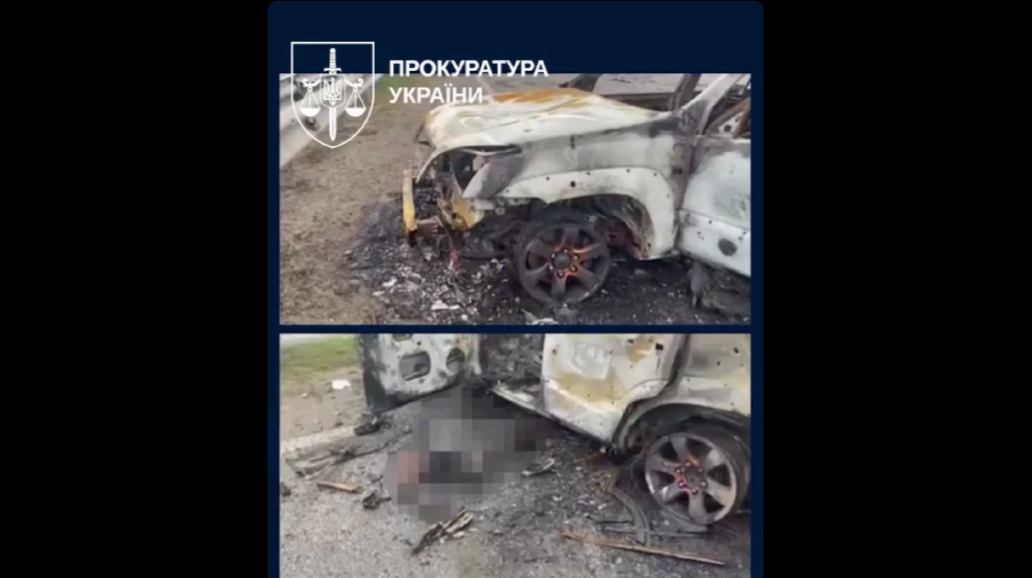
In the ongoing war in Ukraine, the Office of Prosecutor General has released evidence of another Russian war crime in Bucha, charging a Russian serviceman in absentia for shooting a civilian in the Bucha district on the Kyiv–Chop motorway in 2022.[1] This development underscores continued investigations into atrocities committed during the conflict, as Ukrainian authorities pursue accountability for specific incidents documented in the region.
Recent War Crime Allegations in Bucha
Ukraine's Office of the Prosecutor General has taken significant steps in documenting and prosecuting alleged Russian war crimes, with a focus on events in Bucha. The office has released evidence detailing another such incident, filing charges in absentia against a Russian serviceman responsible for shooting a civilian.[1] This particular case centers on an event that occurred in the Bucha district along the Kyiv–Chop motorway in 2022, a period when Russian forces occupied parts of the area near Kyiv.[1]
The release of this evidence by the Prosecutor General's Office highlights the methodical approach Ukrainian authorities are employing to build cases against individuals involved in violations during the occupation. The in absentia charges indicate that the legal process is advancing despite the suspect's absence, allowing for formal documentation and potential future trials.[1] Bucha has been a focal point for investigations into war crimes since Russian forces withdrew, with multiple reports of civilian targeting emerging from the district. This latest allegation adds to the body of evidence compiled by Ukrainian prosecutors, emphasizing the shooting of a civilian as a direct act attributed to the serviceman.[1]
Details from the evidence point to the specificity of the incident, located precisely on the Kyiv–Chop motorway, a key route in the region.[1] The Prosecutor General's actions reflect a commitment to cataloging these events through official channels, ensuring that each claim is supported by released materials. This process not only serves legal purposes but also contributes to the international record of events in Bucha during 2022.[1] As investigations continue, such charges maintain pressure on those accused, even remotely, reinforcing the narrative of accountability in the conflict.[1]
Ceasefire Proposal from Russia
{IMAGE_2}
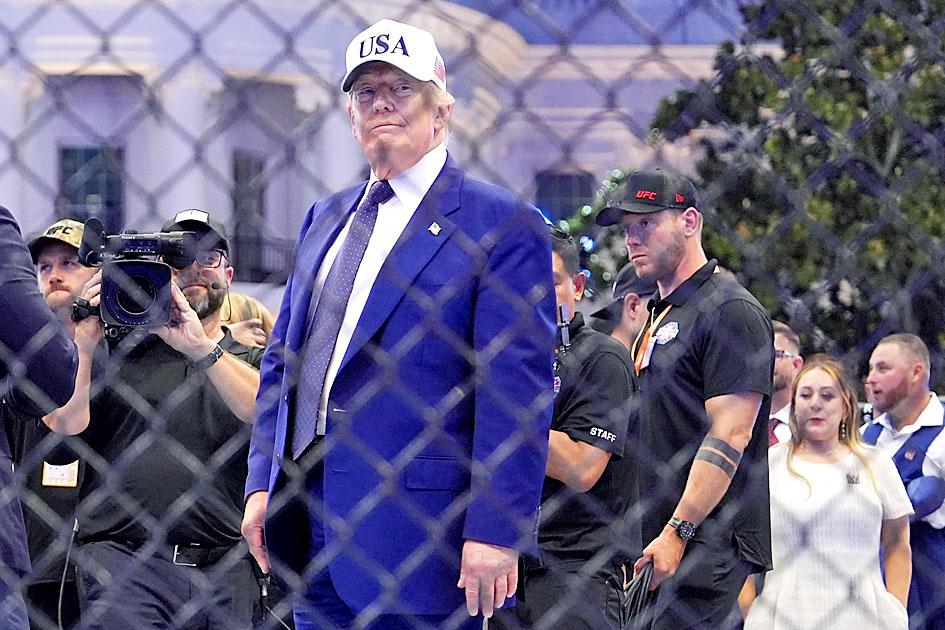
The Kremlin has articulated a clear position regarding a proposed ceasefire tied to 9 May, stating that Vladimir Putin will make the decision unilaterally without requiring any response from Ukraine.[2] Dmitry Peskov, speaking on behalf of the Kremlin, emphasized that the choice on implementing this ceasefire in the war with Ukraine rests solely with Putin.[2] This stance positions the proposal as one-sided, where Ukraine's input is deemed unnecessary by Russian officials.[2]
Peskov's comments outline the Kremlin's view that Putin's authority extends to determining the timing and nature of any pause in hostilities, specifically linked to the 9 May date, which holds symbolic significance in Russia.[2] The absence of a need for Ukraine's response suggests a lack of negotiation framework from the Russian side, framing the ceasefire as an internal decision rather than a mutual agreement.[2] This development comes amid ongoing military activities, highlighting the divergent approaches to de-escalation between the involved parties.[2]
The proposal's characterization, including the use of quotes around "ceasefire" in reports, reflects the Kremlin's phrasing as conveyed through Peskov.[2] By centralizing the decision-making with Putin, the statement underscores a top-down approach to any potential halt in fighting, independent of Ukrainian positions.[2] This position has implications for how such initiatives are perceived, as it bypasses standard diplomatic reciprocity typically expected in ceasefire discussions.[2]
Demining Efforts in Central Ukraine
Near the village of Myrotske in central Ukraine, comprehensive mine clearing operations are actively underway to address hazards left from the Russian occupation.[3] Teams of mine clearers, numbering around a dozen, are methodically advancing in coordinated rows, employing metal detectors swept in unison ahead of them, reminiscent of reapers working through a field of wheat.[3] Their efforts are directed at rendering woods and fields safe from mines and unexploded ordnance (UXO) abandoned after Russian forces occupied the area.[3]
These operations combine human expertise with machinery and artificial intelligence (AI) to enhance safety and efficiency in clearing contaminated zones.[3] The painstaking progress—moving forward deliberately to cover every inch—demonstrates the high-risk nature of the task, where precision is paramount to prevent accidents.[3] Myrotske's location in central Ukraine places it within regions that experienced direct occupation, leaving behind a legacy of explosive remnants that threaten civilian life and agricultural recovery.[3]
The integration of man, machine, and AI represents a modern approach to demining, allowing for detection, neutralization, and mapping of threats across diverse terrains like dense woods and open fields.[3] Each step forward by the teams contributes to reclaiming land for safe use, addressing the immediate dangers posed by the ordnance.[3] These efforts are part of broader initiatives to mitigate the long-term impacts of occupation, ensuring that previously affected areas can be reinhabited and utilized without fear.[3] The visual of clearers in synchronized motion underscores the labor-intensive reality of post-occupation cleanup.[3]
Overview of Current War Situation
{IMAGE_3}
The current situation in the war in Ukraine integrates several key developments across legal, diplomatic, and humanitarian fronts. Ukrainian authorities, through the Office of the Prosecutor General, continue to pursue charges against Russian servicemen for specific war crimes, such as the 2022 civilian shooting in Bucha's district on the Kyiv–Chop motorway.[1] This legal action occurs alongside Russian statements on ceasefire prospects, where the Kremlin asserts that Vladimir Putin will decide on a 9 May pause independently, without needing Ukraine's response, as per Dmitry Peskov.[2]
Complementing these, demining operations near Myrotske in central Ukraine involve teams using human, mechanical, and AI methods to clear mines and UXO from woods and fields post-occupation.[3] Together, these elements paint a picture of protracted conflict: accountability efforts in liberated areas like Bucha, unilateral diplomatic posturing from Russia, and practical recovery work in occupied-then-released zones.[1][2][3]
The Bucha charges exemplify ongoing documentation of atrocities, with evidence release signaling sustained prosecutorial momentum.[1] Russia's ceasefire position introduces a layer of strategic signaling, tied to a specific date, yet framed without bilateral engagement.[2] Demining near Myrotske highlights the ground-level challenges of transition, where clearers' methodical advances address tangible remnants of invasion.[3] This multifaceted snapshot reflects a war marked by legal pursuits, diplomatic asymmetries, and infrastructural rehabilitation.[1][2][3]
In central regions, the combination of technologies in demining underscores adaptive responses to occupation's aftermath, while Bucha's case maintains focus on individual accountability.[1][3] The Kremlin's unilateralism on ceasefire adds to the dynamics of stalled negotiations.[2] Overall, these reports from Ukrainian and international sources provide a grounded view of the war's evolving contours.[1][2][3]
Implications of Reported Events
The reported events carry direct implications for accountability, diplomacy, and recovery in the war in Ukraine. The in absentia charges against the Russian serviceman for the Bucha shooting reinforce Ukraine's institutional capacity to document and prosecute war crimes, even against absent defendants, potentially setting precedents for international cooperation.[1] This action signals that incidents like the 2022 civilian killing on the Kyiv–Chop motorway will not fade from legal scrutiny, maintaining pressure on Russian forces.[1]
Russia's insistence that Putin alone decides on the 9 May ceasefire, without Ukraine's input, implies a strategy of independent timelines that could complicate peace efforts, as it dismisses reciprocal dialogue.[2] Peskov's remarks highlight a centralized decision-making model, which may affect perceptions of Russian intentions in de-escalation.[2]
Demining near Myrotske demonstrates proactive steps toward habitability, with the man-machine-AI triad enabling safer clearance of occupation-era hazards, directly impacting civilian safety and land usability in central Ukraine.[3] The reaper-like precision of teams in woods and fields points to the scale of contamination and the urgency of these operations.[3]
Collectively, these imply a war where legal mechanisms persist amid diplomatic standoffs and physical restoration begins.[1][2][3] Charges sustain narratives of justice, ceasefire rhetoric tests diplomatic waters unilaterally, and demining paves recovery paths.[1][2][3]
Key Facts in the War Ukraine
Amid the war Ukraine, several pivotal facts emerge from recent reports. The Office of the Prosecutor General of Ukraine has filed charges against a Russian serviceman for the Bucha incident, marking a targeted legal response.[1] Separately, the Kremlin has stated that Vladimir Putin will decide on the proposed 9 May ceasefire without requiring a response from Ukraine, emphasizing unilateral control.[2]
Mine clearing operations continue near Myrotske in central Ukraine, aimed at removing mines and unexploded ordnance from Russian occupation.[3] Involved teams employ a combination of humans, machines, and AI to clear affected areas including woods and fields, ensuring methodical safety.[3]
These facts encapsulate legal advancements, diplomatic positions, and humanitarian efforts in the war Ukraine context.[1][2][3] The Bucha charges detail a specific civilian shooting, the ceasefire note underscores Putin's sole authority, and demining illustrates technological integration for post-occupation cleanup.[1][2][3]
What to watch next includes Putin's forthcoming decision on the 9 May ceasefire as stated by the Kremlin,[2] progress in demining operations near Myrotske using combined methods,[3] and further developments in the Bucha war crime charges by Ukraine's Prosecutor General.[1]