Strike Lebanon: Israeli Airstrikes Kill at Least 7 in Southern Region Despite Ceasefire
Israeli airstrikes in southern Lebanon have killed multiple people despite an ongoing ceasefire, with the US urging talks between Lebanese and Israeli leaders. In the latest strike Lebanon developments, at least seven people were killed in Israeli airstrikes targeting southern Lebanon, as reported in recent updates.[3] Additional incidents have seen nine people killed in another strike and 17 people in yet another, all occurring amid the ceasefire.[1][5] The United States Embassy in Lebanon has called for a meeting between the Lebanese president and the Israeli prime minister to address the situation.[1] Since March 2, Israeli attacks have resulted in nearly 2,600 people killed and more than 8,000 injured, according to local media and the Lebanese Health Ministry.[2][4] Iran has described a related US ports siege as "intolerable," while former US President Trump has suggested that war might resume.[2] The Lebanese government has highlighted Israel's ceasefire violations through escalating attacks and threats.[5]
Overview of Recent Strikes
Recent Israeli airstrikes in southern Lebanon have drawn significant attention due to their timing amid an ongoing ceasefire. Reports indicate that at least seven people were killed in airstrikes targeting the southern region of the country.[3] This incident underscores the immediate human cost of the strikes, with updates confirming the casualties in the area.[3] Separately, Israeli actions resulted in the deaths of nine people in southern Lebanon, explicitly noted as occurring despite the ceasefire.[5] Another report details Israeli strikes that killed 17 people, further highlighting the pattern of attacks during this period.[1]
These strikes have taken place in a context where a ceasefire is supposed to be in effect, raising questions about compliance and escalation. The United States Embassy in Lebanon has responded by urging direct talks between the Lebanese president and the Israeli prime minister, emphasizing the need for dialogue as these strikes continue.[1] Local reporting and official statements point to a series of such incidents, each contributing to the toll in southern Lebanon.[5] The focus on southern Lebanon as a repeated target area illustrates the geographic concentration of these military actions.[3][5]
The impact of these recent strikes extends beyond the immediate casualties, as they occur against the backdrop of fragile truce conditions. Sources describe the attacks as part of ongoing military engagements that challenge the ceasefire framework.[1][5] Detailed accounts from the region provide a clear picture of the strikes' occurrence, with confirmation of deaths in multiple locations within southern Lebanon.[3] This overview captures the immediacy of the events, where airstrikes have directly led to loss of life shortly after ceasefire declarations.[1][3][5]
Recent Strike Incidents in Southern Lebanon
Building on the overview, specific strike incidents in southern Lebanon merit detailed examination for their role in the current crisis. One key event involved Israeli airstrikes that killed at least seven people in the southern region, as per updated reports from the area.[3] This strike exemplifies the direct targeting of populated areas, resulting in confirmed fatalities.[3]
In a closely related development, Israel killed nine people in southern Lebanon despite the ceasefire, with reports emphasizing the breach of the truce.[5] The incident is framed within broader escalations, including attacks and threats that have intensified in the region.[5] Furthermore, Israeli strikes claimed 17 lives in another instance, coinciding with calls for diplomatic intervention.[1] These numbers—seven, nine, and 17—represent distinct but interconnected events that have marked recent days.[1][3][5]
The pattern observed in these incidents reveals a consistency in targeting southern Lebanon, where airstrikes have repeatedly caused casualties.[3][5] Official and media coverage links these actions directly to the ceasefire period, noting their occurrence "despite" the agreement.[1][5] The United States' urging of a meeting between leaders comes in direct response to such strikes, positioning diplomacy as a counter to the military actions.[1] This section highlights how these specific strikes contribute to the overall narrative of ceasefire challenges, with each event adding to the reported deaths in the south.[1][3][5]

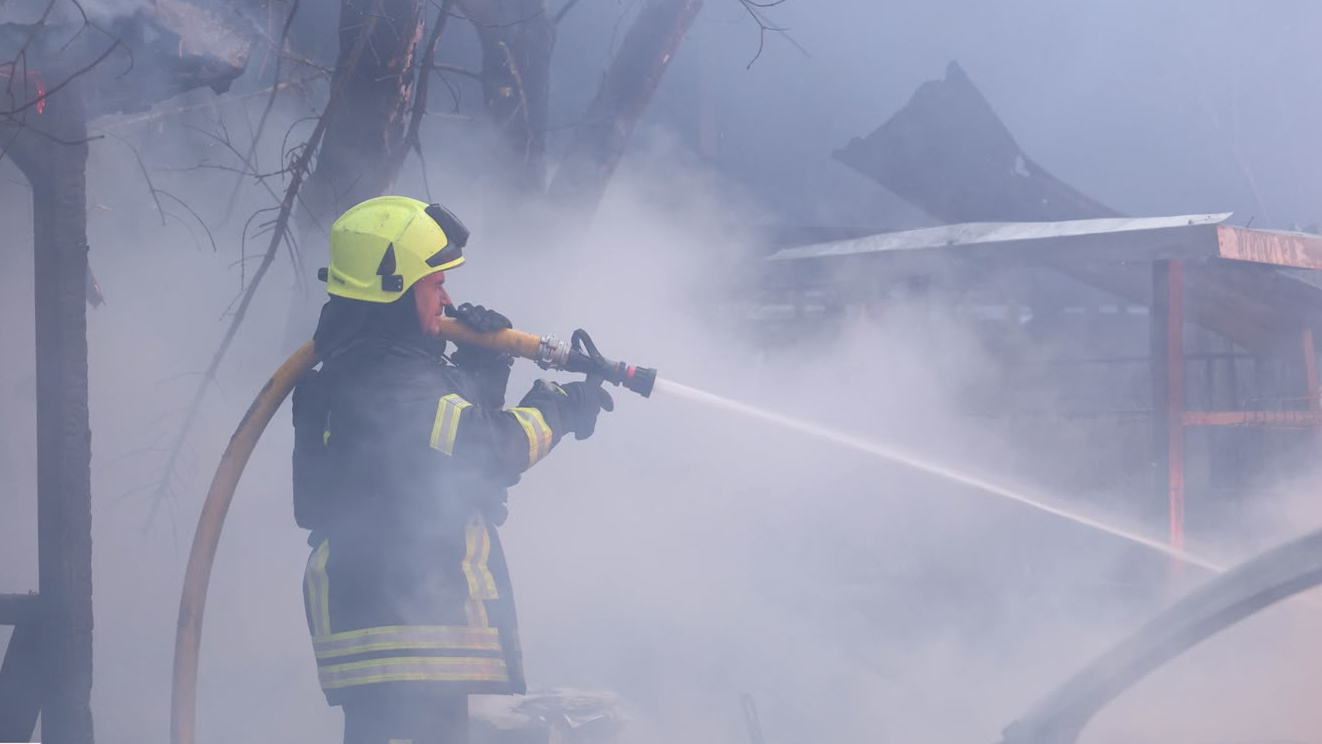
Israeli airstrikes in southern Lebanon have killed nearly 2,600 people since March 2. — Source: anadolu
Casualty Figures and Statistics
Comprehensive casualty figures from Israeli attacks in Lebanon provide a stark illustration of the conflict's toll since March 2. Local media reports indicate that Israeli attacks have killed at least 2,586 people and wounded more than 8,000 since that date.[2] This statistic is corroborated by data from the Lebanese Health Ministry, which states nearly 2,600 people killed and more than 8,000 injured in Lebanon from these attacks.[4]
These numbers reflect the cumulative impact over several months, beginning from March 2 onward.[2][4] The precision in reporting—at least 2,586 deaths and over 8,000 injuries—highlights the scale documented by local media.[2] Similarly, the Health Ministry's figures of nearly 2,600 killed align closely, underscoring reliability across sources.[4] The injuries, exceeding 8,000, indicate not only fatalities but also the broader human suffering from wounds requiring medical attention.[2][4]
Analyzing these statistics reveals a sustained level of violence, with deaths and injuries accumulating steadily since the specified start date.[2][4] The Lebanese Health Ministry's role in compiling these totals lends official weight to the reports, while local media provides ongoing updates.[4] This data serves as a baseline for understanding the conflict's severity, where the death toll approaches 2,600 and injuries surpass 8,000.[2][4] Such figures are critical for assessing the overall situation and informing responses.
International Responses
International actors have issued varied responses to the strikes and broader conflict in Lebanon. The United States Embassy in Lebanon has taken a prominent stance by urging a meeting between the Lebanese president and the Israeli prime minister.[1] This call for talks comes explicitly amid Israeli strikes that killed 17 people despite the ceasefire, positioning US diplomacy as a response to the immediate escalation.[1]
Complementing this, Iran has described a related US ports siege as "intolerable," linking regional tensions to the events.[2] Former US President Trump has weighed in by suggesting that war might resume, adding a perspective on potential future developments.[2] These statements reflect diverse international viewpoints on the crisis.
The US effort underscores a push for high-level dialogue between Lebanese and Israeli leaders, directly tied to the strikes' context.[1] Iran's comment on the ports siege introduces an element of broader geopolitical friction.[2] Trump's remark about possible war resumption contributes to the discourse on escalation risks.[2] Together, these responses highlight global attention on the Lebanon situation, with calls for talks contrasting warnings of renewed conflict.[1][2]

Israeli airstrikes in southern Lebanon kill nine people despite ceasefire. — Source: aljazeera
Ceasefire Violations
Reports of ceasefire violations center on Israeli attacks and threats in southern Lebanon. The Lebanese government has called out Israel's ceasefire violations, pointing to escalating attacks and threats.[5] This includes strikes that killed nine people in the south despite the ceasefire.[5]
Similarly, Israeli strikes killed 17 people amid the ongoing truce, as noted in conjunction with US calls for talks.[1] These incidents are framed as direct breaches, with the ceasefire's integrity repeatedly challenged.[1][5] The escalation described involves not only airstrikes but also threats, amplifying the violations.[5]
The Lebanese government's highlighting of these actions emphasizes the pattern of non-compliance.[5] Sources consistently note the "despite ceasefire" qualifier, indicating violations through continued military operations.[1][5] This section details how specific attacks—resulting in deaths—constitute the reported breaches, with official Lebanese statements underscoring the issue.[1][5]
Broader Context of the Situation
The broader context of the situation traces back to Israeli attacks since March 2, with cumulative casualties providing key insights. Local media report at least 2,586 killed and more than 8,000 wounded from these attacks.[2] The Lebanese Health Ministry confirms nearly 2,600 killed and over 8,000 injured, establishing a consistent timeline from March 2.[4]
This period marks sustained engagement, with the totals reflecting ongoing operations.[2][4] Recent strikes fit within this framework, adding to the overall figures while occurring under ceasefire conditions.[1][3][5] International comments, including Iran's on the US ports siege and Trump's on potential war resumption, add layers to the context.[2]
Key developments include the US push for leader meetings amid violations.[1] The Health Ministry's statistics ground the scale, while media reports track the progression.[2][4] This recap situates recent events within the March 2 onward timeline, without altering the established facts.[2][4]
What to watch next: Observers should monitor potential meetings between the Lebanese president and Israeli prime minister as urged by the US Embassy, alongside any further reports on ceasefire compliance and casualty updates from the Lebanese Health Ministry.[1][4]