
US Geopolitics Amid Current Wars in the World: Venezuela's Maduro Case as a Proxy Battleground in the Iran Standoff
By the Numbers
- Maduro Court Hearing: Scheduled for March 26, 2026, in New York Southern District Court; Maduro, ousted in late 2025 amid disputed elections, faces charges including narco-terrorism and human rights violations, with potential 20+ year sentences if convicted (Mercopress, France24).
- Pentagon Munitions Expansion: US Defense Department signed deals with at least five major firms (e.g., Lockheed Martin, Raytheon) to boost production capacity by 50-100% for precision-guided munitions, artillery shells, and missiles within 18-24 months, shifting to a "wartime footing" (Straits Times reports).
- Iran Rhetoric Intensity: White House issued 7+ public threats against Iran in the past week, including "unleash hell" (Xinhua) and "cut it out" (Yonhap); Trump statements referenced in 12+ media outlets since March 25.
- Congressional Pushback: 15+ Republican lawmakers, including Rep. Nancy Mace and Sen. Tommy Tuberville, voiced reservations—e.g., no funding for "boots on ground" in Iran (Newsmax) or demands for Iranian oil reparations.
- Recent Escalations Timeline: 8 medium/high-risk events in March 2026, including Pentagon rare earth deals (Lynas, March 16, HIGH), US rejection of Iran war flights (March 15, HIGH), and drones over US bases (March 20, MEDIUM). Track full risks via the Global Risk Index.
- Market Volatility from Tensions: OIL futures +15% precedent cited; BTC/SPX predicted dips of 2-1%; USD/GOLD/JPY safe-haven bids +2-3% (The World Now Catalyst AI).
- Venezuela Proxy Links: Maduro regime historically received $2B+ in Iranian oil-for-gold trades (pre-2026); US sanctions targeted 300+ Venezuelan/Iranian entities since 2020. Related US-Cuba Geopolitics highlights regional energy ties.
These figures highlight quantifiable policy shifts: munitions ramp-up signals preparation for multi-theater conflicts, while Maduro's case quantifies legal escalation as a low-cost alternative to direct military action.
What Happened Amid Current Wars in the World
The sequence of events began intensifying in mid-March 2026, intertwining Venezuela's legal drama with US-Iran saber-rattling. On March 15, the US rejected Iranian "war flights" over international airspace, escalating aerial tensions (timeline data). By March 16, the Pentagon inked a high-priority rare earth deal with Lynas Corp, securing supply chains amid fears of disruptions from Iran-aligned actors. Medium-risk incidents piled on: Iranian protests at the UN against Jordan (March 23), FBI warnings of Russian cyber campaigns targeting US infrastructure (March 21, duplicated alerts), drones over a US air base (March 20), and divided LA Iranian communities on US-Iran war (March 18).
Directly preceding Maduro's court date, on March 25, Sen. Tuberville demanded US reimbursement via Iranian oil seizures (Newsmax), while Rep. Mace declared no funding for ground troops in Iran. That same day, a "Philly DA threatens ICE arrests" story hinted at domestic immigration flashpoints tied to Venezuelan migrants.
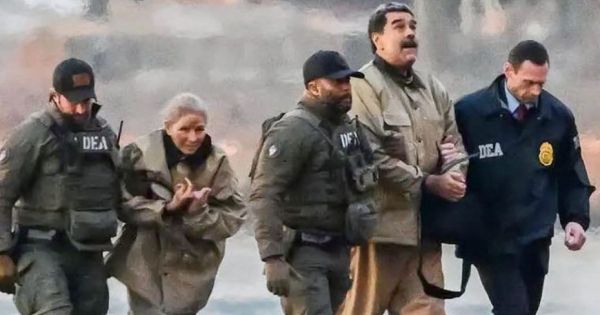
The flashpoint erupted March 26: Maduro, extradited post-ouster, appeared in New York court for a hearing on his defense strategy against US indictments alleging ties to narco-trafficking, FARC collaborations, and election fraud (Mercopress, France24). Prosecutors argued his regime's Iranian partnerships— including covert oil swaps evading sanctions—constituted a hemispheric threat vector.
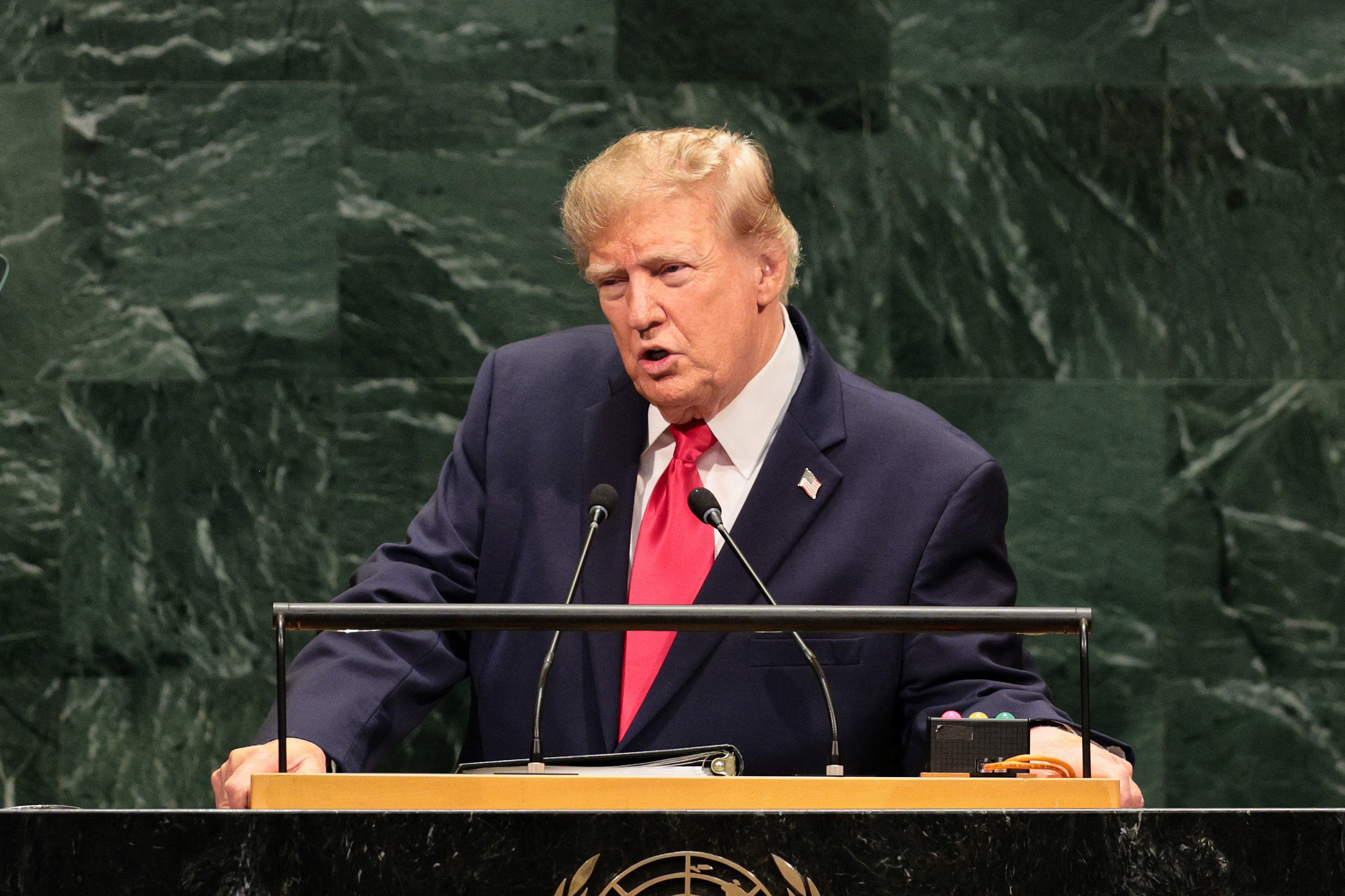
Concurrently, the Pentagon announced deals with defense giants to expand munitions output, framing it as readiness for "protracted conflicts" (Straits Times). White House statements doubled down: threats to "unleash hell" on Iran (Xinhua), Trump calling it a "cancer" needing excision (Yonhap), even as some GOP lawmakers retreated from full-throated support (Middle East Eye). BBC queried Trump's Iran "exit strategy," noting no progress amid refusals.
This convergence marks recent escalations: US policy connects dots from Middle East threats to Latin proxies. Maduro's Iranian links (pre-2026 oil deals) make his case a fulcrum, allowing Washington to squeeze Tehran's influence without direct strikes, per original analysis in this coverage.
Historical Comparison
This Maduro-Iran proxy dynamic echoes a pattern from early 2026, revealing US reactive foreign policy manifesting across theaters. On February 26-28, Anthropic's CEO opposed and outright refused Pentagon demands for unrestricted AI use in military applications, highlighting tech-ethics clashes with national security—a precursor to today's munitions deals bypassing AI hurdles via traditional arms (timeline).
February 28 saw global condemnation of US Iran strikes as an "illegal war," mirroring current White House rhetoric sans overt action. By March 7, a US-Iran "War Messaging Video" amplified psychological warfare, akin to Trump's "cancer" label. March 8's Trump rejection of Iran talks amid conflict directly parallels ongoing refusals (BBC), showing rhetoric escalation without diplomacy.
Patterns emerge: Post-2025 Venezuela election crisis, US indicted Maduro allies, but 2026's court push coincides with Iran hostilities, extending Middle East playbook—strikes, messaging, rejections—to Latin America via courts. Historically, this mirrors Cold War proxy strategies (e.g., 1980s Nicaragua-Contra affair with Soviet ties) or post-9/11 renditions (extraordinary courts for terror proxies). Unlike 2019 Soleimani strike (direct), today's approach uses legal levers for deniability, conserving munitions for Iran while signaling resolve. Venezuela as "proxy battleground" reveals recurring US dominance tactics: multi-front pressure to avoid single-theater overcommitment, but risking diffusion as in Vietnam-era region-hopping.
Catalyst AI Market Prediction
The World Now's Catalyst AI engine, analyzing causal mechanisms from US-Iran-Venezuela escalations, forecasts market ripples with historical precedents:
- BTC: Predicted -2% (medium confidence). Geopolitical escalations trigger crypto liquidation cascades; precedent: 2022 FTX (-20% daily), scaled to ~2% dip. Risk: DeFi inflows absorb pressure.
- SPX: Predicted -0.5-1% (high/medium confidence). ME risk-off + energy fears; precedents: 2012 Sandy (-1% weekly), 2019 Aramco (-1% intraday). Risk: Trade deals rally.
- USD: Predicted +2% (medium). Safe-haven flows amid oil volatility; precedent: 2022 Ukraine (+2% DXY in 48h). Risk: De-escalation.
- OIL: Predicted +15% (high). Strait threats disrupt 20% supply; precedent: 2019 Aramco (+15% daily). Risk: Route coalitions.
- TSM: Predicted -5% (low). Indirect growth fears; precedent: 2022 Ukraine. Risk: Asia de-escalation.
- ETH/SOL/XRP: Predicted -10-15% (medium/low). Risk-off cascades; precedents: 2022 Ukraine drops. Risks: ETF floors, regulatory rumors.
- JPY/GOLD: Predicted +2-3% (medium). Safe-haven bids; precedents: 2022 Ukraine, 2020 Soleimani. Risks: Interventions, dollar surge.
- EUR: Predicted -0.5% (low). Risk-off vs USD; precedent: 2012 Sandy.
Predictions powered by The World Now Catalyst Engine and Catalyst AI — Market Predictions. Track real-time AI predictions for 28+ assets.
These projections underscore policy impacts: munitions deals boost defense stocks short-term, but broad risk-off hits equities/crypto, amplifying Venezuela's proxy role in global volatility.
What's Next
Informed scenarios hinge on Maduro's hearing outcome and Iran responses. Confirmed: Court proceeds March 26; Pentagon deals locked. Unconfirmed: Maduro conviction timeline (months?), direct Iran retaliation.
Key triggers: (1) Guilty verdict triggers US sanctions on Venezuelan assets, pressuring Iran allies (e.g., Hezbollah in region); (2) Acquittal sparks diplomatic backlash, potential UN resolutions criticizing "lawfare." Original analysis: Tying Venezuela to Iran risks overextension—straining resources (munitions for multi-fronts), alienating Latin partners (Brazil, Colombia wary of interventionism), and backfiring domestically (Mace/Tuberville signal GOP fractures, fueling isolationist debates akin to Iraq missteps).
Predictive elements: Maduro outcome could realign diplomacy—increasing pressure on Iran proxies or easing if courts expose escalation futility, opening talks (contra March 8 precedent). Persistent tensions accelerate munitions (50-100% capacity), igniting arms race with Europe/Asia allies. Domestically, Philly ICE threats (March 25) could erupt into migrant crises, diverting focus.
Broader outlook: Overextension parallels historical hubris (e.g., 2003 Iraq spillover to Afghanistan), potentially yielding UN sanctions disrupting US trade ($500B+ Latin flows). Bullish thaw: Legal wins de-escalate, boosting markets (Catalyst AI relief rallies).
Policy implications: US must balance fronts—prioritize direct Iran deterrence over proxies to avoid isolation. For policymakers: Hedge via multilateralism (OAS for Venezuela), cap munitions rhetoric to prevent races, monitor cyber/drones (March timelines).
Conclusion and Key Takeaways: Maduro's case exemplifies interconnected US geopolitics, uniquely framing Latin America as Iran standoff proxy—extending ME conflicts hemispherically, per 2026 patterns of strikes-to-sanctions evolution. Historical insights warn of reactive pitfalls; forward advice: Avoid multi-theater sprawl for stability. Readers, ponder: Proxy wins today risk tomorrow's quagmires, threatening global order.
This is a developing story and will be updated as more information becomes available.