US Drone Strike Targets Venezuelan Drug Facility Amid Ongoing Pressure on Maduro
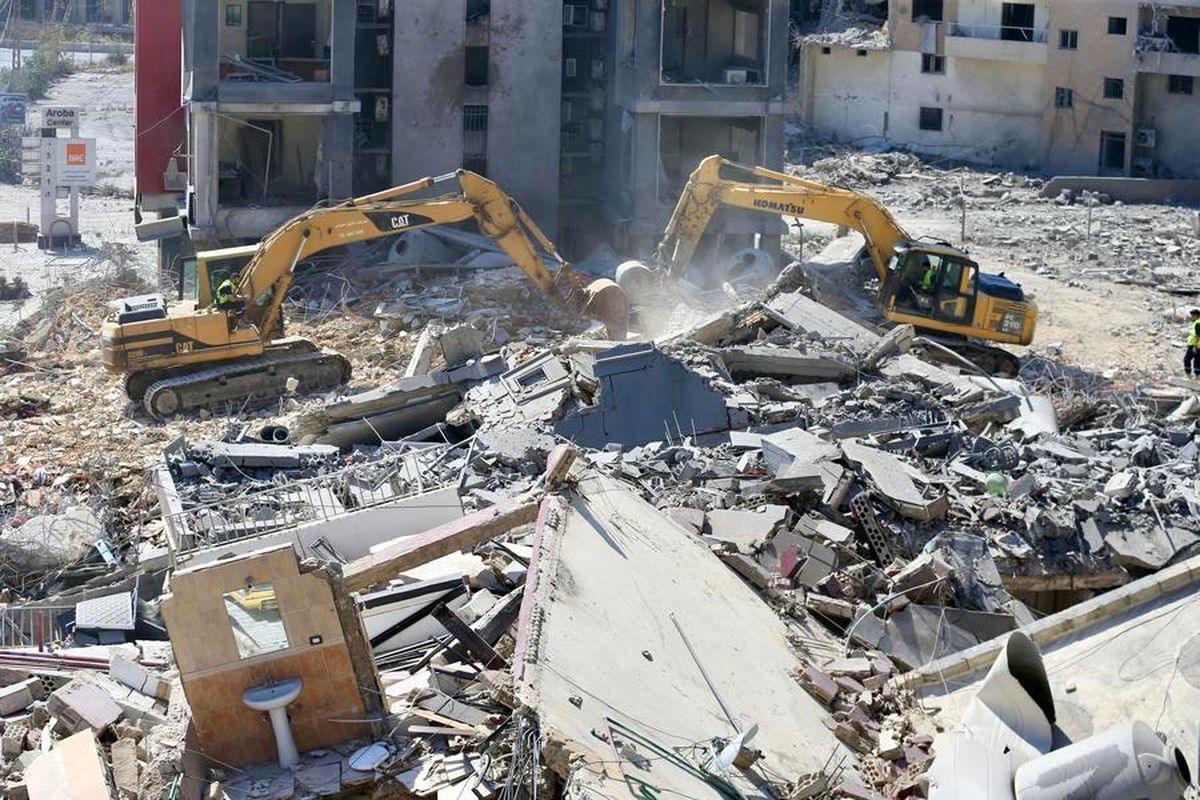
In a significant escalation of U.S. military involvement in Latin America, President Donald Trump announced a drone strike against a facility in Venezuela linked to alleged drug trafficking activities. The strike, which took place on December 31, 2025, is part of broader U.S. efforts to combat narcotics trafficking and apply pressure on the regime of Venezuelan President Nicolás Maduro.
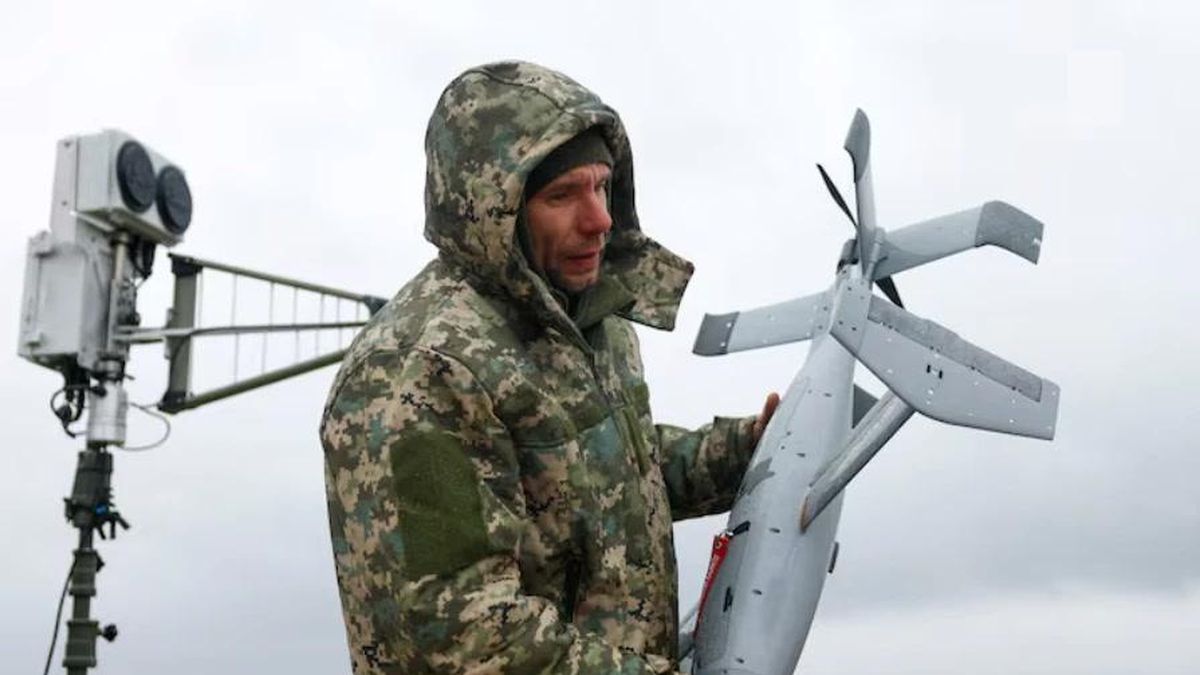
The drone strike was reportedly carried out by the CIA, targeting a location identified as a key node in the drug supply chain used by Venezuelan cartels. This operation aligns with recent U.S. military strategies aimed at disrupting drug trafficking routes that have reportedly been utilized to funnel narcotics from Venezuela into the United States and other countries.
Retired U.S. Army Lt. Col. Darin Gaub discussed the implications of the strike in an interview with Newsmax, stating that such military actions are intended to disrupt cartel operations and weaken Maduro's grip on power. "The U.S. strikes on suspected drug-trafficking boats in the Caribbean and eastern Pacific are disrupting cartel supply chains and placing new pressure on Venezuelan dictator Nicolás Maduro," Gaub remarked.
The move comes at a time when U.S.-Venezuela relations are at a low point, with the Maduro government facing international condemnation over its human rights record and accusations of corruption. The U.S. has long sought to curtail Venezuela's influence in the region, particularly concerning its support for drug trafficking and other illicit activities.
Context and Background
The U.S. has been involved in various operations aimed at addressing drug trafficking in the Caribbean and Latin America for decades. Venezuela, under Maduro's leadership, has been accused of becoming a major transit point for narcotics, particularly cocaine, which is often shipped to the United States and Europe.
In recent years, the Maduro regime has faced increasing scrutiny from both domestic and international entities as the country grapples with severe economic and political crises. Hyperinflation, widespread poverty, and mass emigration have led to calls for accountability and change within the country. The U.S. has imposed sanctions on Maduro and his associates, further isolating the regime.
The drone strike marks a notable shift in U.S. military tactics, showing a willingness to engage directly with targets linked to drug trafficking networks. This could have significant implications for U.S.-Latin American relations and the ongoing power struggle in Venezuela.
Conclusion
The recent U.S. drone strike against a drug facility in Venezuela represents a critical juncture in the ongoing conflict between the U.S. and the Maduro regime. As the U.S. intensifies its military efforts to disrupt drug trafficking operations, the ramifications of these actions could reverberate throughout the region, impacting not just drug cartels but also the stability of the Venezuelan government itself. The situation remains fluid, and further developments are expected as both sides respond to the evolving dynamics of this high-stakes confrontation.