
Ukraine Conflict Sees Net Territorial Gains in May as Strikes Disrupt Russian Supplies
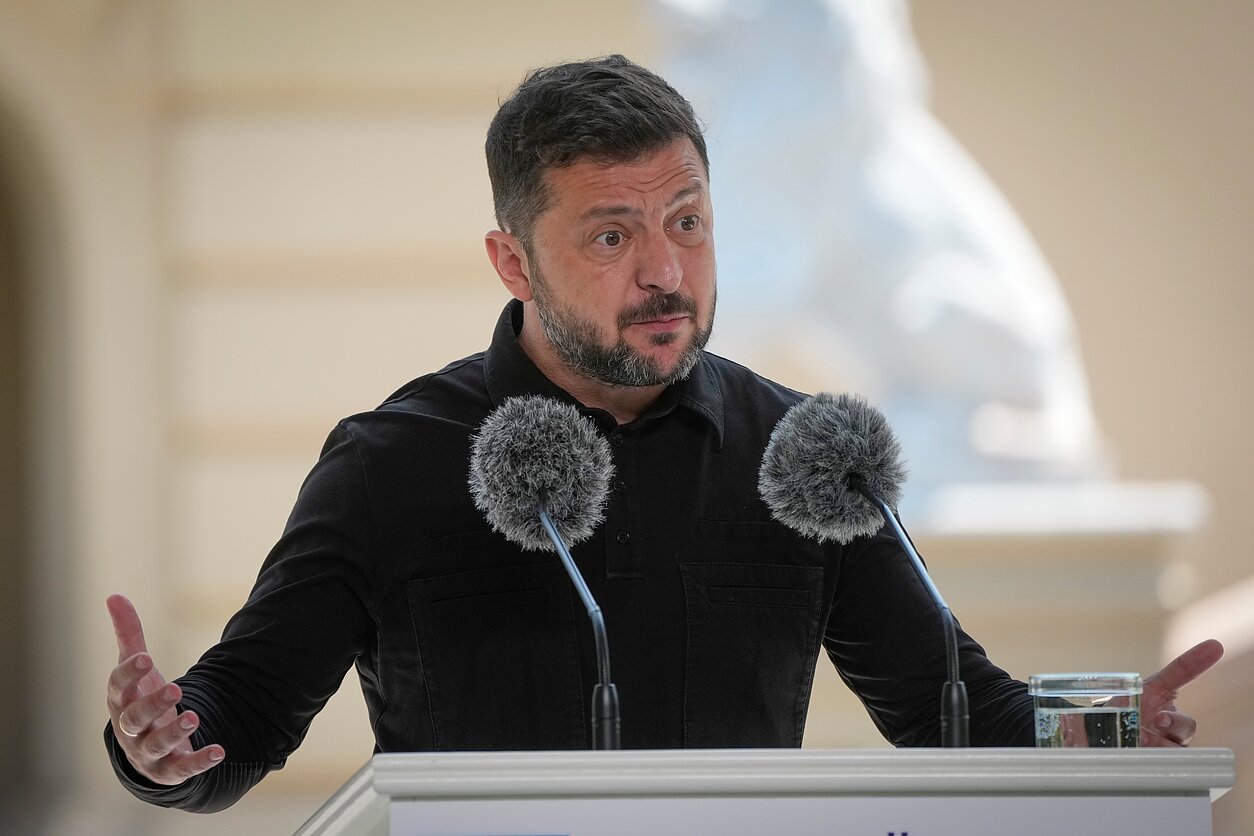
The Ukraine conflict has entered a phase of shifting momentum, with Ukrainian forces reporting a net territorial gain in May while doubling strikes on Russian logistics networks. Ukrainian commander-in-chief Oleksandr Syrskii stated that Ukraine reclaimed nearly 100 square kilometres more than it lost in May, with independent estimates ranging from 120 to 240 square kilometres net gain. [4] This development reverses prior Russian monthly advances according to multiple assessments. [2]
Territorial Changes on the Front Line
Ukrainian commander-in-chief Oleksandr Syrskii stated Ukraine reclaimed nearly 100 square kilometres more than it lost in May, with independent estimates ranging from 120 to 240 square kilometres net gain. [4] This reverses prior Russian monthly advances. [2] Ukrainian defence news outlet Militarnyi estimated net gains slightly higher at 120 square kilometres, citing sources within the military. [4] The Institute for the Study of War assessed Ukrainian gains higher still, saying Russia had seized or infiltrated 40 square kilometres in May but lost control of about 280 square kilometres. [4] Syrskii said Ukraine reclaimed 600 square kilometres during the first five months of 2026. [4] Russian forces have entered Kostiantynivka in Donetsk Oblast, raising flags in the southwestern part and potentially controlling up to 13 percent of the city. [5] Ukrainian officers warned it could fall by the end of summer due to pressure on new brigades. [5] Russian forces first infiltrated parts of the city last October. [4] The commander of one of the companies defending Kostiantynivka told Ukrainian journalists that the enemy has wedged itself into the city centre. [5] Estimates of the number of Russians in the city range from 100 to 250 according to three officers who spoke on condition of anonymity. [5] It is quite possible that Kostiantynivka will be lost by the end of the summer, admitted the commander of one of the brigades fighting for the city. [5]
Escalation of Ukrainian Strikes on Russian Logistics
Ukraine doubled long-range strikes on Russian supply lines in May, hitting nearly 2,000 targets over 50 kilometres from the front. [4] This disrupted fuel and ammunition transport including via Crimea and reduced Russian military traffic on key routes by over 70 percent. [4] The number of hits on enemy targets at a distance of over 50 kilometres from the frontline has doubled, said Ukrainian Defence Minister Mykhailo Fedorov. [4] Weeks of attacks in the southern regions of Kherson and Zaporizhia reduced Russian military traffic by more than 70 percent along the M-14 motorway. [4] On 7 June regional authorities prohibited traffic along the M-14 altogether. [4] That forced Russian planners to route more supplies along two highways that reach Kherson and Zaporizhia via Crimea. [4] The following day Ukraine struck a bridge that shoulders the E105 over the Chonhar Strait. [3] On 9 June as about 50 Russian fuel and ammunition trucks were routed to the E97, Ukrainian forces ambushed and destroyed some of them at Armyansk. [4] Ukrainian strikes have caused severe fuel shortages in occupied Crimea, leading to rationing and abandoned Russian positions. [2] On 7 June Sevastopol occupation governor Mikhail Razvozhaev rationed fuel to 20 litres per car per day and later changed that to 20 litres per week. [4] The Ukrainian underground group Atesh said Russian units were abandoning their positions on the Kinburn Spit because they were running out of food and fuel. [4]

Vladimir Putin acknowledges Ukrainian strikes impacting Russian economy and society. — Source: aljazeera
AI Integration Transforming the Conflict
Both Ukraine and Russia are rapidly incorporating AI into military operations. [1] Ukraine aims for a unified battlefield operating system that processes data across a 1,200-kilometre front. [1] Russia uses AI to speed up planning of drone and missile attacks. [1] Danylo Tsvok, director of the AI Research Centre under Ukraine’s Ministry of Defence, said AI will create a completely new model of warfare that has already begun. [1] In three to five years if the conflict continues, AI systems will be connected into a unified network to monitor and coordinate the entire battlefield, turning the confrontation into a war between operating systems. [1] The centre was established in March this year at the direction of Defence Minister Mykhailo Fedorov. [1] Moscow is increasingly using AI in the planning of UAV and missile attack campaigns against Ukrainian cities, a senior Ukrainian air defence commander warned Reuters in April. [1] AI can help Russia significantly shorten the preparation time for each strike campaign. [1] Ukraine still maintains the principle that every final combat decision must be made by a human. [1]
Russian Responses and Economic Impact
Putin acknowledged economic damage from attacks on refineries and infrastructure but claimed Russia is recovering quickly. [2] Putin said the strikes are intended to sow confusion in society but will not succeed in either dividing society nor in causing economic harm at least not in the way they are aiming for. [2] Putin promised that Russia’s military will escalate attacks on the enemy’s infrastructure to discourage them from attacking Russian civilian facilities. [2] The Russian leader also said Moscow must improve its air defences. [2] Kremlin spokesman Dmitry Peskov acknowledged the Crimean fuel shortages earlier this week and promised that measures were being taken. [2] The Washington-based Institute for the Study of War noted the synergy between Ukraine’s longer-range attacks and those disrupting supplies to Crimea. [2] The long-range strike campaign is therefore reducing Russia’s production capacity while the midrange strike campaign is hurting Russia’s ability to transport the gasoline Russia is still able to produce. [2]

Ukrainian forces advance and reclaim territory while striking Russian logistics in Kharkiv region. — Source: aljazeera
Broader Technological and Strategic Context
Ukraine has become a testing ground for international AI firms. [1] Many technology companies are seeking real combat data to train AI models and want to test their systems in a real combat environment. [1] Some companies such as Palantir Technologies have provided data analysis platforms to Ukraine. [1] Kiev has also built the Brave1 Dataroom project to share battlefield data with allied countries. [1] Ukraine is developing systems like MEROPS and Flamingo missiles. [1] A Ukrainian FP-5 Flamingo cruise missile hit the VNIIR Progress arms plant in Cheboksary, which produces satellite navigation systems for Shaheds, KABs and jet-powered drones. [5] The Russians wrapped the entire factory in anti-drone netting, but it proved ineffective against the Flamingo’s one-tonne warhead. [5] Ukraine still maintains the human-in-the-loop principle for final combat decisions. [1]
Challenges in Russian Recruitment and Manpower
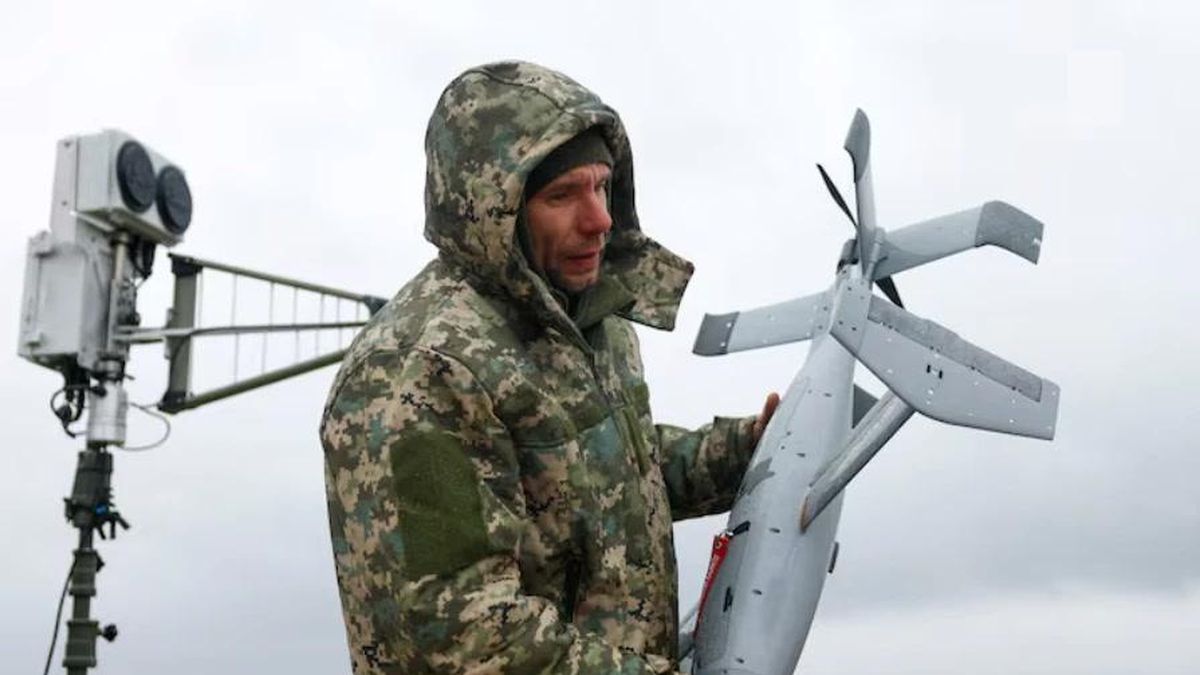
Aware of the Ukrainian drone threat, Russia has created unmanned systems units but appears to be having trouble manning them. [4] Since the beginning of the year 14,500 people have signed contracts to serve in these units. [4] Overall Ukraine has killed or wounded 12,500 more troops than Russia has been able to recruit this year. [4] Russian opposition source Vazhnye Istorii said 71,200 people had been paid enlistment bonuses in the first quarter of 2026 according to budget data, compared to almost 90,000 in the first quarter of 2025. [4] It estimated that recruitment in 2025 was already 10 percent lower than in 2024. [4]
What to watch next
Ukrainian short-and medium-range drones hit 180,000 targets in May, 12.7 percent more than in April. [4] Although Russia launched 25 percent more Shaheds in May compared to April, shoot-downs increased by 50 percent to about 4,000. [4] Fedorov expected a step-change in Shahed elimination once a new generation of interceptor goes into full production which automates 95 percent of the entire interception process. [4]