
Ukrainian General Warns AI Will Turn Russia War Into Contest Between Operating Systems
A senior Ukrainian military official warned that the war with Russia is evolving into a contest between AI-powered operating systems, as both sides accelerate integration of artificial intelligence into battlefield decision-making, while separate Israeli military actions continue in Lebanon and the West Bank.
AI Transforming Ukraine-Russia Battlefield
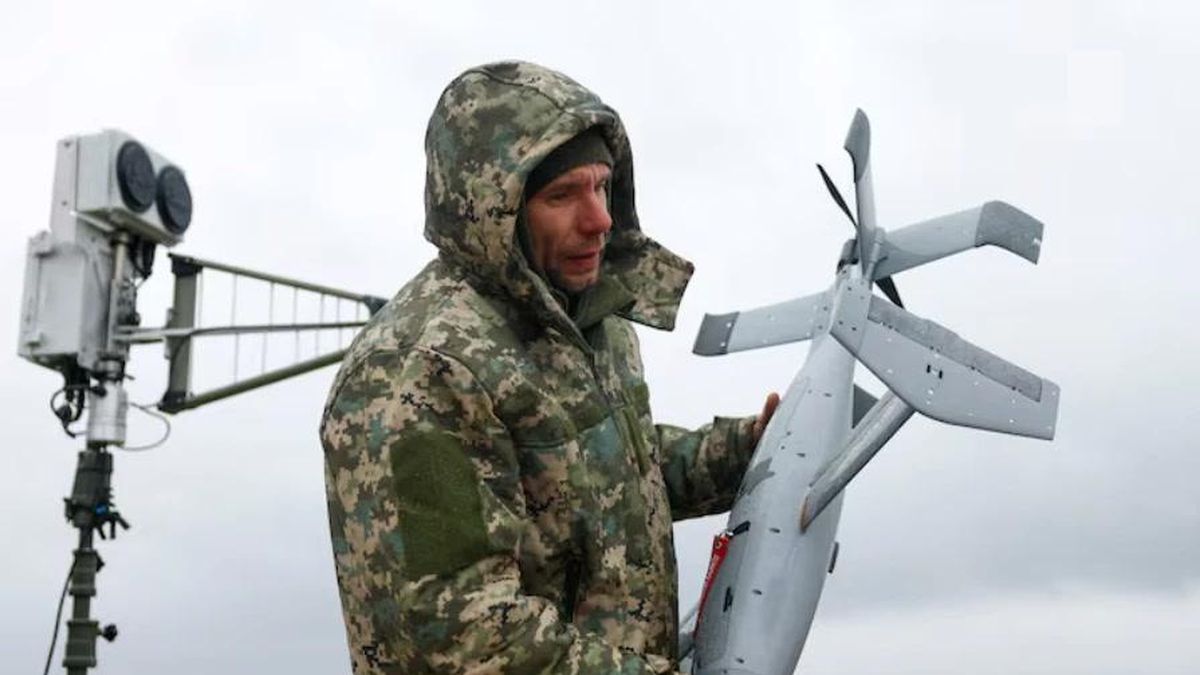
Danylo Tsvok, director of Ukraine's newly established AI research center under the Defense Ministry, stated that AI will create an entirely new model of warfare already underway and that in 3-5 years the conflict could become a "war between operating systems" where the side with superior data and decision-making prevails. [1] Ukraine has integrated AI into drone targeting, operational planning, and analysis of Russian missile strikes, and aims to build a unified battlefield operating system that processes data across a 1,200 km front to provide recommendations to human commanders. [1] The conflict has turned Ukraine into a testing ground for international AI companies seeking real combat data; projects like Brave1 Dataroom share battlefield data with allies, and firms such as Palantir have supplied analytics platforms. [1] Danylo Tsvok noted that AI participation in decision-making will further accelerate the targeting chain already shortened by drones. [1]
Ukraine's Push for Unified AI Command
The Defense Ministry AI center was established in March this year under the direction of Defense Minister Mykhailo Fedorov. [1] Ukraine's long-term goal is a unified battlefield operating system capable of supporting decisions from frontline units to strategic command levels. [1] This system would process and analyze massive data collected across the entire 1,200 km front and issue operational recommendations to human commanders. [1] The objective is to connect all weapons systems and data into one unified living body that operates synchronously, according to Danylo Tsvok. [1]

Israeli armoured vehicles advance through Balata refugee camp in the occupied West Bank. — Source: middleeasteye
Ukraine as Global AI Warfare Laboratory
International AI companies are drawn to the conflict for real combat data to train models and test systems in actual battlefield conditions. [1] Palantir Technologies has supplied data analytics platforms to Ukraine. [1] The Brave1 Dataroom project allows battlefield data to be shared with allied countries to support training of military AI systems. [1] Danylo Tsvok described the environment as the only place where companies can verify whether their systems actually work. [1]
Russian AI Advances and Ukrainian Response
Russia is advancing military AI by using it to shorten planning time for drone and missile attacks on Ukrainian cities. [1] Ukraine is racing to develop countermeasures while insisting that final combat decisions remain with humans. [1] A senior Ukrainian air defense commander previously warned that Moscow's AI use could significantly reduce preparation time for each strike campaign. [1] Danylo Tsvok emphasized that Ukraine must build and deploy its own solutions fast enough to gain battlefield advantage. [1]

Ukrainian military official warns AI will transform Russia war into contest between operating systems. — Source: aljazeera
Israeli Military Activity in Lebanon
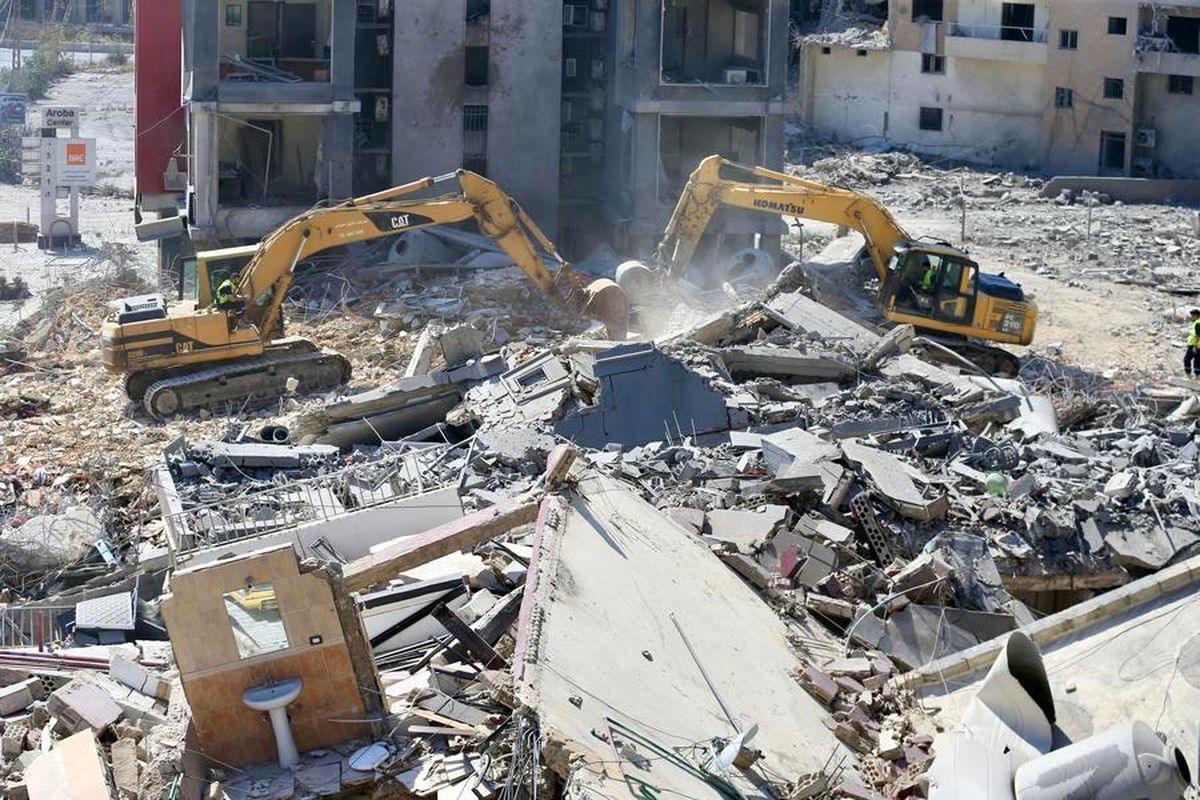
Israeli forces continued intense military activities in UNIFIL areas including armored convoys, infrastructure destruction, and logistics traffic. [2] On Thursday Israeli aircraft entered Lebanese airspace 72 times and conducted 8 strikes, one of which damaged Hiram Hospital and wounded 10 staff. [2] The strike on Hiram Hospital near Tyre marked at least the fifth such incident since clashes intensified on 2 March. [2] UNIFIL data recorded the 72 airspace entries and 8 air strikes on Thursday. [2] World Health Organization figures show 17 hospitals damaged across Lebanon, including three in Tyre, with 135 health and first-aid workers killed and approximately 400 injured. [2]
Operations and Tensions in the West Bank
Israeli operations occurred in multiple West Bank towns including Bethlehem, Tuqu, Immatain, Jit, Beita, and near Ramallah where settlers blocked roads. [3] In Bethlehem, forces entered through Beit Jala and deployed in several neighborhoods while firing tear gas and sound bombs at civilians. [3] Raids took place in Tuqu southeast of Bethlehem and in Immatain and Jit east of Qalqilya. [3] Clashes were reported in Beita during an incursion, and settlers erected barriers on a road near Ramallah restricting Palestinian movement. [3] The UN Security Council condemned the killing of a Serbian peacekeeper in Lebanon as part of a pattern endangering UNIFIL. [4]
What to watch next: Continued development of unified battlefield operating systems on both sides and further Israeli air activity in UNIFIL areas as reported by UNIFIL data.