
US Depletes 80 Percent of THAAD Interceptors in Iran War
The US military has used up virtually all of its long-range precision missiles including nearly 80 percent of THAAD interceptors and half its Patriot interceptors during five months of war with Iran, prompting concerns about readiness for other conflicts and influencing President Trump's decision to cancel further strikes.
Depletion of US Long-Range Missiles
The U.S. Army has used up much of its stockpile of highly accurate long-range missiles during its five-month war with Iran, according to three people familiar with the data, raising concerns about the military's readiness for future conflicts. [2] ATACMS and PrSM supplies have been heavily depleted during five months of fighting, while Patriot, THAAD and Tomahawk stocks have also fallen, fueling concerns over US readiness for possible conflicts with Russia or China. [3] The U.S. Army has used up much of its supply of highly accurate long-range missiles during the five-month war with Iran, including “virtually all” of two critical surface-to-surface weapons, three people familiar with internal stockpile data told Reuters. [3] The sharp decline in Army Tactical Missile Systems, known as ATACMS, and newer Precision Strike Missiles, or PrSMs, is raising concerns inside the Trump administration about the military’s ability to deter or respond to future crises involving Russia, China or other adversaries. [3] One person familiar with the matter said U.S. Central Command, which oversees American forces in the Middle East, has nearly exhausted the land-based missiles it possessed before the war began. [3] It has nevertheless been able to replenish some supplies by drawing weapons from U.S. military stockpiles elsewhere in the world. [3] The figures have circulated within the federal government over the past week during tense discussions over how long the U.S. can continue attacking Iran without reducing its arsenal to levels that would limit its response to another global crisis. [3] One source said the rapid use of ATACMS and PrSM missiles reflected a Trump administration decision to avoid riskier methods of attacking Iranian targets, including sending piloted aircraft to drop bombs. [3] PrSM stocks were already limited before the conflict because the missile is relatively new. [3]
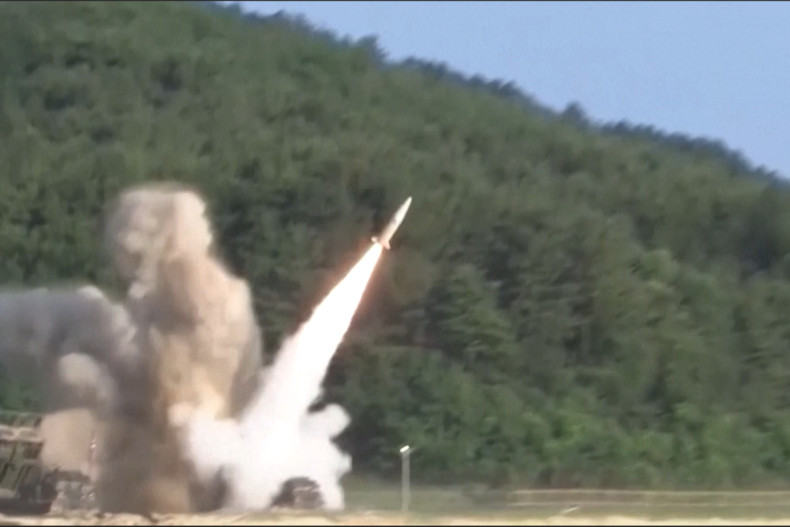
US military depletes nearly 80 percent of THAAD interceptors in five-month Iran war. — Source: bangkokpost
Exhaustion of Air Defense Interceptors
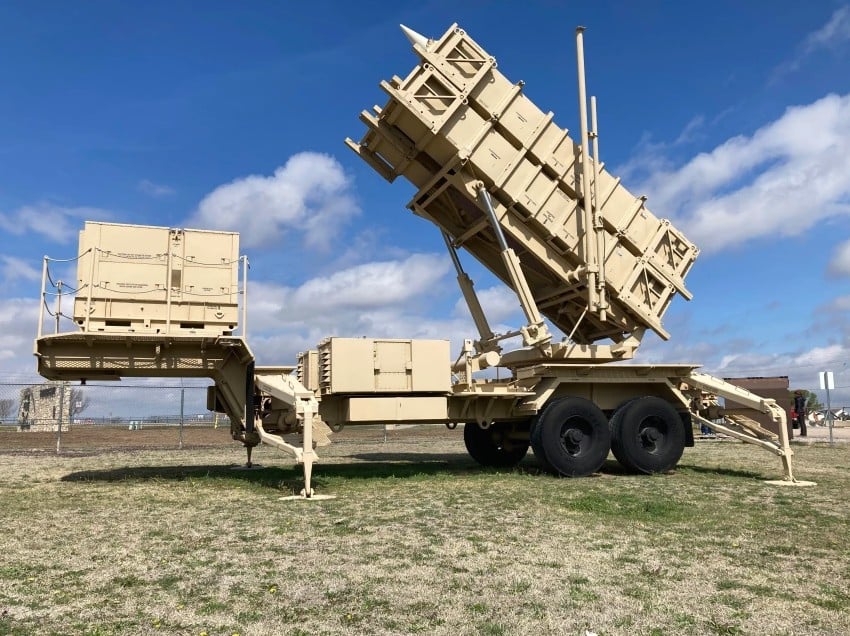
Američka vojska potrošila je blizu 80 odsto presretačkih raketa za jedan od svojih najvažnijih protivraketnih sistema, dok visoki vojni zvaničnici upozoravaju da su zalihe balističkih raketa dugog dometa pale na „opasno nizak nivo“. [1] Prema izveštajima analitičara i vojnih izvora, intenzivne vojne operacije i presretanja tokom sukoba sa Iranom ozbiljno su iscrpile američki arsenal protivvazdušne odbrane. [1] SAD su potrošile čak četiri petine svojih raketa za sistem THAAD (Terminal High Altitude Area Defense) u poređenju sa stanjem pre izbijanja sukoba. [1] Procenjuje se da je Vašington u rat ušao sa oko 450 projektila ovog tipa. [1] Takođe, prepolovljene su zalihe najmodernijih raketa za sistem Patriot, od ukupno 2.200 jedinica kojima su SAD raspolagale. [1] Ocenjuje se da su znatno smanjene i zalihe balističkih raketa dugog dometa (ATACMS), dok su zalihe popularnih krstarećih raketa Tomahavk smanjene za skoro polovinu. [1] According to two sources, since the outbreak of hostilities, the US military has consumed nearly four-fifths of THAAD missiles compared to pre-conflict inventory levels and used about half of the Patriot interceptors. [5] According to estimates by the Center for Strategic and International Studies, before the conflict with Iran broke out, the US possessed about 2,200 of the most modern Patriot missiles and about 452 THAAD missiles in stock. [5] A CSIS report published last week estimated that the U.S. expended about 65% of its Patriot interceptors between February and July. [3] The number of THAAD ballistic-missile interceptors in American stockpiles was estimated to be at least 38% lower than before the war. [3] The U.S. has also used slightly less than half of its global supply of Tomahawk cruise missiles since the war began, one source said. [3]
Impact on Strategic Decisions
Manjak raketa direktno utiče na strategijske odluke u Vašingtonu. [1] Prema izvorima iz administracije, podaci o pražnjenju arsenala predočeni su predsedniku Donaldu Trampu pre njegove odluke prošlog vikenda da otkaže planirani novi talas udara na ciljeve u Iranu. [1] Ovo je već drugi put u poslednjih nekoliko nedelja da vojni vrh izražava ozbiljnu zabrinutost zbog ugrožavanja sopstvenih odbrambenih kapaciteta. [1] Military leaders have also warned Trump for weeks that stocks of defensive weapons, including Patriot interceptors used against ballistic missiles, were dwindling, two sources said. [3] Several media outlets reported last week that Trump decided against another large-scale attack on Iran partly because military advisers warned him about diminishing U.S. stockpiles. [3] The extent of the depletion has not previously been reported. [3] The sources declined to disclose how many missiles remain and spoke on condition of anonymity. [3]
Allied Concerns and Production Limits
Istovremeno, partneri SAD u Persijskom zalivu izražavaju sve veći strah da bi nedostatak presretača mogao ostaviti njihovu infrastrukturu nezaštićenom u slučaju potencijalnih uzvratnih napada iranskih drona i raketa. [1] Predstavnici namenske industrije upozoravaju da se zalihe ne mogu brzo dopuniti. [1] Procenjuje se da će za vraćanje sistema THAAD na predratni nivo biti potrebno najmanje tri godine, budući da Pentagon mesečno dobija svega oko 15 novih raketa Tomahawk i oko 20 raketa za Patriot. [1] In addition, Arab countries in the Gulf region have expressed concern that the shortage of air defense systems could affect the capacity to counter potential retaliatory strikes from Iran. [5] Several officials said some countries in the region depend significantly on air defense systems supplied by the US. [5] They noted that the decline in interceptor missile stocks could reduce the effectiveness of defense against missile and drone attacks from Iran. [5] Raytheon has reached a preliminary multiyear agreement with the Pentagon aimed at increasing Tomahawk production, alongside efforts to boost production of other munitions as Washington races to replenish depleted reserves. [3]
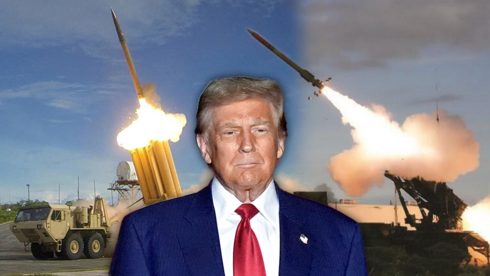
US military depletes nearly 80 percent of THAAD interceptors during five-month war with Iran. — Source: gdelt
Official US Statements
Zvaničnici iz Vašingtona, međutim, u javnosti nastoje da ublaže zabrinutost. [1] Portparol Pentagona Šon Parnel izjavio je da su SAD „najmoćnija vojna sila na svetu i da poseduju sve što je potrebno za izvršenje zadataka“, dok je portparolka Bele kuće Ana Keli poručila da vojska raspolaže sa „više nego dovoljno municije“ za ostvarivanje svih definisanih ciljeva. [1] Asked about the stockpile figures, the White House issued a statement from Trump saying the U.S. possessed “far more munitions than anyone in the world” and “far more than we need.” [3] “Our defense companies are, at this moment, making more munitions than they have ever made before, in addition to expanding their plants and equipment at record levels,” Trump said. [3] Pentagon chief spokesperson Sean Parnell said the U.S. military remained fully capable of carrying out Trump’s orders. [3] “America’s military is the most powerful in the world and has everything it needs to execute at the time and place of the President’s choosing,” Parnell said. [3] “We have executed multiple successful operations across combatant commands while ensuring the U.S. military possesses a deep arsenal of capabilities to protect our people and our interests.” [3]
American Public Opinion
Most Americans believe the Donald Trump administration has been unable to achieve its war objectives against Iran, according to a Marquette Law School poll released on Wednesday, as negotiations continue to reopen the Strait of Hormuz and end five months of hostilities. [4] A striking 88 per cent of respondents said the US had not achieved its goals in the war with Iran, up seven percentage points from April, while only 12 per cent believed it had met its objectives, down from 21 per cent. [4] The poll also found that 75 per cent considered the war with Iran not worth the cost, a slight increase from 72 per cent in April. [4] The findings were released amid intensified negotiations on Tuesday to reopen the strait, with Iran holding talks with neighbouring Oman and US officials voicing confidence that a resolution could be reached soon. [4] “There’s a conversation and a negotiation that we are involved in between Oman and Iran, on how more ships can be able to go through there safely in the short term,” US Secretary of State Marco Rubio said on Tuesday. [4] He added there had been “progress in talks, but not finality yet”. [4]
What to watch next: Negotiations continue between Iran, Oman and US officials to reopen the Strait of Hormuz safely in the short term, with officials voicing confidence that a resolution could be reached soon.