US Considers Diesel Export Ban as Global Prices Surge Near Records
Diesel Prices Spike Worldwide After Supply Shocks
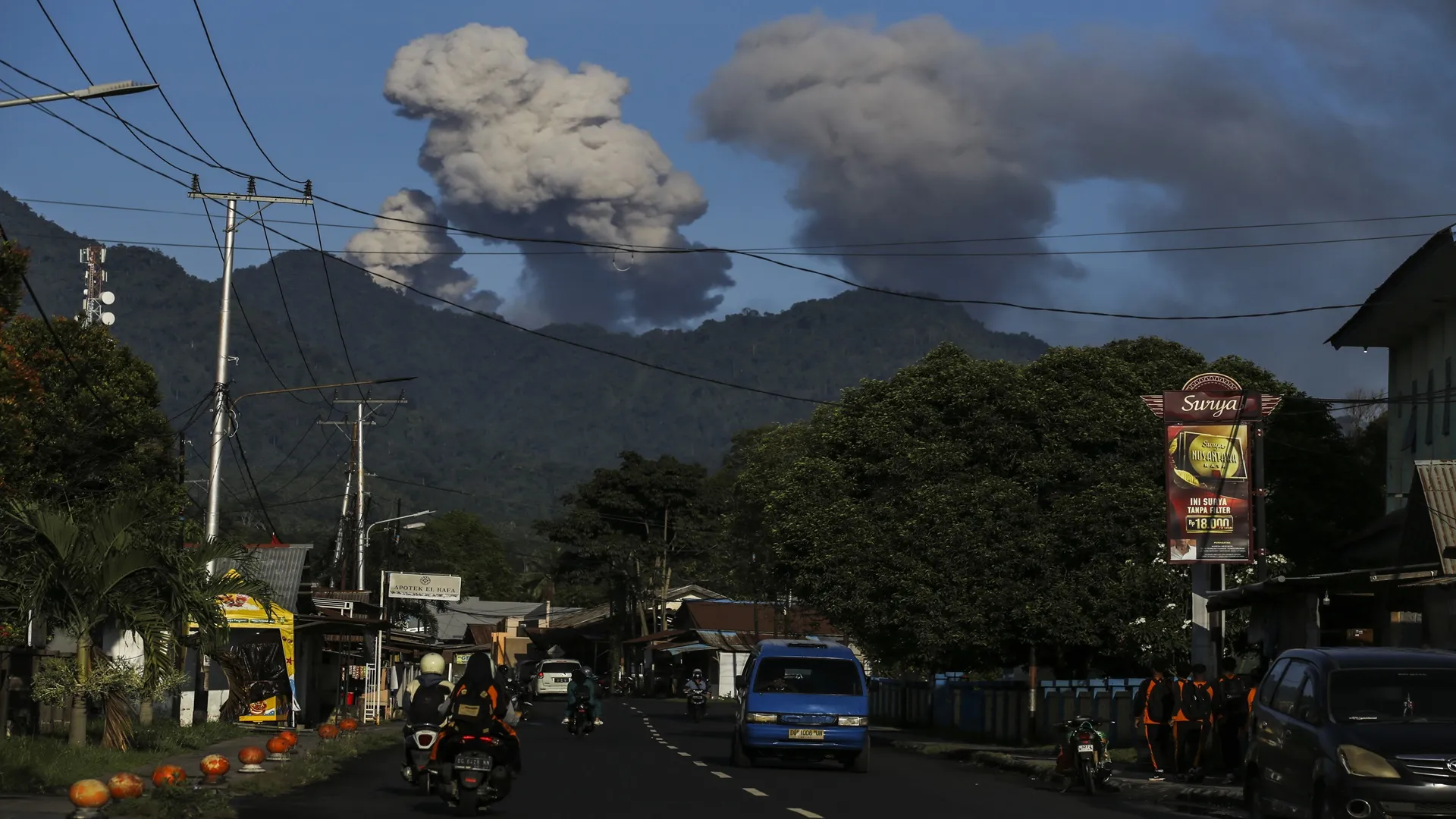
Diesel prices in the US have topped $7 per gallon in some regions like the West Coast. [1] Soaring energy prices are continuing to push US inflation up more broadly, with consumer prices in September jumping year-on-year by a higher-than-expected 3.7% and gas prices responsible for more than half of the most recent monthly increase. [1] A spike in diesel prices is hammering broad sectors of the US economy, especially agriculture and shipping. [1] Before the conflict with Iran erupted in February 2026, key diesel exporters included Russia, Middle Eastern producers, the United States and China. [1] Russia banned diesel exports in July 2026 after Ukrainian strikes knocked out more than half of Russia’s oil refinery capacity and destroyed many diesel storage-tank farms, turning the country into a net importer of refined oil products including diesel. [1] In the Middle East, crude oil prices surged following missile attacks against Iran at the end of February, and the Strait of Hormuz essentially shut down amid fears over Iran targeting commercial ships. [1] The threat to Hormuz shipping remains real, as seen by recent strikes by Iranian forces on multiple tankers in early October. [1] These shocks have changed the economics of petroleum shipments, with the price of transporting oil more than quintupled as tanker owners charge record fees. [1] Many ships are now loaded with crude oil rather than diesel after Iranian strikes knocked out a substantial share of Middle Eastern refining capacity. [1]
Political Pressure Mounts for US Export Ban
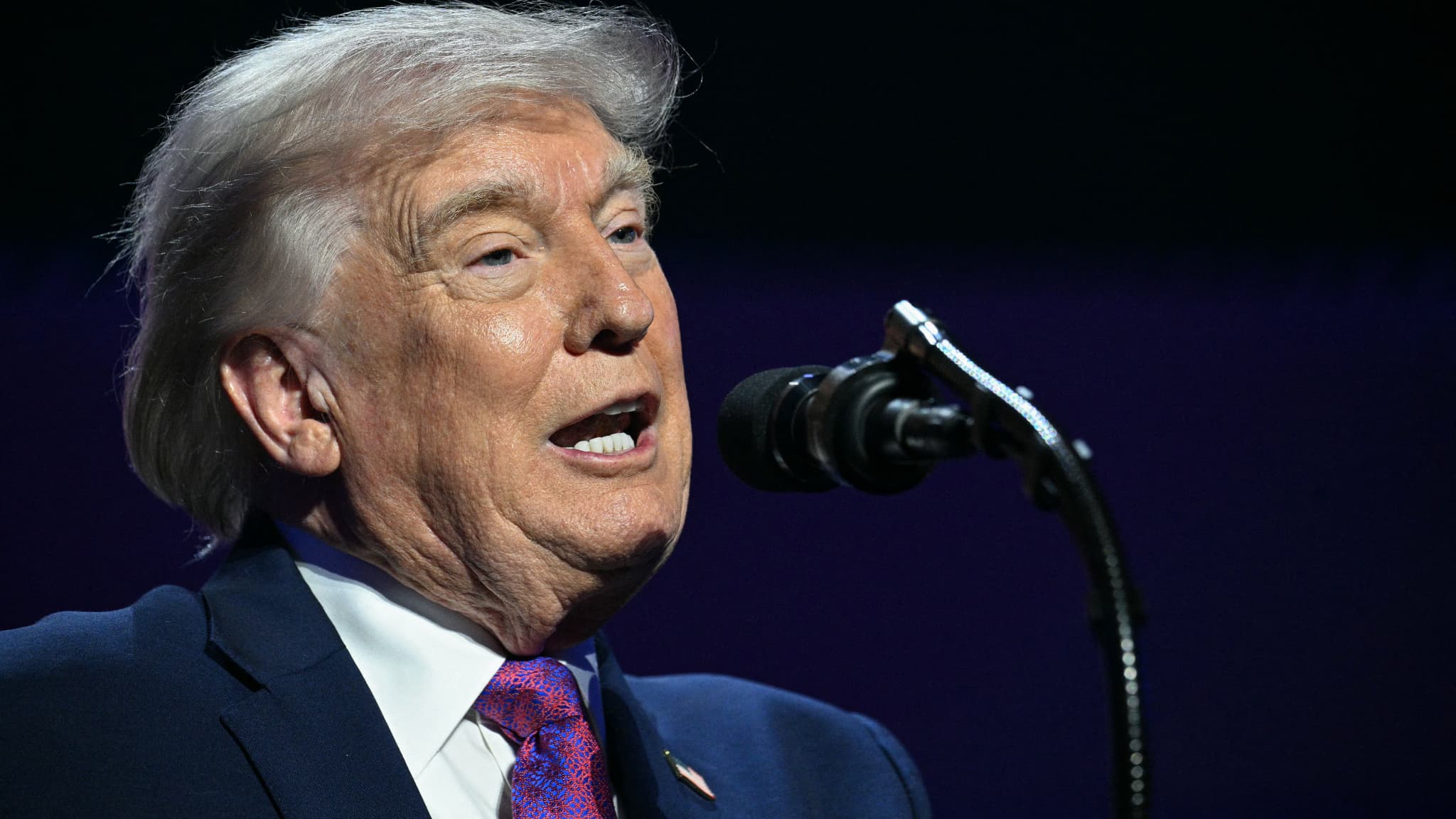
Republicans from hard-hit farm states have called for a ban on US diesel exports, with President Donald Trump reportedly weighing the idea as well. [1] US diesel exports have surged to meet heightened foreign demand and the high prices the product can fetch abroad, and those export flows have been accompanied by the diesel price spike at home. [1] Higher diesel prices are being felt across the economy, as the fuel is used to heat homes especially in the Northeast and to power machinery, tractors, trucks, boats and trains. [1] Farmers and transportation operators are especially hard hit, and these businesses typically try to pass their cost increases on to customers, so shoppers are shelling out more for groceries and any other goods that must be transported. [1] American consumers never like high energy prices, and after years of elevated inflation they seem especially unhappy about them. [1] Until the Iran war, Trump had been able to tout a substantial fall in petroleum product prices after he returned to office in January 2025. [1]
G7 and IEA Act to Release Emergency Reserves
The G7 countries have agreed to release an additional 100 million barrels of diesel and crude oil from their emergency reserves. [1] The International Energy Agency on Thursday agreed to release over 20 million barrels of diesel to the market as soon as possible and any oil remaining from a record emergency reserves release pledged in March to help supply and cool soaring prices. [3] The G7 move to release more diesel into the global market indicates that the rest of the world might understand how US politics could lead to an export ban outcome. [1]
China Drives Record Brazilian Oil Exports
Trade between Brazil and China reached a record US$143 billion in the first nine months of the year, driven by Brazilian oil sales that surged after the war on Iran disrupted Gulf supply. [2] Brazilian exports to China rose 12 per cent to US$84.7 billion between January and September, while imports from China grew 9.9 per cent to US$58.6 billion. [2] The resulting US$26.1 billion surplus equalled 42 per cent of Brazil’s trade surplus with the world. [2] Crude oil accounted for most of the gain, with sales to China jumping 49 per cent to a record US$21.8 billion as shipments rose 27 per cent by volume and prices climbed 16.8 per cent. [2] China took half of all the crude Brazil exported, nearly seven times the share of India, the next-largest buyer. [2]
Potential Effects of a US Diesel Export Ban
A US export ban would split the US and world markets for diesel. [1] The resulting mismatch between domestic demand and supply could depress US diesel prices in the short term, giving some relief to American consumers at least temporarily. [1] But as a professor of finance who studies commodities and market volatility has noted, a big adverse shock would hit the rest of the world under that scenario. [1] World prices would spike further, and a major exporting country’s ban would also increase market uncertainty and volatility because restricting exports would effectively concentrate the rest of the world’s production, making the remaining supply base more fragile. [1] If other countries think that their diesel situation is already bad, it would be much worse under a US export ban. [1]
Broader Market Reactions and Currency Pressures
US futures are lower as the AI unwind goes global, with Korea's Kospi crashed into a bear market and tripped circuit breakers. [4] Brent drops almost 2% to $104 on the risk-off tone. [4] The cedi depreciated by 7.11 percent against the dollar on a year-to-date basis in August 2026 on the interbank market. [5] In the same period, the cedi depreciated by 7.78 percent and 6.09 percent against the pound and euro respectively. [5] The cedi was less volatile during the first 185 transaction days in 2026 than in the last four years. [5] On the international market, the US dollar strengthened in September due to the Fed’s recent policy rate hikes, and as a result EMDE currencies came under pressure. [5]
What to watch next: US economic data including September retail sales, PPI, October Empire manufacturing and Philly Fed, and weekly jobless claims are slated, along with Fed speakers including Goolsbee and Chair Warsh.