
US and Iran Open Peace Talks in Switzerland as Trump Threatens New Strikes
Talks Open in Switzerland Amid Tensions
US and Iranian officials opened high-level peace talks in Switzerland on Sunday under a new interim deal even as President Donald Trump issued fresh military threats against Tehran over its proxies in Lebanon and the temporary closure of the Strait of Hormuz, sending oil prices higher. The talks at the Buergenstock resort involved US Vice President JD Vance, Iranian Foreign Minister Abbas Araqchi, and mediators from Pakistan and Qatar. [2] They focused on enforcing the Lebanon ceasefire, keeping the Strait of Hormuz open, and elements of a potential nuclear deal. [5] The first high-level meetings of US, Iranian, Qatari and Pakistani representatives opened in the Swiss resort of Bürgenstock, with US Vice President JD Vance and Iranian Foreign Minister Abbas Araghchi among attendees. [3] Iranian delegates avoided public interaction or photos with US officials and briefly walked out citing Trump's statements, but mediators continued shuttling messages and both sides reported progress on deconfliction and trust-building. [5] The talks in the Qatari-owned Swiss mountaintop resort of Buergenstock were the first to be held under the terms of a memorandum of understanding reached between the two enemies last week to end their war, extending a tenuous ceasefire from April for at least another 60 days. [2] Four-party talks started at 2:45 p.m. local time and were continuing Sunday evening. [3]
Trump Issues Fresh Threats
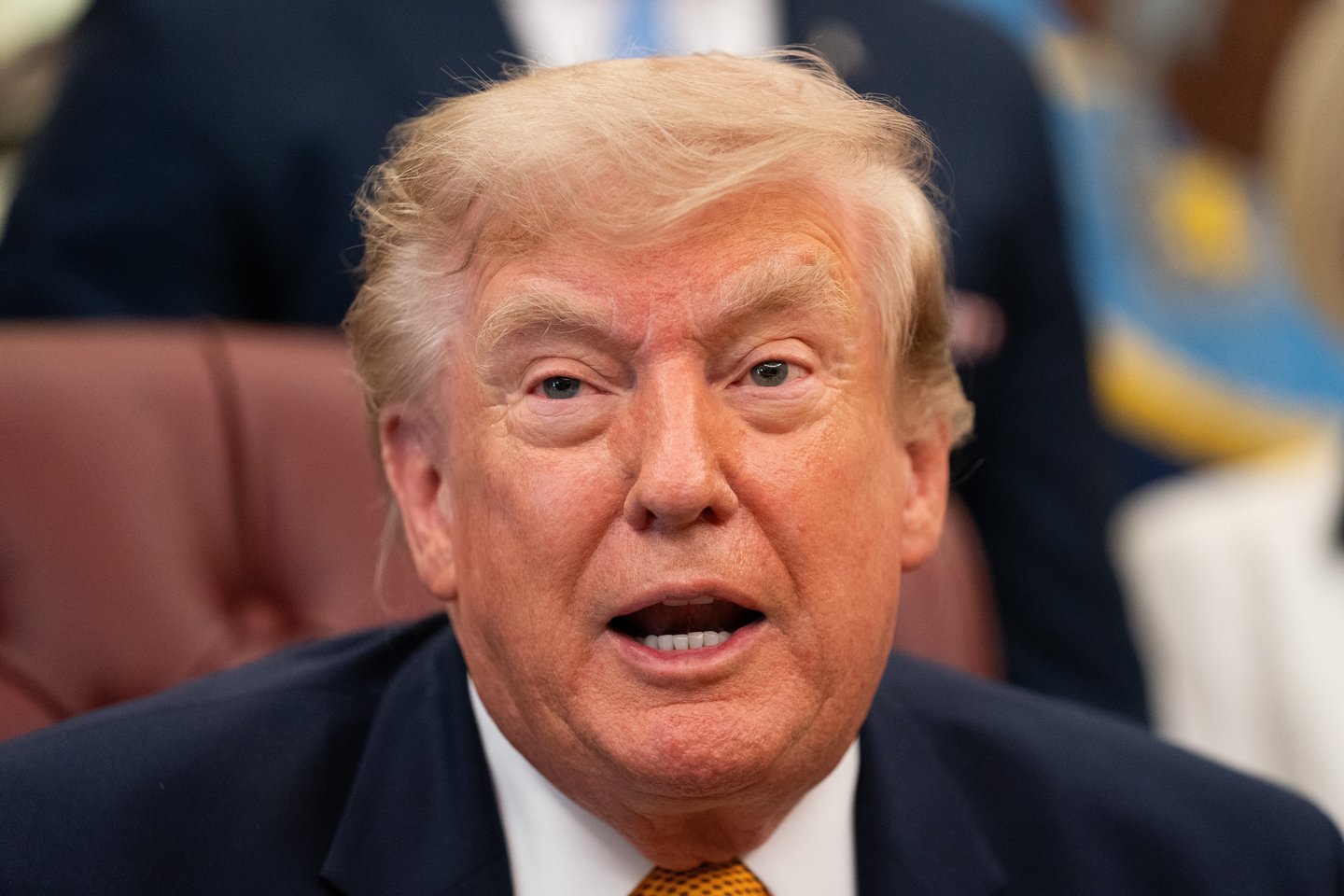
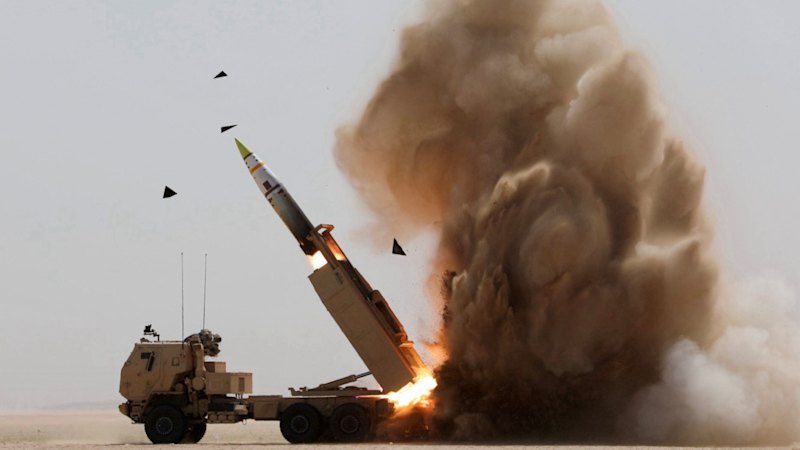
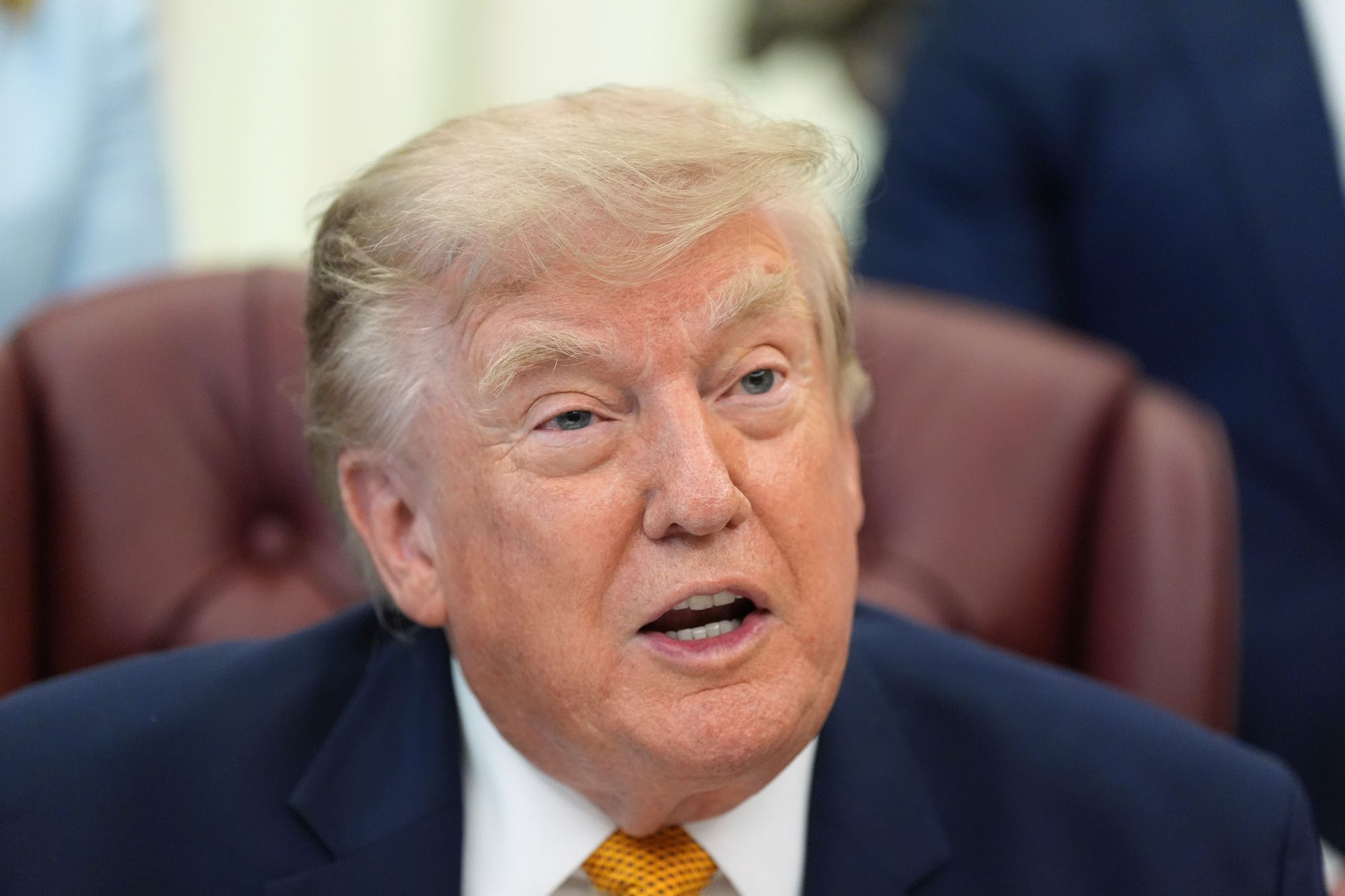
Trump posted on social media demanding Iran stop Hezbollah attacks in Lebanon or face harder strikes than last week, and told Fox News that closing the strait meant Iran "won't have a country." [2] As the meetings got under way, Trump said in a social media post that he would strike Iran again if it doesn’t “immediately stop their highly paid PROXIES in Lebanon from causing trouble.” [4] He also warned Iran that the US might start collecting tolls if there’s no deal. [4] Speaking Sunday to Fox News, Trump said he told Iranian leaders directly that if they close Hormuz, “You won’t even make it back” to Iran, using an expletive. [3] Fox News reported that Trump had gone further in an interview, saying he had told Iranian officials if they closed the strait, "you won't have a country," and threatening to take over the waterway. [2] Trump has expressed frustration with Israeli Prime Minister Benjamin Netanyahu over previous strikes, suggesting they risked undermining the US-Iran talks. [4]
Iran Closes Strait of Hormuz
Iran announced it had closed the Strait of Hormuz again, citing US failure to halt Israeli strikes in Lebanon, though US officials disputed a full closure and shipping data showed limited immediate disruption. [2] Tehran on Saturday accused Israel of violating a truce in Lebanon and said the Strait of Hormuz, a key transit point for global energy supplies, would be shut again. [4] Iran, arguing that the US had failed to meet its commitment to halt fighting in Lebanon, said this weekend that it had again halted maritime traffic through the strait and that Sunday's talks would not cover substantive issues such as Iran's nuclear programme. [2] US officials disputed that the strait was closed, but commercially available shipping data showed an immediate impact. [2] Only one small tanker crossed the waterway with its location-signalling transponders on after Iran's announcement, compared with dozens of ships in recent days. [2] Energy Secretary Chris Wright said on Fox News Sunday that the US was still escorting ships and “demonstrating we can transit the strait with or without” Iran. [4] Despite the announcement, millions of barrels of oil continued to flow through the waterway. [4]
Oil Prices Rise on Uncertainty
Oil prices climbed on Monday, with Brent crude rising as much as 2.2 percent to $82.30 a barrel, following the weekend developments and Trump's threats. [4] Oil prices climb after fresh Trump threat as US-Iran peace talks begin. [1] As has happened several times with major developments affecting the global economy during the war, Iran's announcement on closing the strait took place on the weekend with markets closed, delaying any impact on oil prices until Monday. [2] Oil rose after Trump’s threats, with Brent crude climbing as much as 2.2% at the open to $82.30 a barrel, while West Texas Intermediate was near $77. [4] Oil prices had tumbled over the past week to levels unseen since the war started on Feb. 28 with US-Israeli attacks on Iran. [2]
Focus on Lebanon Ceasefire and Nuclear Issues
The interim memorandum of understanding signed last week extends a ceasefire for at least 60 days and foresees negotiations on Iran's nuclear program in exchange for sanctions relief and unfrozen assets. [2] The agreement called for reopening the strait, a choke point for global energy shipments, and ending all hostilities, including in Lebanon, where Israel has continued to launch deadly strikes as Iranian ally Hezbollah fires at Israeli targets. [2] The first day of US-Iran negotiations, mediated by Qatar and Pakistan on Sunday, focused on elements of a potential nuclear deal and the enforcement of a ceasefire in Lebanon, according to an Axios report citing a US diplomat. [5] Other issues in focus are the Strait of Hormuz, US sanctions and the return of frozen Iranian assets, the person said. [4] Iran’s semi-official ISNA news agency said the main topics of the talks would be a “comprehensive ceasefire” in Lebanon, including an Israeli withdrawal, and the fate of billions of dollars in Iranian assets frozen overseas. [4] The memorandum foresees 60 days of talks on issues such as curbing Iran's nuclear programme in return for the lifting of international sanctions. [2] Before those issues are resolved, Iran expects to receive initial economic benefits, such as sanctions waivers and the unfreezing of blocked assets. [2]
Prospects for Continued Negotiations
Talks continued into the early hours of Monday in Switzerland, with topics including deconfliction mechanisms to ensure Hormuz remains open and how to enforce the ceasefire between Israel and Hezbollah in southern Lebanon, according to a senior US diplomat engaged in the talks. [4] The meeting is seen as a starting point for ongoing technical talks moving forward, the diplomat added. [4] "All four parties seem pleased with how the talks went today. The mediators are helping both sides work through things. We feel this initial round of talks is setting us up for trust building going forward,” the diplomat told Axios. [5] The Iranian delegation, however, reportedly walked out during the talks and refused to return to the table, citing "threatening and insulting statements" from US President Donald Trump, according to a report by the IRGC-affiliated Tasnim News Agency. [5] Mediators Qatar and Pakistan continued to exchange messages between the delegations, the source added, clarifying that their efforts are still ongoing but have not yet reached a final result. [5] Under the terms of the memorandum of understanding signed by Trump on Wednesday, the US and Iran have 60 days for negotiations, although the pact allows for an extension. [4]
What to watch next: The Swiss are keeping the venue ready until mid-morning on Monday, allowing negotiations to run until then if necessary, while mediators from Pakistan and Qatar continue shuttling messages on deconfliction and enforcement of the Lebanon ceasefire within the 60-day framework.