
UN Survey Estimates $1.38 Billion Building Damage in Southern Lebanon from Israel-Hezbollah War
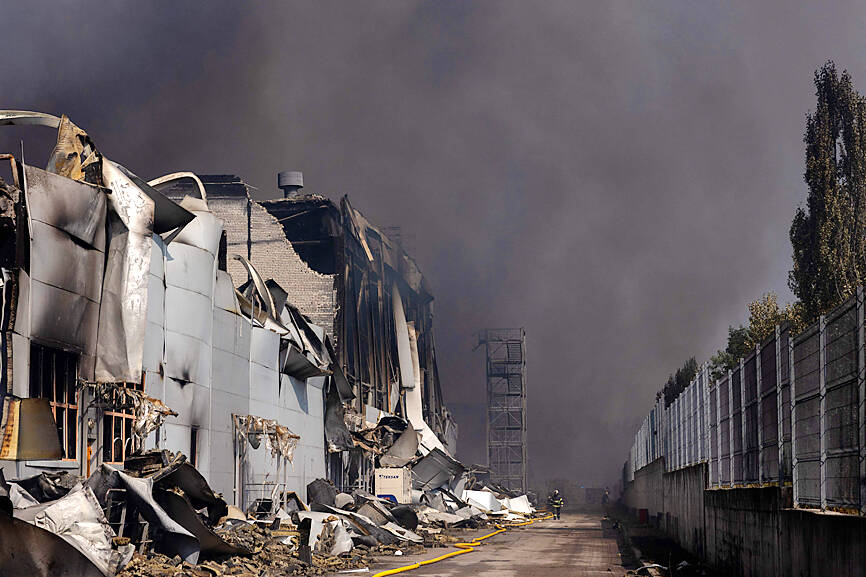
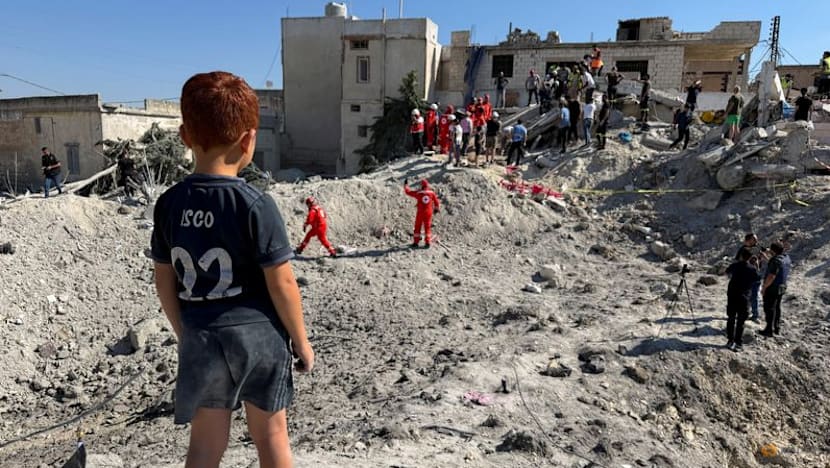
The Israel-Hezbollah war has caused an estimated US$1.38 billion in direct building damage across southern Lebanon, with more than 11,000 buildings completely destroyed, according to a UN-backed assessment.
Damage Assessment in Southern Lebanon
A UN Development Programme and Lebanon's National Council for Scientific Research assessment compared satellite imagery from October 2025 to late April and found 11,095 buildings completely destroyed, impacting 17,891 housing units, with 2,242 partially damaged and 9,311 sustaining minor damage. [1] The rapid building-level damage assessment focused on the country's south and did not cover the latest weeks of the conflict after late April. [1] Findings indicate that direct damage to buildings in south Lebanon is estimated at US$1.38 billion. [1] The United Nations Development Programme and Lebanon's government-linked National Council for Scientific Research released the statement on the assessment. [1] The survey relied on satellite imagery comparisons that captured destruction nearly two months into the latest war. [1] Direct damage estimates cover only the period reflected in the imagery up to late April. [1] The assessment provides a detailed breakdown of completely destroyed buildings alongside those with partial or minor damage. [1] Housing units affected by complete destruction total 17,891 according to the findings. [1] Partial damage affected 2,242 buildings while minor damage reached 9,311 buildings. [1] The UN-backed report highlights the scale of building destruction in the affected southern areas. [1]
Timeline of the Israel-Hezbollah Conflict
Hezbollah launched rocket fire at Israel on March 2 in support of Iran, prompting Israeli airstrikes, a ground invasion, and ongoing demolition operations in a border strip up to a dozen kilometres deep inside Lebanon. [1] Israel responded with heavy airstrikes and a ground invasion after the March 2 rocket fire. [1] Israeli troops have operated inside a strip of border territory around a dozen kilometres deep inside Lebanon while carrying out extensive demolition and bulldozing operations. [1] Neither side respected an April 17 ceasefire, with fighting pausing only on Saturday evening after threatening a US-Iran deal to end the broader Middle East war. [1] Fighting only paused on Saturday evening following threats to a deal signed last week between Iran and the United States. [1] Israeli Prime Minister Benjamin Netanyahu stated forces would remain in southern Lebanon as long as necessary. [1] Netanyahu made the statement on Sunday regarding the continued presence of Israeli forces. [1] Hezbollah drew Lebanon into the Middle East conflict on March 2 by launching rocket fire at Israel in support of its backer Iran. [1] The sequence began with the March 2 rocket launches and continued through Israeli responses that included both airstrikes and ground operations. [1] Demolition operations have taken place within the specified border strip inside Lebanon. [1] The April 17 ceasefire was not respected by either side according to reports. [1] The pause in fighting occurred on Saturday evening amid concerns over the Iran-United States agreement. [1]
Human Cost and Displacement in Lebanon
Lebanese authorities report that Israeli attacks since March 2 have killed more than 4,100 people and displaced over one million others, with some residents now returning to inspect damaged homes despite army warnings. [1] Some residents have started returning to the south over the past two days to inspect their damaged homes and businesses. [1] The Lebanese army has urged them to delay returning to border villages and towns. [1] Lebanese authorities say Israeli attacks since March 2 have killed more than 4,100 people. [1] Displacement from the attacks exceeds one million others according to the same authorities. [1] Returns have occurred despite the army warnings about border areas. [1] The human impact includes both fatalities and large-scale displacement since the March 2 start of the latest phase. [1] Residents inspecting homes have done so in the period immediately following the Saturday evening pause. [1] Warnings from the Lebanese army target villages and towns near the border. [1]

Keir Starmer meets with Israeli President Isaac Herzog. — Source: middleeasteye
Belarusian Opposition Warnings to Ukraine
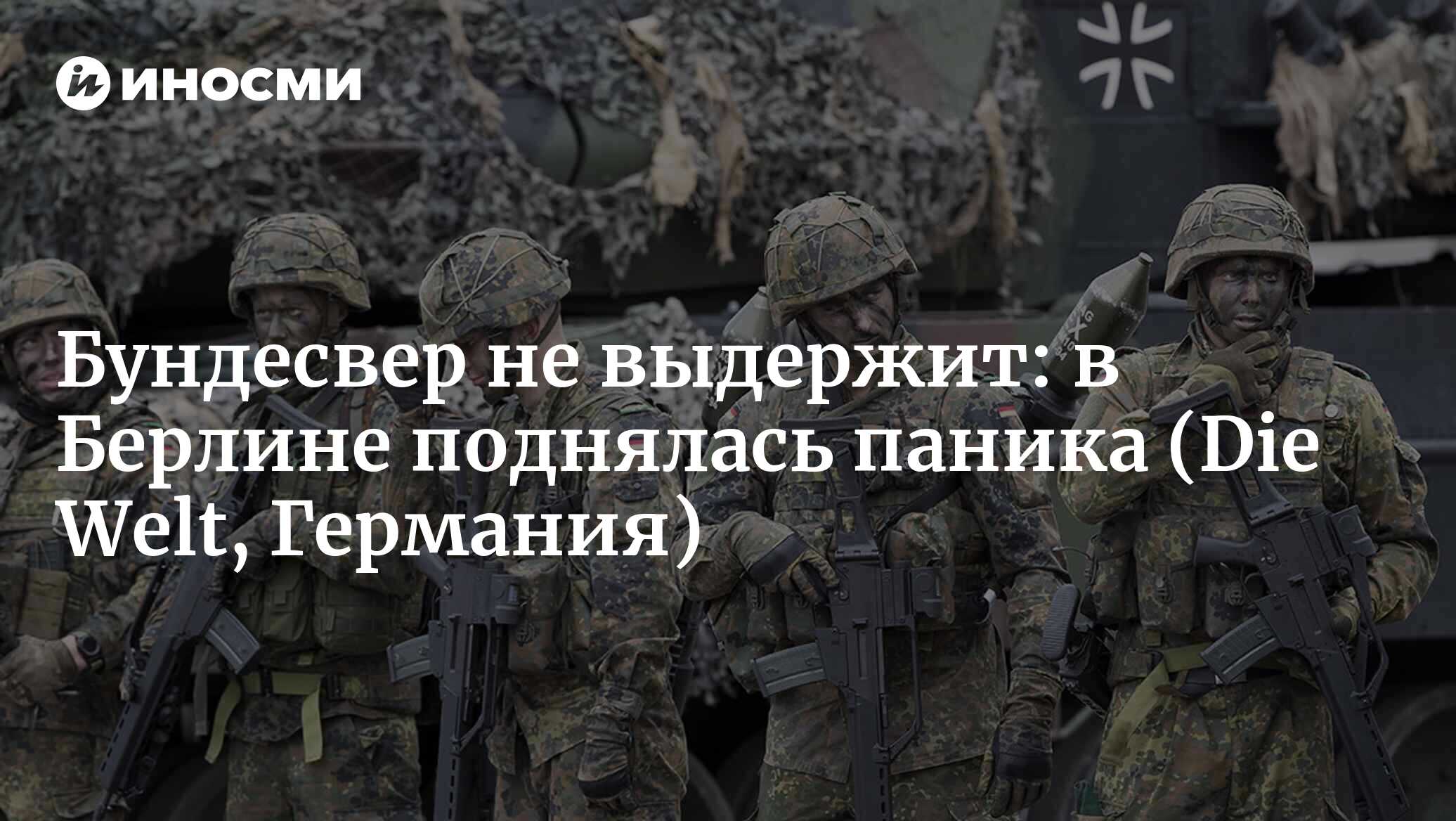
Belarusian exiled opposition has warned Ukraine of Minsk's shift toward a wartime posture, including constitutional changes ending its neutral and non-nuclear status, doubled recruitment of contract soldiers, five-fold increase in military spending, and militarization of society. [2] The document created by the United Transition Cabinet of Belarus was handed to Ukrainian foreign minister Andrii Sybiha on June 22. [2] The exiled cabinet drew attention to constitutional changes cancelling Belarus' status as a neutral, non-nuclear state. [2] A two-fold increase in the recruiting of new contract soldiers forms part of the listed shifts. [2] Military spending in the state budget has seen a five-fold increase. [2] The militarization of society including children is highlighted in the report. [2] Belarus has ceased to be a neutral and non-nuclear country according to the document. [2] In 2024 Belarus adopted a new military doctrine that officially allows pre-emptive strikes justified by imminent threat. [2] The United Transition Cabinet handed the list of warning signs to Ukrainian officials on June 22. [2] The points outline clear policy areas pointing to President Alexander Lukashenko's domestic shift towards a wartime posture. [2] Earlier in 2024 the new military doctrine change was noted in the report. [2] The opposition document emphasizes the end of Belarus' previous neutral and non-nuclear status. [2]
Escalating Humanitarian Needs in Ukraine
Increased front-line hostilities and longer-range attacks in Ukraine from January to March 2026 have compounded humanitarian needs, resulting in the highest civilian toll from bombardments compared to the same period since 2023. [4] Since the start of 2026 increased front-line hostilities and longer-range attacks have compounded humanitarian needs across Ukraine. [4] Between January and April 2026 bombardments across the country resulted in the highest civilian toll compared with the same period since 2023 according to the UN Human Rights Monitoring Mission in Ukraine. [4] This trend continued in April and May. [4] The UN-coordinated review covers the period from January to March 2026. [4] Humanitarian needs have risen due to the intensified hostilities and extended attack ranges. [4] The civilian toll from bombardments reached its highest level in the reviewed period since 2023. [4] The UN Human Rights Monitoring Mission in Ukraine provided the data on civilian casualties. [4] Compounded needs stem directly from the front-line developments and longer-range strikes observed early in 2026. [4]
UN assessment estimates 1.38 billion dollars in building damage across southern Lebanon from Israel-Hezbollah war. — Source: gdelt
Broader Regional Conflict Patterns
The persistence of armed conflicts affecting civilian areas far from front lines draws on observations about both the Middle East and Ukraine. [5] Russia's war against Ukraine shows that consequences of military action such as loss of life and economic destruction occur far from the front line. [5] Cities are on the front line and under threat from hybrid warfare as well as conventional military operations missile strikes and air strikes. [5] The Middle East confirms this pattern as capitals of Saudi Arabia the United Arab Emirates Qatar and Bahrain have experienced violence associated with military operations despite not being parties to the war. [5] Riyadh Abu Dhabi Doha and Manama have each experienced such attacks. [5] The pattern indicates that armed conflict has become an integral part of regional reality. [5] Consequences extend to urban centers distant from active front lines in both contexts. [5] Military operations including missile and air strikes reach cities in the affected regions. [5] Observations from the Middle East align with those from the war in Ukraine regarding impacts on non-front-line areas. [5]
What to watch next includes the pause in fighting in southern Lebanon after the Saturday evening halt and Ukrainian responses to signals from Belarus such as the ultimatum issued by President Volodymyr Zelensky on June 18 regarding signal repeater equipment.