
UN Report Finds Foreign Networks Fuel Sudan War With Drones and Fighters as Doomsday Clock Advances
A UN fact-finding mission has concluded that foreign weapons, military technology, fighters and logistical networks are sustaining Sudan’s war between the army and the Rapid Support Forces, expanding both sides’ ability to strike deep into civilian areas with drones and other systems in ways that may amount to war crimes as the doomsday clock continues to advance for the population. [1] Sudan’s conflict erupted in April 2023 after a power struggle between the Sudanese Armed Forces and the RSF, displacing more than 14 million people and creating one of the world’s worst humanitarian crises. [1] [3]
Overview of the Sudan Conflict
Sudan’s war erupted in April 2023 following a power struggle between Sudan’s military and the Rapid Support Forces ahead of a planned transition to civilian rule. [1] The conflict has devastated the country, displaced more than 14 million people and created what the UN has described as one of the world’s worst humanitarian crises. [1] [3] Sudan’s war, which erupted in April 2023 following a power struggle between the military and the Rapid Support Forces, has displaced more than 14 million people and created one of the world's worst humanitarian crises. [3] The conflict has devastated the country and displaced more than 14 million people. [1]
UN Findings on External Support for the RSF
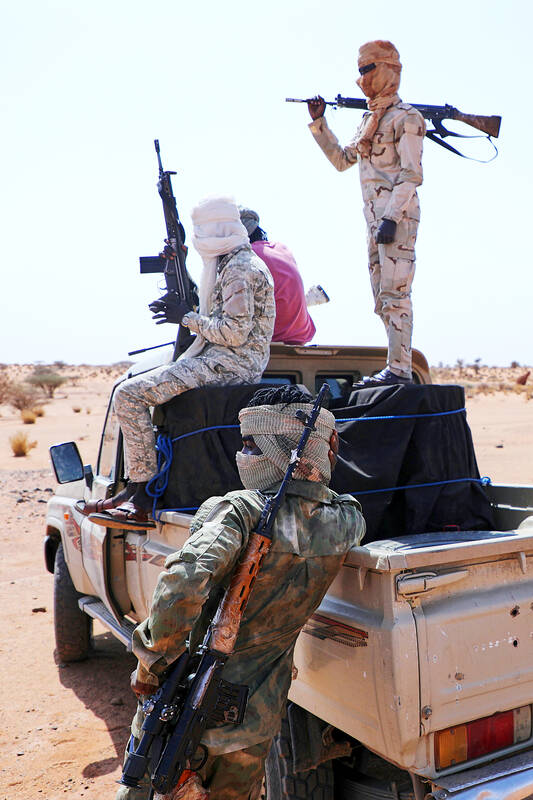
Investigators found reasonable grounds to believe that a transnational network involving individuals and entities in the United Arab Emirates, Chad, Libya and Somalia supplied the RSF with weapons, military equipment, logistics, training and foreign personnel. [1] [3] The UN mission said investigators found grounds to believe a network involving individuals and entities in the United Arab Emirates, Chad, Libya and Somalia supplied the RSF with weapons, equipment, logistics, training and foreign personnel. [3] The mission obtained evidence that Colombian contractors played a significant role in operating and maintaining drone systems and other advanced weapons used by the RSF, with the total number of Colombian contractors involved estimated to approach 2,000. [1] Some Colombian contractors were present during operations around al-Fashir in Darfur. [3] The UAE rejected allegations that it had provided military, logistical, financial or political support to the RSF. [1] Chad insisted it remained neutral in the war and denied knowledge of weapons transfers through its territory. [1] Somalia’s government said it took the report’s allegations seriously and did not permit its territory, airspace or ports to be used by parties to the conflict for military purposes, though gaps existed in information-sharing. [3] Colombia told investigators it opposed mercenarism and was taking steps to address the participation of Colombian nationals in foreign conflicts. [1] [3]
UN fact-finding mission highlights foreign fighters and weapons networks sustaining Sudan's conflict. — Source: anadolu
Foreign Assistance to Sudanese Armed Forces
The mission said its investigation into external support for Sudan’s military was at an early stage, but had found evidence that foreign-supplied combat drones and loitering munitions had expanded the army’s long-range strike capabilities. [1] [3] Some of those weapons were used in attacks on civilian locations, including Yabus Market in Blue Nile State. [1] [3] The mission said foreign-supplied combat drones and loitering munitions had expanded the army’s long-range strike capabilities. [1]
Drone Warfare and Civilian Harm on the Doomsday Clock
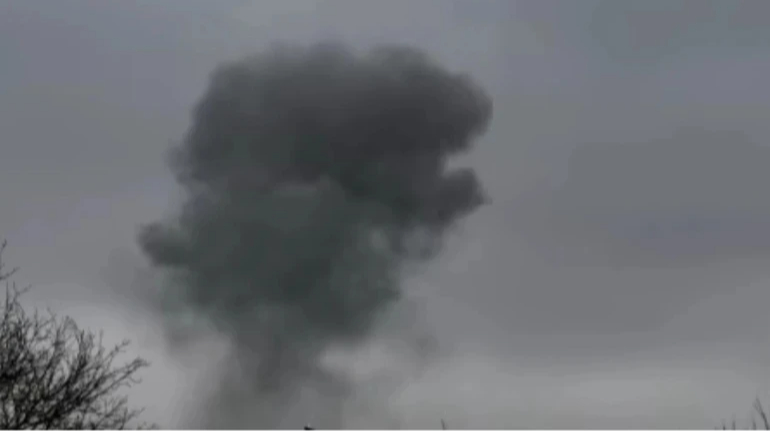
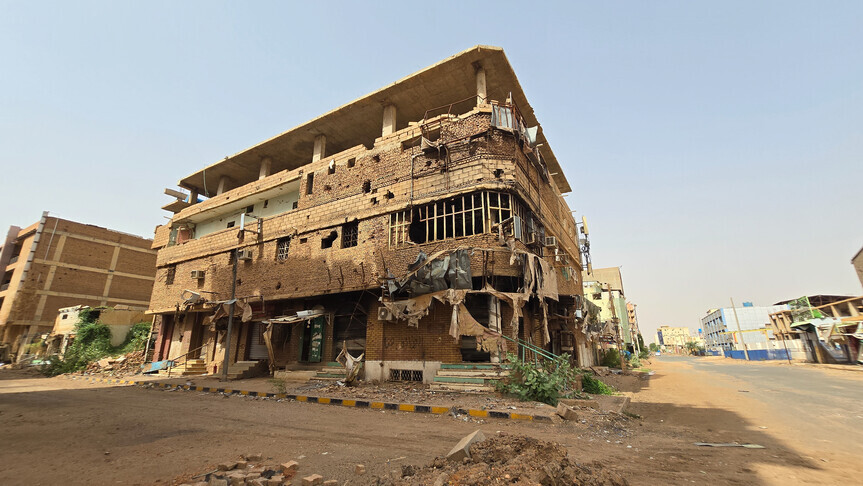
Expanded drone range, persistence and increasingly sophisticated capabilities enabled Sudan’s military and the RSF to strike far beyond immediate front lines, and evidence points to both sides carrying out drone attacks that killed civilians and hit hospitals, schools, markets and displacement sites. [1] [3] The report found that both sides committed serious violations of international human rights law and international humanitarian law in their drone operations, with some conduct amounting to war crimes. [1] [3] More than 1,000 civilians were killed in drone strikes from January to May, according to figures cited by the report. [1] Both the RSF and Sudan’s military did not immediately respond to requests for comment. [1] In the past, both have denied abuses. [3]
UN fact-finding mission reports foreign drones and fighters are fueling Sudan's conflict and possible war crimes. — Source: dailymaverick
Key Incidents and Atrocity Risks
From May to July, RSF drone attacks damaged electricity and fuel facilities in the North Kordofan capital of El Obeid, which was under Sudanese Armed Forces control as RSF pressure intensified in June. [1] [3] Strikes disrupted water supplies, healthcare, transport and other basic services in a city already under severe strain and partial siege. [1] [3] Among the cases highlighted in the report were SAF strikes on Ad-Da’ein Teaching Hospital in East Darfur that investigators said killed at least 70 people and left the facility non-functional. [1] [3] Mass killings of non-Arab communities when the RSF captured al-Fashir bore hallmarks that point to genocide, the UN mission said in a previous report in February. [1] The RSF has denied such abuses, saying that the accounts have been manufactured by its enemies and making counteraccusations against them. [1]
UN Recommendations and Responses
The mission reiterated calls for enforcement of the Darfur arms embargo and urged the UN Security Council to extend it across all of Sudan. [1] [3] The UAE’s diplomatic mission in Geneva rejected allegations of involvement in the war, saying it had not provided arms or other military-related materiel and remains committed to open and constructive dialogue with the Fact Finding Mission. [3] The mission previously reported that mass killings of non-Arab communities by the RSF in al-Fashir bore hallmarks of genocide. [3]
What to watch next: The mission called for enforcement of the Darfur arms embargo and its extension across all of Sudan while continuing its investigation into external support for the Sudanese military.