
Ukrainian Strikes on Russian Energy on the WW3 Map: Eroding Moscow's Geopolitical Leverage in Europe
By Viktor Petrov, Conflict & Security Correspondent, The World Now
April 3, 2026
Introduction
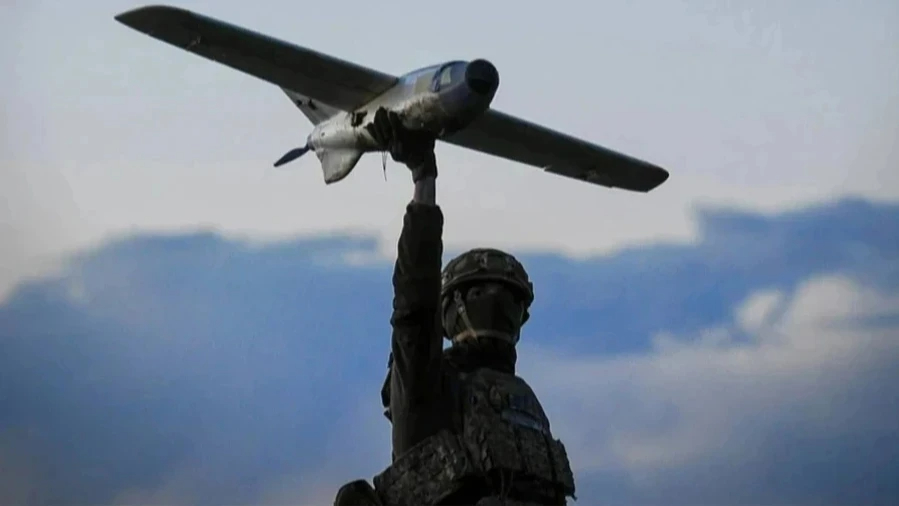
In a marked escalation of the ongoing Russia-Ukraine conflict, Ukraine has unleashed a sustained wave of drone strikes targeting Russia's critical energy infrastructure throughout March 2026. These precision attacks on oil refineries, ports, pipelines, and production facilities represent not merely tactical maneuvers but a deliberate strategic assault on Moscow's economic lifelines. Reports from Reuters and Ukrainian Pravda detail at least 15 such strikes in March alone, culminating in damage to the TurkStream pipeline—a vital artery supplying natural gas to Hungary and other European nations. These events are prominently tracked on the WW3 map, illustrating the tit-for-tat energy warfare in the broader geopolitical landscape.
This article shifts focus from the previously emphasized domestic, humanitarian, environmental, military, or cyber dimensions of these strikes to their profound geopolitical ramifications. By disrupting Russian energy exports, Ukraine is systematically eroding Moscow's leverage over Europe, straining alliances with pro-Russian holdouts like Hungary, and catalyzing a realignment in global diplomatic dynamics. The thesis is clear: these strikes transcend battlefield gains, functioning as high-stakes geopolitical chess moves that expose Russia's vulnerabilities, accelerate European energy diversification, and potentially fracture the Kremlin's influence in Brussels and beyond. As satellite imagery reveals scorched oil ports and raging refinery fires, the ripples extend far beyond the Black Sea, challenging the post-Cold War energy interdependence that has long underpinned Eurasian stability, with key updates visible on the WW3 map.
Historical Context of Escalating Tensions on the WW3 Map
The recent barrage of Ukrainian drone strikes must be viewed through the lens of a decade-plus pattern of energy weaponization and retaliatory escalation. Russia's use of energy as a geopolitical tool dates back to the early 2000s, with the 2006 and 2009 gas crises—when Moscow cut supplies to Ukraine amid pricing disputes, leaving millions in Eastern Europe shivering—serving as stark precedents. These maneuvers extended to the 2008 Georgia war and the 2014 annexation of Crimea, where Gazprom's pipeline manipulations coerced compliance from neighbors like Slovakia and Bulgaria. Ukraine's responses have evolved from defensive posturing to offensive disruption, mirroring the asymmetry of a conventionally weaker power leveraging low-cost drones against high-value targets.
The immediate prelude to March's intensified campaign began on March 11, 2026, with dual Ukrainian drone attacks: one on the resort city of Sochi, testing Russian air defenses near the Black Sea coast, and another on a missile production plant, signaling Kyiv's intent to degrade Moscow's munitions supply chain. The very next day, March 12, a drone strike hit Krasnodar Krai, a hub for energy logistics, further probing vulnerabilities in Russia's southern flank. Escalation peaked on March 14, as a tanker was struck near the pivotal Black Sea port of Novorossiysk—Russia's primary oil export terminal—and Russian defenses downed 65 Ukrainian drones over Moscow itself, underscoring the unprecedented reach of Kyiv's unmanned fleet.
This timeline illustrates a rapid maturation of Ukrainian capabilities, from sporadic incursions to coordinated swarms enabled by Western-supplied tech like AI-guided munitions and long-range drones akin to the Bayraktar TB2s used since 2022. It echoes historical tit-for-tat: just as Russia's 2022 invasion prompted Ukraine's shift to asymmetric warfare and Russian strikes on Ukraine's energy lifelines, which plunged Kyiv into blackouts, these 2026 strikes counter that pattern. Broader context reveals Russia's energy dominance waning; pre-war, it supplied 40% of Europe's gas, but sanctions and LNG alternatives have halved that figure. Now, Ukraine's reprisals invert the script, turning pipelines into liabilities and forcing Russia to confront its own dependency on export revenues that fund 40% of its federal budget.
Recent events amplify this pattern. On March 28, 2026, Ukrainian drones targeted oil facilities in Yaroslavl (high impact) and broader Russian oil infrastructure (medium). March 31 saw a strike on the Kirishi refinery (medium), followed by April 1 attacks on a Bryansk missile plant (medium) and Russian ports (high). The crescendo hit on April 2: a drone strike on a Russian port (medium), another on the TurkStream pipeline (high), and a devastating hit on the Ufa refinery sparking a massive fire (high). This progression—from peripheral probes to core infrastructure—demonstrates not random opportunism but a calculated campaign to exploit Russia's stretched defenses amid its stalled Donbas offensive, as highlighted on the WW3 map.
Current Situation: Strikes and Their Immediate Impacts
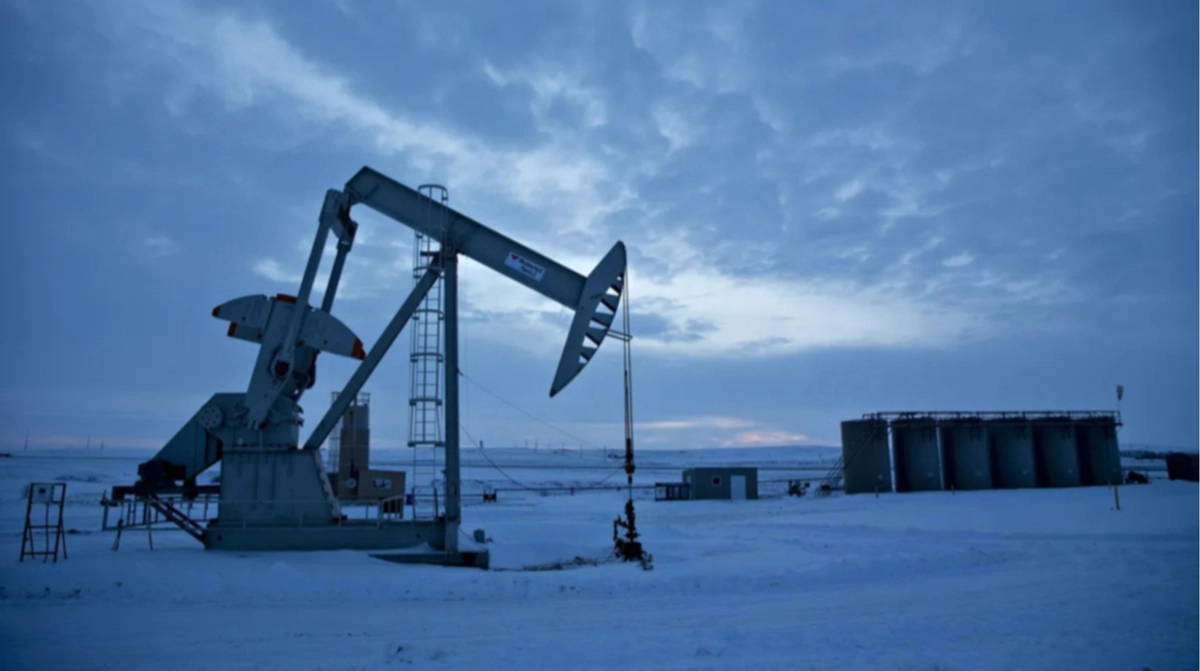
The strikes' immediacy is visceral, corroborated by on-the-ground footage and satellite analysis. Ukraine claimed 15 successful hits on Russian plants, refineries, and terminals throughout March, per Ukrainian Pravda. Reuters reports confirm forced cuts in Russian oil production, with Novorossiysk's port—handling 13% of Moscow's seaborne crude—showing extensive damage via satellite images: craters pockmarking storage tanks, smoke plumes obscuring drone bays. The Ufa refinery attack on April 2 produced a "large-scale fire," videos capturing flames engulfing distillation units, halting output at this Volga-region behemoth processing 8 million tons annually.
Particularly seismic is the TurkStream assault. Russia's Gazprom accused Ukraine of striking this Black Sea pipeline twice—once on April 2—disrupting gas flows to Hungary, which relies on it for 80% of its supplies. Hungary Today decried it as "another Ukrainian attack," highlighting Budapest's vulnerability as the last major EU holdout importing Russian gas post-2022 sanctions waivers. These incidents have shaved millions of barrels from Russia's exports; OPEC+ data shows production quotas slashed by 300,000 barrels per day in response, with fires at Ufa and Kirishi compounding logistical snarls, reminiscent of disruptions seen in Iran's infrastructure strikes.
Eyewitness accounts from Russian Telegram channels (e.g., Rybar military blog) describe air raid sirens echoing through industrial zones, with debris raining on Rostov and Krasnodar. Ukrainian sources, including Kyiv Independent, frame these as proportionate retaliation for Russia's 1,000+ missile strikes on Ukrainian energy since October 2024. Immediate effects strain Russia's war chest: energy revenues dropped 25% year-on-year in Q1 2026, per IMF estimates, fueling domestic inflation at 9%. For allies like Hungary, blackouts loom; Prime Minister Viktor Orbán's office issued warnings of supply shortfalls, testing Moscow's reliability as a partner.
Original Analysis: Geopolitical Shifts and Alliance Strains
These strikes uniquely expose fissures in Russia's energy-diplomacy edifice, a pillar of its "fortress Europe" strategy. TurkStream's sabotage strains Hungary's pro-Moscow stance—Orbán's vetoes of EU aid to Ukraine now risk domestic backlash amid gas rationing. Satellite evidence of port damage underscores how Ukraine positions itself as a disruptor, compelling Europe to confront lingering dependencies: despite diversification, Russian gas still accounts for 15% of EU imports via TurkStream and remaining Ukrainian transit routes.
This catalyzes strategic pivots. Germany's LNG terminals, expanded post-Nord Stream sabotage, now eye fuller capacity; Poland accelerates Baltic Pipe flows from Norway. NATO cohesion strengthens as Vilnius and Warsaw advocate arming Ukraine with ATACMS for deeper strikes, arguing energy attacks justify escalation. EU sanctions may tighten: whispers in Brussels suggest revoking Hungary's TurkStream waiver, with France's Macron floating a "energy sovereignty pact." Check our Global Risk Index for live updates on these shifting dynamics.
Ukraine emerges as a geopolitical fulcrum, its strikes mirroring Israel's precision ops against Iranian proxies—degrading capabilities without full invasion, as detailed in coverage like Iran's missile escalation on the WW3 map. Russia's alliances fray: Serbia and Slovakia, also TurkStream-dependent, face similar dilemmas, potentially isolating Moscow further. Globally, China—buying discounted Russian oil—watches warily, as disruptions hike Brent premiums, straining Beijing's economy. This realignment diminishes Putin's leverage, historically wielded via Gazprom's "off-switches," now vulnerable to Kyiv's $500-per-drone calculus.
Predictive Outlook: Future Scenarios and Risks
Looking ahead, Russian countermeasures loom: intensified S-400 deployments, cyber retaliation (e.g., 2024 grid hacks amplified), or hypersonic strikes on Ukrainian drone factories. Escalation triggers include NATO-supplied F-16s enabling mass drone launches or Russian tactical nukes if energy losses exceed $50 billion quarterly. Global markets brace for volatility; reduced Russian exports (potentially 1-2 million bpd offline) could spike oil to $100/barrel, echoing 2022's surge, with positions tracked on the WW3 map.
European alliances may realign by mid-2026: Hungary could pivot to Azerbaijani gas if TurkStream falters, bolstering EU unity. Western support for Ukraine intensifies—U.S. aid packages ballooning to $100 billion annually—while diplomatic tracks like Istanbul talks gain urgency. Long-term, a "post-Russian Europe" emerges, with green hydrogen and U.S. LNG dominating, pressuring Moscow toward concessions by Q4 2026.
Weaving in market dynamics, The World Now's Catalyst AI forecasts risk-off moves: OIL surges (high confidence) on supply shocks, mirroring 2011 Strait threats; SPX dips (high) like 2022's 4% Ukraine plunge; safe-havens like GOLD and JPY rise (medium). Crypto tumbles—BTC/ETH/SOL down amid deleveraging—while USD strengthens.
Catalyst AI Market Prediction
Powered by The World Now's advanced analytics, here are predicted impacts on key assets from escalating energy disruptions (48-72 hour horizon):
- OIL: Predicted + (high confidence) — Causal mechanism: Strait of Hormuz blockade and ME/Ukraine supply hits force immediate futures premium. Historical precedent: 2011 Strait threats oil +20% intraday spikes. Key risk: rapid coalition reopening.
- SPX: Predicted - (high confidence) — Causal mechanism: Geopolitical risk-off triggers immediate algorithmic selling and position unwinds in global equities as seen in Iran/Lebanon/Ukraine escalations sparking selloffs. Historical precedent: Feb 2022 Ukraine invasion when SPX dropped 4% in 48h. Key risk: swift de-escalation signals from coalitions reopening Strait of Hormuz.
- SOL: Predicted - (medium confidence) — Causal mechanism: High-beta altcoin follows BTC risk-off with leveraged liquidations. Historical precedent: Feb 2022 when SOL dropped 15% in 48h. Key risk: meme-driven bounce.
- JPY: Predicted + (medium confidence) — Causal mechanism: Safe-haven flows strengthen JPY vs risk assets amid geo shocks. Historical precedent: 2019 US-Iran JPY +2% intraday. Key risk: BoJ intervention.
- BTC: Predicted - (medium confidence) — Causal mechanism: Geopolitics triggers risk-off deleveraging, bets on crashes amplify. Historical precedent: Feb 2022 Ukraine BTC -10% in 48h. Key risk: safe-haven narrative shift.
- USD: Predicted + (medium confidence) — Causal mechanism: Premier safe-haven bid on global risk-off. Historical precedent: Feb 2022 Ukraine DXY +3% in 48h. Key risk: oil-driven Fed pause signals.
- ETH: Predicted - (medium confidence) — Causal mechanism: Risk-off liquidation cascades amplify BTC lead-down in thin liquidity. Historical precedent: Feb 2022 Ukraine when ETH dropped 12% in 48h. Key risk: whale dip-buying triggers rebound.
- META: Predicted - (medium confidence) — Causal mechanism: Big tech leads risk-off rotation out of growth. Historical precedent: Feb 2022 META -10% in week. Key risk: ad spend resilience.
- GOLD: Predicted + (medium confidence) — Causal mechanism: Safe-haven rush on ME/Ukraine escalations. Historical precedent: 2019 Soleimani gold +3% intraday. Key risk: USD surge overwhelms.
- XRP: Predicted - (low confidence) — Causal mechanism: Altcoin beta to BTC risk-off. Historical precedent: Feb 2022 XRP -12% in 48h. Key risk: regulatory clarity rumor.
Predictions powered by The World Now Catalyst Engine. Track real-time AI predictions for 28+ assets.