
Ukrainian Forces Capture Over 30 Russians After 15-Kilometer Gas Pipeline Infiltration Near Kupiansk Amid Current Wars in the World
Ukrainian forces carried out an underground infiltration through gas pipelines near Kupiansk as part of efforts in current wars in the world, capturing more than 30 Russian soldiers and inflicting more than 100 casualties according to reports from the 2nd Khartiia Corps.
Ukrainian Underground Operation Near Kupiansk
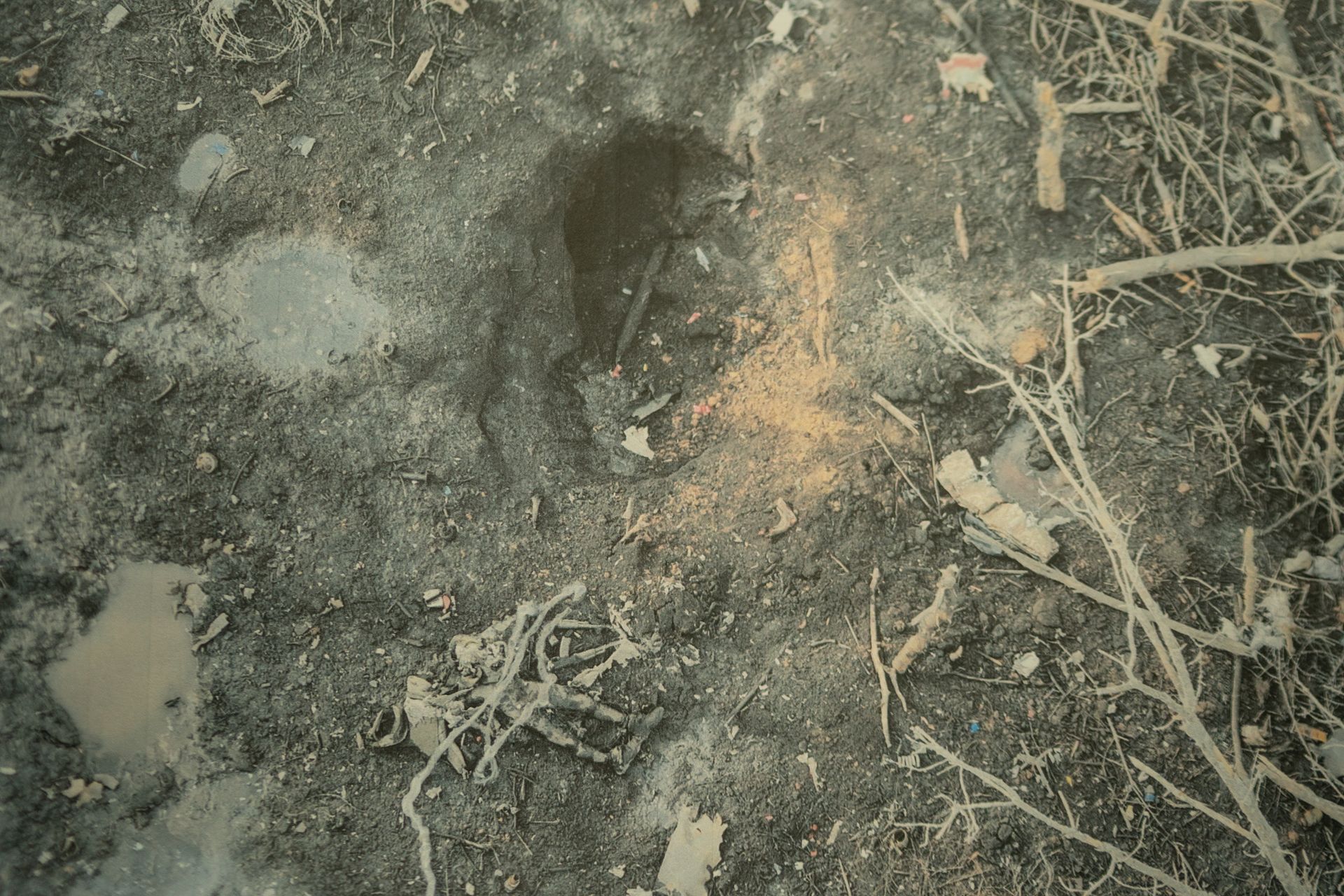
Ukrainian troops from the 2nd Khartiia Corps moved 15 kilometers through underground gas pipelines in an operation code-named Veles to counter Russian use of the same routes near Kupiansk in Kharkiv Oblast. The corps said more than 30 Russian soldiers were captured during the operation and that Russian forces suffered more than 100 casualties. The Kyiv Independent could not independently verify those figures. A gas pipeline exit near Kupiansk and remains of a Russian soldier were depicted in a photograph at a Khartiia Brigade command post in Kharkiv Oblast. [1]
Tactics and Objectives of Operation Veles
Ukrainian forces had studied how Russian troops were using underground routes and anticipated that they would try to exploit major gas pipelines running through Kharkiv Oblast. "The Russians intended to use the gas routes to penetrate the rear of our forces. So we went underground ourselves," said Khartiia commander Brig. Gen. Ihor Obolienskyi. Ukrainian troops moved through the pipelines before combining the underground advance with operations above ground, including drone strikes. "We anticipated the enemy's actions and mastered the tactics of conducting combat operations underground," Obolienskyi said. The aim was both to stop Russian troops underground and to undermine tactics they had been using on the ground and from the air. [1]
Russian Pipeline Tactics in the Sector
Russian forces have used gas pipelines on several occasions to move troops covertly around the Kupiansk sector. In January, Ukrainian troops said they had stopped a Russian assault involving about 50 soldiers attempting to advance through the Soyuz gas pipeline. More recently, Khartiia said, Russian troops retreating near Kupiansk used civilians as human shields, leading a group that included children and elderly people to the Shebelinka–Ostrogozhsk pipeline and forcing them inside the pipe toward Russian-held territory. Ukrainian troops said they did not open fire because civilians were present. "When the battlefield became transparent, the war went underground," the corps said when it first announced the operation on Oct. 21. [1]
Ukrainian soldiers inspect a gas pipeline exit near Kupiansk used in Operation Veles. — Source: kyivindependent
Operation Vivaldi Counteroffensive in Donetsk
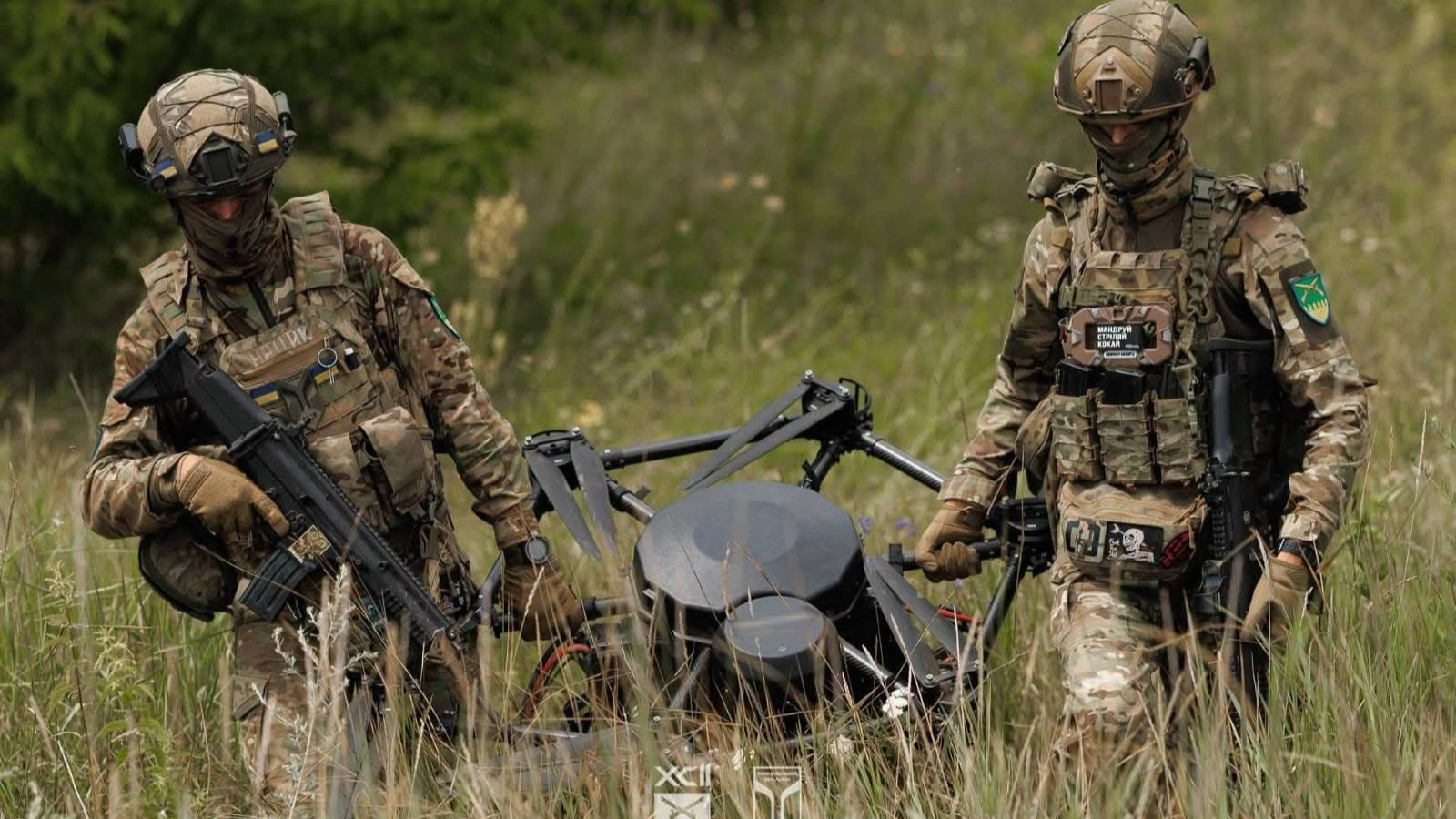
Ukrainian soldiers inspect a gas pipeline exit and remains of a Russian soldier near Kupiansk. — Source: ukrainskapravda
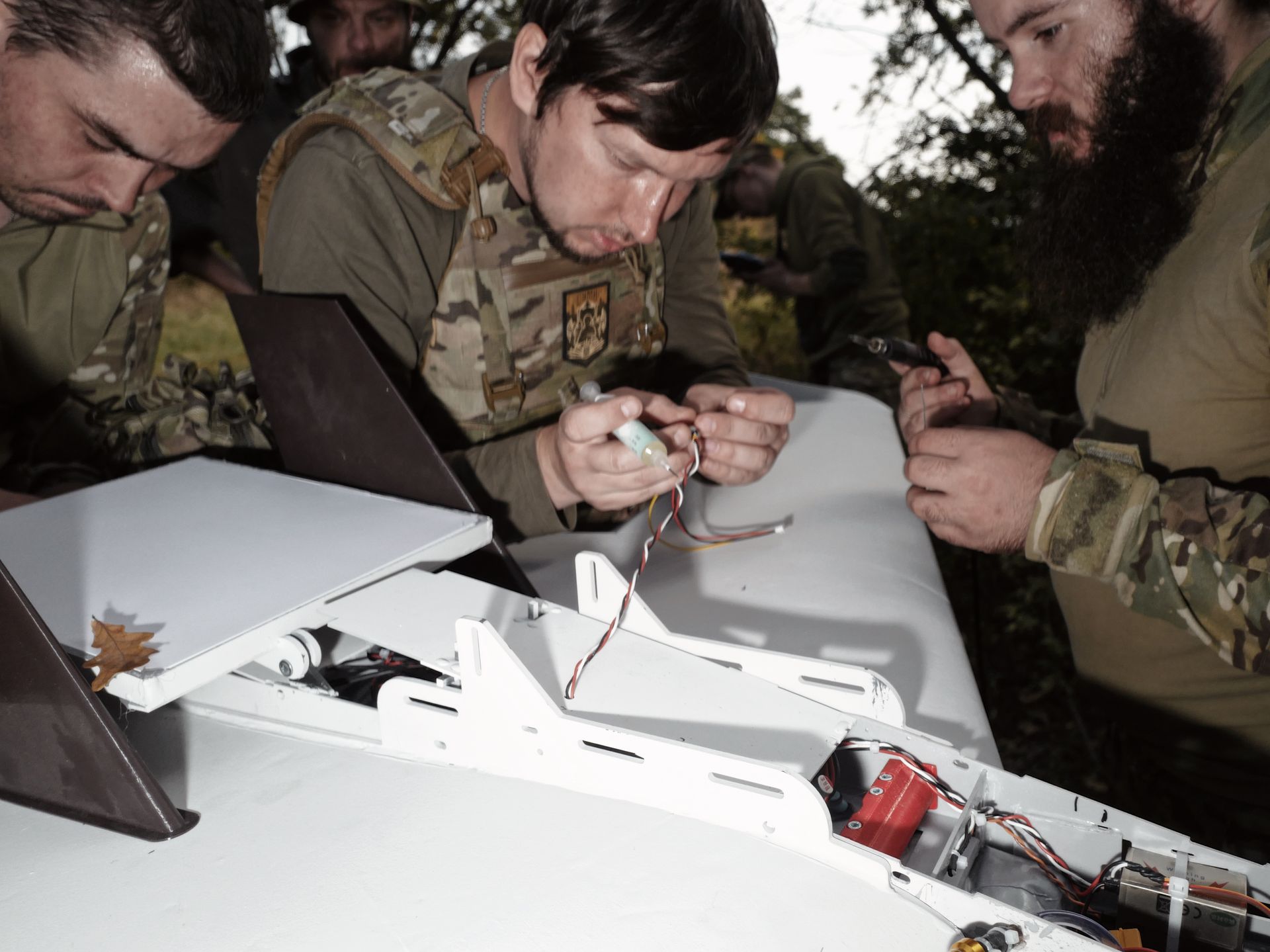
Ukrainian forces liberated 277 square kilometers and 16 villages during Operation Vivaldi in the Lyman sector of Donetsk Oblast by advancing through minefields, rivers, and treelines while relying heavily on drones to minimize infantry exposure. The operation lasted until mid-October and was a top-secret counteroffensive in the Lyman sector in the northern part of Donetsk Oblast. Soldiers crossed a dense minefield and a river while under Russian artillery and drone fire. Anti-personnel mines accounted for 80 percent of casualties in some units. Commanders used drones to strike Russian positions ahead of advancing troops and applied blockade tactics to isolate Russian forces from the rear. [2]
Record Russian Personnel Losses
Russian daily personnel losses hit 2,250 on October 21, the highest single-day figure since the start of the full-scale invasion, with three of the five highest daily losses occurring in September and October 2026. The General Staff posted the dates of the five highest daily losses for the Russians: 21 October 2026 – 2,250 personnel; 19 December 2024 – 2,200 personnel; 18 October 2026 – 2,100 personnel; 27 September 2026 – 2,090 personnel; 28 November 2024 – 2,030 personnel. Russia's total estimated personnel losses since February 2022 stand at approximately 1,572,790, with monthly losses rising to 46,230 in September 2026 and nearly 37,000 in the first three weeks of October. [3][5]
Civilian Conditions in Rear Areas
Faces are grim and features drawn in the streets of Pavlohrad, a city in Ukraine's Dnipropetrovsk oblast less than 90 km from the front line. Drone attacks and missile strikes are relentless. “We’re delighted. They’re bombing us all the time,” said one resident in her sixties waiting for the bus. Residents refuse to entertain the notion of Russian occupation. A drone struck a shopping centre ten days ago, killing at least five people and injuring 67, including children. Russia deliberately strikes cafés and shopping centres to terrorise the population, according to a soldier from the 200th Symon Petliura Brigade. [4]
Developments in Current Wars in the World
The operation near Kupiansk formed part of wider Ukrainian efforts to counter Russian underground movements while other units advanced in the Lyman sector. Russian forces have turned abroad to replenish ranks, recruiting men with the promise of a job far from the front line who end up as cannon fodder. Residents in Pavlohrad receive real-time notifications on their phones warning of incoming attacks from shahed drones, missiles and guided bombs. Sirens also sound across targeted cities. [1][4]
What to watch next: Ukrainian units continued advancing along treelines, continuously changing the timing and routes of assaults to keep Russian troops guessing, with some movements at night using anti-thermal blankets.