
Ukrainian Drone Strikes Intensify on Russian Territory Amid Ongoing Conflict
Moscow/Kyiv — Ukraine has confirmed a drone strike on a major oil depot in Russia's Volgograd Oblast, while separate attacks attributed to Kyiv have targeted infrastructure and civilian areas in Belgorod and Voronezh oblasts, resulting in fires, casualties, and damage. These incidents, occurring between January 7 and 11, 2026, highlight the escalating use of unmanned aerial vehicles (UAVs) by Ukraine deep into Russian territory.
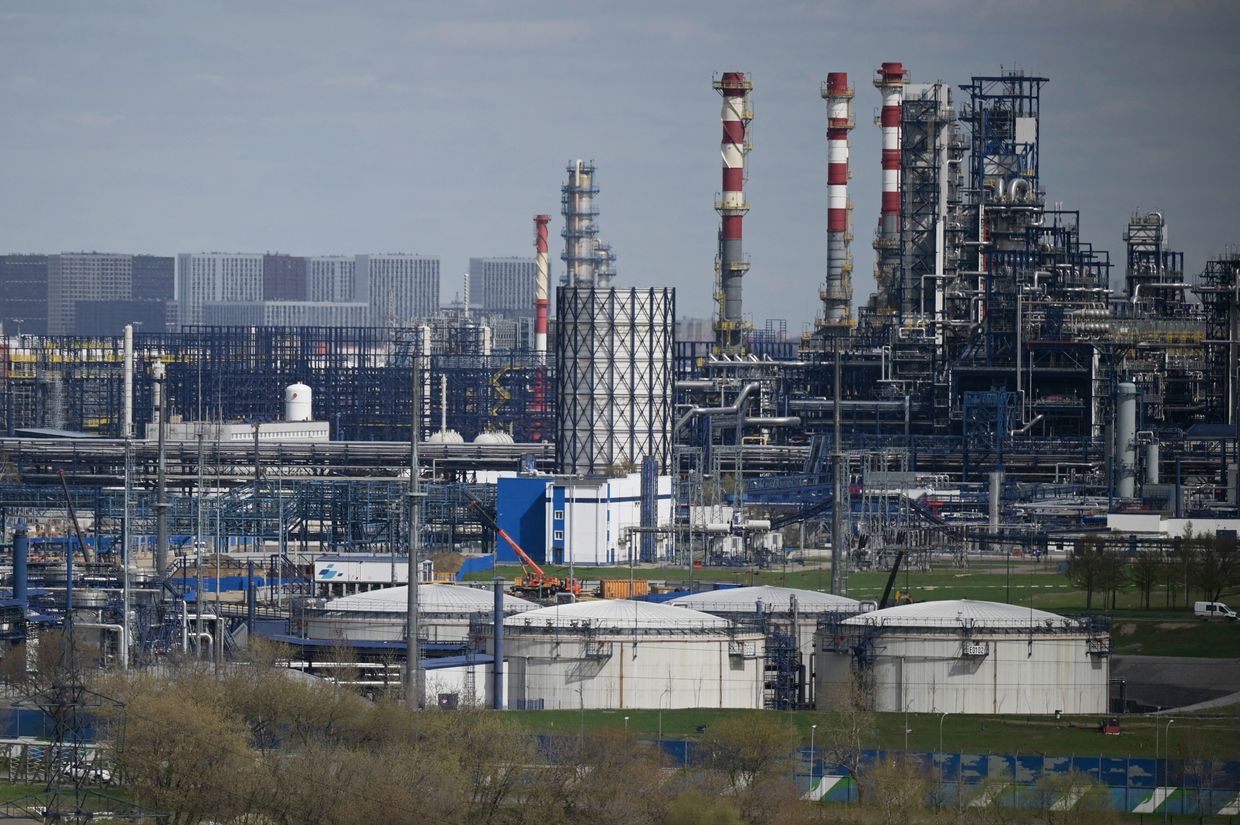
The most recent confirmation came from Ukraine's military on January 11, 2026, acknowledging a successful strike on an oil depot in Volgograd Oblast, a key industrial region in southern Russia. According to reports from the Kyiv Independent, the operation targeted critical energy infrastructure, which Ukraine has frequently hit to disrupt Russian military logistics supporting the invasion of Ukraine. No immediate details on damage or casualties were provided in the confirmation, but such strikes typically aim to impair fuel supplies for Russian forces.
Earlier, on January 7, 2026, a Russian oil depot in Belgorod Oblast, near the Ukrainian border, erupted in flames following a drone attack that Russian officials attributed to Ukraine. The incident, classified as high severity, underscored vulnerabilities in Russia's frontline energy storage amid intensified cross-border operations. Belgorod Oblast has been a frequent target for Ukrainian drones and missiles since the early stages of the conflict, with multiple reports of infrastructure hits in recent months.
Compounding these events, a drone attack struck Voronezh Oblast on January 11, 2026, killing one woman and injuring three others while damaging buildings. Voronezh Governor Aleksandr Gusev confirmed the Ukrainian origin of the strike, as reported by international outlets citing local authorities. The high-severity incident occurred early in the morning, highlighting the reach of Ukraine's growing drone arsenal into central-southern Russia, approximately 400 kilometers from the frontline.
Context of Escalating Drone Warfare
These strikes are part of a broader pattern in the Russia-Ukraine war, now in its fourth year since Moscow's full-scale invasion on February 24, 2022. Ukraine has increasingly relied on domestically produced and Western-supplied long-range drones to conduct asymmetric strikes on Russian military assets, refineries, and airfields. Volgograd Oblast, home to major oil processing facilities, has seen prior attacks; for instance, similar drone operations have targeted refineries there and in nearby regions like Ryazan and Krasnodar throughout 2025, reducing Russia's oil output by an estimated 10-15% at peak disruption periods, according to energy analysts.
Belgorod Oblast, bordering Ukraine's Kharkiv region, has endured near-daily incursions. Russian authorities regularly report interceptions, but breakthroughs like the January 7 oil depot fire demonstrate gaps in air defenses. Voronezh, further east, has also faced repeated drone incursions, with strikes on airbases and infrastructure reported sporadically since mid-2024.
Russia's response has included ramped-up air defense deployments, including S-400 systems and electronic warfare units, alongside retaliatory missile and drone barrages on Ukrainian cities. The Kremlin's messaging frames these Ukrainian actions as "terrorist attacks," while Kyiv justifies them as legitimate strikes on military-economic targets under international law.
Reported Impacts and Responses
In Volgograd, the confirmed strike aligns with Ukraine's stated strategy of targeting the "military-industrial complex," as articulated by Air Force spokespeople in prior operations. Russian state media has not yet detailed the extent of the depot fire, but historical precedents suggest potential multi-day blazes and supply disruptions.
The Voronezh attack drew immediate local response, with emergency services addressing the structural damage and medical treatment for the wounded. Governor Gusev's statement emphasized civilian impacts, a narrative Russia uses to rally domestic support. No official Ukrainian comment on Voronezh was available at press time.
Across these events, casualty figures remain limited: one confirmed death and three injuries in Voronezh, with no reported fatalities in the oil depot strikes. However, the high severity classification reflects potential for broader economic ripple effects, particularly on Russia's energy sector, which funds over 40% of its federal budget.
Broader Implications in the Conflict
As winter sets in, drone warfare continues to shape the battlefield. Ukraine's ability to project power into Russia compensates for territorial disadvantages, forcing Moscow to divert resources to homeland defense. International observers note that Western aid, including intelligence and components for drones like the Baba Yaga and Lyutyi models, has bolstered Kyiv's capabilities.
Russian President Vladimir Putin has vowed to expand production of interceptor drones and enhance border fortifications. Meanwhile, Ukraine's President Volodymyr Zelenskyy has called for more air defense systems from allies to counter Russian strikes.
These January 2026 incidents signal no de-escalation, with both sides intensifying remote operations ahead of potential spring offensives. Monitoring groups like the Institute for the Study of War report over 50 confirmed Ukrainian drone strikes on Russian soil in the past quarter, underscoring the sustained tempo.
The World Now will continue tracking developments as Russian and Ukrainian officials provide further updates on damages and countermeasures.
(Word count: 712)