
Conflict in Mali: Russian Forces Withdraw from Stronghold After Separatist Attacks
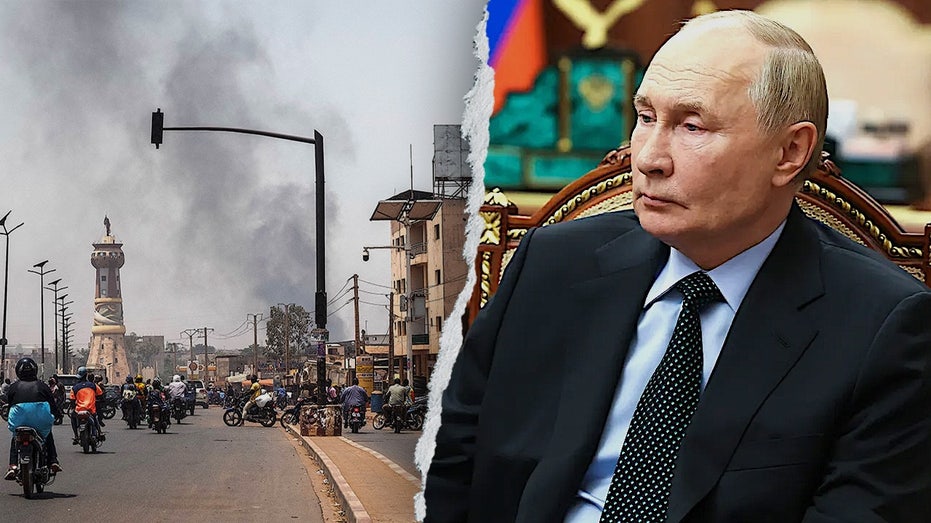
In a notable escalation of the conflict in Mali, Russian forces have been driven from a stronghold in northern Mali by separatists and jihadists, marking a significant development in the ongoing conflict.[1][2] Ethnic Tuareg fighters and Islamist groups have taken control of Kidal following separatist attacks, while rival armed groups with differing ideologies have launched coordinated attacks across the country.[2][3] An Al Qaeda-linked group reports that the Mali army has withdrawn from a town in the north, and analysts suggest this defeat could be a turning point for Russia's influence in West Africa.[4][1]
Recent Developments in the Conflict
The conflict in Mali has witnessed a series of intense military engagements in recent days, particularly in the northern regions where longstanding tensions between the Malian state, separatist movements, and jihadist factions have boiled over. Russian forces, operating as part of what has been referred to as Russia's Africa Corps, have faced a major setback as they were compelled to withdraw from a key stronghold in northern Mali.[1][2] This retreat came in the wake of coordinated separatist attacks that targeted positions held by these fighters over the weekend.
Ethnic Tuareg fighters, who have long advocated for greater autonomy in the north, announced that they had seized control of the strategic city of Kidal.[2] This development followed a broader wave of nationwide attacks, underscoring the expanding scope of the insurgency. Alongside these Tuareg-led operations, Islamist groups participated in the assaults, highlighting an unusual alignment of forces typically at odds.[2] The fall of this stronghold represents not just a tactical loss but a symbolic blow to the foreign military presence supporting the Malian government.
Reports indicate that these events are part of a larger pattern of escalating violence, with jihadist attacks continuing to challenge state authority across the region.[1] The involvement of multiple actors—ranging from separatists seeking regional independence to jihadists pursuing ideological goals—has created a complex battlefield dynamic. Russian fighters themselves confirmed their withdrawal from the northern Mali city, acknowledging the pressure from these combined assaults.[2] This confirmation lends credibility to claims by the opposing groups and signals a potential shift in the balance of power in the north.
The timing of these attacks aligns with ongoing instability in Mali, where the military junta has relied on Russian support to combat insurgencies since the withdrawal of French forces. However, the success of the separatists and jihadists in driving out Russian personnel from such a prominent position raises questions about the effectiveness of this partnership.[1][2] Nationwide attacks have stretched Malian and allied defenses thin, allowing rebels to make gains in areas previously under government control.
Withdrawal of Russian Forces
Russian fighters have officially confirmed their withdrawal from a northern Mali city following a series of separatist attacks, a move that underscores vulnerabilities in their deployment.[2] The city in question, Kidal, a longstanding flashpoint in the region's conflicts, fell under the control of ethnic Tuareg fighters who declared victory after intense weekend clashes.[2]
These Tuareg fighters, organized under separatist banners, coordinated their efforts with Islamist groups to overrun the stronghold previously defended by Russian personnel.[2] The retreat marks a rare public admission of defeat for the Africa Corps, the Russian military unit dispatched to bolster Mali's counterinsurgency efforts.[1] Sources close to the fighters emphasized that the attacks were part of a broader nationwide offensive, which overwhelmed their positions and forced a tactical pullback.
Kidal's strategic importance cannot be overstated; it has served as a hub for separatist activities and a gateway to smuggling routes across the Sahel. The presence of Russian forces there was intended to secure this area against rebel incursions, but the coordinated pressure from Tuareg and Islamist elements proved decisive.[2] This withdrawal not only cedes territory but also exposes supply lines and other outposts to further assaults, potentially complicating future operations.
The confirmation of the retreat by the Russian side itself adds weight to the narrative of a significant reversal.[2] It reflects the challenges of operating in Mali's vast, unforgiving terrain, where rapid mobility and local intelligence are critical. As jihadist attacks persist, the loss of this foothold could embolden other insurgent factions to test Russian resolve elsewhere.[1]
Coordinated Attacks by Armed Groups
Rival armed groups, despite their differing ideologies, have launched coordinated attacks across Mali, uniting against the Malian state in a rare display of collaboration.[3] Separatists, primarily ethnic Tuareg fighters pursuing autonomy, have joined forces with jihadist elements to strike at government and allied positions nationwide.[3]
This partnership, though ideologically fraught, has enabled a synchronized offensive that has yielded territorial gains, including the capture of Kidal.[2][3] The attacks spanned multiple regions, targeting military installations and supply depots, which has disrupted state control in the north.[3] Analysts note that such coordination amplifies the threat posed by these groups, as their combined firepower and manpower overwhelm fragmented defenses.
The unity of these groups—separatists focused on ethnic self-determination and jihadists driven by global Islamist agendas—raises questions about sustainability.[3] Historical rivalries have previously led to clashes between them, but the current campaign against the Malian state appears to have temporarily bridged these divides. The nationwide scope of the attacks indicates meticulous planning, with strikes timed to maximize impact and exploit weaknesses in the government's response.[3]
This joint action has not only driven Russian forces from key positions but also strained Mali's overall military posture.[2][3] The ability of these groups to operate cohesively suggests external factors, such as shared grievances against foreign-backed interventions, may be fostering this alliance. However, the long-term viability of such cooperation remains uncertain, as underlying ideological differences could resurface once immediate objectives are met.[3]
Mali Army's Retreat from Northern Areas
An Al Qaeda-linked group has claimed that the Mali army has withdrawn from a town in the north, further evidencing the pressure on state forces amid the escalating insurgency.[4][5] This reported retreat aligns with the broader pattern of losses suffered by Malian and allied troops in recent engagements.
The announcement by the jihadist faction highlights vulnerabilities in the army's hold on northern territories, where rebel advances have been swift and decisive.[4][5] Specific details from the group point to a complete pullout from the town, leaving it exposed to insurgent control. This development compounds the challenges faced by the military junta, which has leaned heavily on Russian support to maintain order.
Such withdrawals are not isolated; they follow the pattern of coordinated attacks that have forced concessions across the north.[3][4] The Al Qaeda affiliate's statement serves as both a propaganda victory and a factual report of diminished government presence, potentially encouraging further offensives.[5] In the context of Kidal's fall, this retreat signals a contracting footprint for state authority in the region.[2][4]
Potential Implications
Analysts view the defeat of Russia's Africa Corps in Mali as a potential turning point for Moscow's influence in West Africa.[1] The driving out of Russian forces from the northern stronghold by separatists and jihadists represents a major blow to Putin's ambitions on the continent.[1]
This setback could erode confidence in Russian military capabilities among Sahel governments, prompting a reevaluation of partnerships.[1] As jihadist attacks continue unabated, the loss undermines the narrative of Russian superiority over Western alternatives.[1] Regional dynamics may shift, with separatist and Islamist gains altering power balances and complicating counterterrorism efforts.
The implications extend to broader geopolitical rivalries, where Russia's foothold in Africa has been a counterweight to NATO influence.[1] A diminished presence in Mali might accelerate withdrawals elsewhere, signaling limits to Moscow's expeditionary reach.
What to watch next: Observers will monitor whether the unlikely alliance between rival armed groups holds amid ongoing jihadist attacks, and if Russia's Africa Corps mounts a counteroffensive to reclaim lost ground.[1][3]