Ukraine's Unexpected Role: Zelensky's Maritime Expertise Offer Shakes Up Strait of Hormuz Tensions
By the Numbers
The Strait of Hormuz crisis is quantifying human and economic tolls at unprecedented scales. Approximately 20-30% of global oil supply—around 21 million barrels per day—transits the strait daily, per U.S. Energy Information Administration data, making any blockade a seismic shock. Since disruptions intensified in March 2026, shipping insurance premiums have surged 400%, according to Lloyd's of London reports, while Greek firms control 15% of affected tanker capacity, UAE operators 12%, and Chinese lines 10%, as detailed in Ekathimerini analysis—hitting non-Western players hardest and stranding crews from Manila to Mumbai. For deeper insights into Iran's Hormuz Standoff: The Overlooked Role of Asian Powers in Shaping Global Security, explore how regional dynamics are evolving.
Recent transits underscore fragility: On April 3, 2026, three tankers crossed near Oman, the first significant movement since a French-owned container ship—the first post-"Iran war" escalation—exited safely. Yet, U.S. intelligence estimates a 70% likelihood Iran maintains its "chokehold" through Q2 2026. Broader ripples include Asian nations ramping up coal power by 15% amid energy crunches (France24), with global oil futures spiking 5-10% in the past week. Human costs: Over 5,000 seafarers from 40 nations are delayed or rerouted, facing weeks-long detours around Africa, adding 10-14 days and $1 million per voyage in fuel. Ukraine's offer? Its navy has neutralized over 100 Russian sea mines since 2022, with expertise in drone navigation and countermeasures—potentially applicable to Hormuz mines laid post-March 11 threats. This ties into broader Middle East Escalations: Overlooked Impacts on African and Asian Alliances.
Market tremors amplify: S&P 500 futures down 2.5% intraday on risk-off; Brent crude +8% to $95/barrel; DXY index +1.2% as safe-haven flows surge. These figures paint a portrait of vulnerability: For families in tanker-dependent ports like Piraeus, Greece, or Dubai, it's not abstract—lost wages mean empty tables.
What Happened
The crisis unfolded rapidly from U.S.-Iran brinkmanship in March 2026, culminating in Zelensky's April 3 offer amid tentative shipping resumptions. On March 11, the U.S. threatened action against Iran over reported mine-laying in the strait, a 21-mile-wide chokepoint between Iran and Oman vital for Gulf oil exports. Iran responded swiftly on March 12, vowing "decisive action" to protect its waters, escalating rhetoric and patrols. This escalation connects to Russia's Intelligence Sharing with Iran: Igniting a New Era of Proxy Wars in the Middle East, highlighting interconnected global tensions.
By March 19, the U.S. unveiled a Marine expeditionary plan for Hormuz security, deploying assets to contain threats. On March 20, America boosted oil supply convoys through the strait, a muscular show of force. A diplomatic flicker emerged March 26 when Iran offered concessions to Spain, allowing limited European transits—hinting at selective de-escalation. Tensions simmered into April: U.S. intelligence on April 3-4 warned Iran unlikely to ease grip soon, amid Trump's bellicose statements like "with more time, US can ‘take the oil’ in Iran." See related coverage on Trump's $1.5 Trillion Defense Budget Proposal Fuels US-Russia Shadow War Amid Iran Escalations 2026.
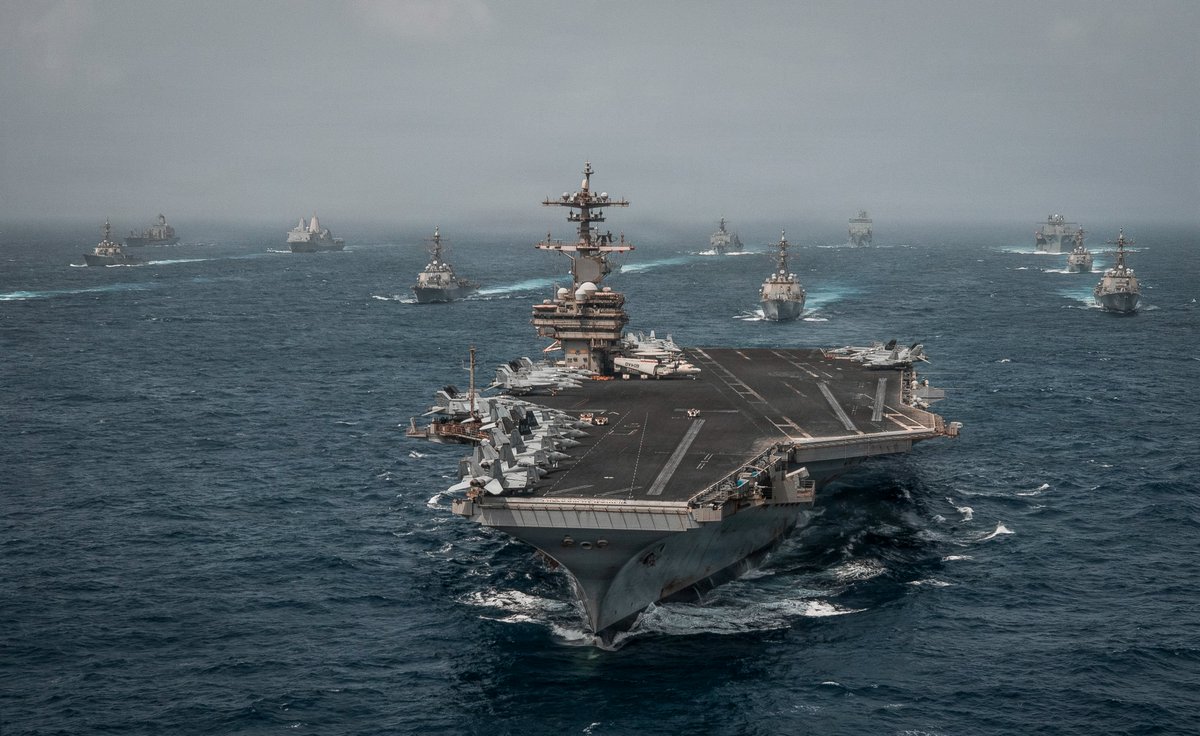
Breaking developments accelerated: April 3 saw three tankers—including a Japanese-owned vessel—cross near Oman under heavy escort, per Middle East Eye. Simultaneously, a French-owned container ship exited Hormuz, the first since the "Iran war" phase began, signaling fragile normalcy (Straits Times). Non-Western firms suffered: Greek, UAE, and Chinese operators reported 60% fleet idling, per Ekathimerini.
Enter Ukraine: Zelensky proposed sharing maritime expertise—honed against Russian Black Sea blockades—focusing on navigation aids, mine detection via USV drones, and secure routing. "We've navigated worse; let's secure global seas together," he stated, positioning Kyiv as a neutral technical partner. This bridges Eastern Europe's post-invasion resilience with Middle East volatility, drawing from Ukraine's success in Odessa port reopenings despite 2022-2025 threats.
Confirmed: Ship transits, Zelensky's offer, U.S. intel warnings. Unconfirmed: Iran's internal deliberations on external aid; potential mine densities (speculated 50-100 by intel leaks).
Historical Comparison
This crisis echoes the 1980s Tanker War during Iran-Iraq hostilities, where 411 ships were attacked, spiking oil to $40/barrel (adjusted $120 today) and forcing U.S. reflagging operations—mirroring today's Marine plans. Yet, patterns diverge: 2011 Strait threats drove oil +20% without full closure, resolved via Oman-mediated talks, unlike today's mine-focused escalation.
Ukraine's interjection recalls 1991 Gulf War coalitions, but uniquely flips the script—from U.S.-led to multi-polar. Post-2022 Ukraine invasion, Zelensky's navy innovated asymmetric tactics (e.g., Magura V5 drones sinking Russian fleet), contrasting unilateral U.S. strategies like March 2026 threats. Trump's rhetoric evokes 2019 Soleimani strike (JPY +1% haven bid), but Iran's Spain concession parallels 1988 UN resolutions easing Tanker War.
Emerging pattern: Shift from U.S. monopoly. Non-Western firms' woes (Greece/UAE/China) evoke 1973 Oil Crisis, hitting Europe/Asia hardest, fostering today's diversified responses. Ukraine's offer humanizes this—Black Sea fishermen endured similar blockades, losing livelihoods; now, Hormuz crews face parallel fates, urging global solidarity over hegemony.
AI Prediction
The World Now Catalyst AI forecasts market ripples from Hormuz disruptions and Ukraine's wildcard entry, drawing causal links to historical precedents like the 2022 Ukraine invasion. Track these via our Catalyst AI — Market Predictions and monitor broader risks on the Global Risk Index.
- OIL: + (high confidence) — Iran blockade disrupts 20%+ global supply; precedent: 2011 threats +20%. Risk: Coalition reopening in 24-48h.
- SPX: - (high/medium confidence) — Risk-off unwinds; 2022 Ukraine dropped SPX 4-5% in 48h-1 week. Risk: Jobs data offsets.
- USD: + (medium confidence) — Safe-haven flows; 2022 DXY +2-3% in 48h. Risk: De-escalation diplomacy.
- EUR: - (medium confidence) — USD strength, energy woes; 2014 Crimea -5% weeks. Risk: ECB hawkishness.
- BTC: - (medium confidence) — Risk-off liquidations; 2022 -10% in 48h. Risk: ETF dip-buying.
- JPY: + (medium confidence) — Haven repatriation; 2019 Soleimani +1%. Risk: BoJ cap.
- NVDA/TSM: - (low/medium confidence) — Tech selloff; 2022 drops 8%/5-8%. Risk: AI/chip policy buffers.
- ETH/SOL: - (low/medium confidence) — Crypto cascades; 2022 -12-15%. Risk: Inflows/ETFs.
- CNY: - (low confidence) — EM hit; 2022 -5%. Risk: PBOC.
Ukraine's offer introduces de-escalation variance: Success could flatten OIL upside 5-10%, buoying SPX +1-2% via alliance signals.
Predictions powered by The World Now Catalyst Engine. Track real-time AI predictions for 28+ assets.
What's Next
Zelensky's gambit could catalyze breakthroughs or backfires. Scenario 1 (40% probability): Iran engages Ukraine technically—mine-sharing via Oman (echoing March 26 Spain deal)—yielding temporary de-escalation, oil stabilizing at $90, easing Asian coal ramps. Triggers: Tehran signals by April 10; watch Oman talks.
Scenario 2 (35%): Rejection as "NATO proxy," provoking patrols—Iran views Kyiv's post-U.S. aid ties suspiciously—escalating to partial closure, OIL to $110+. Triggers: Iranian FM rebuff; tanker incidents.
Scenario 3 (25%): Broader coalition forms, with Greece/UAE/China endorsing Ukraine tech, diversifying from U.S. (Trump's "take the oil" contrasts sharply). Long-term: Accelerates Arctic/India pipelines, reshaping 15% trade routes; non-Western navies gain, per emerging East-West pacts.
Human stakes loom: 100,000+ Gulf workers risk layoffs; Ukrainian expertise could save lives via safer routing. Watch: April 7 tanker volumes, Zelensky-Iran backchannels, U.S. Marine movements. If persistent, global stagflation beckons—stagflation fears already unwinding positions.
This is a developing story and will be updated as more information becomes available.
Catalyst AI Market Prediction
Our AI prediction engine analyzed this event's potential market impact:
- SPX: Predicted - (medium confidence) — Causal mechanism: Headline-driven risk-off unwinds positions, with oil spike fueling stagflation fears across sectors. Historical precedent: Feb 2022 Ukraine invasion dropped SPX 5% in a week. Key risk: Strong US jobs data offsets geo fears.
- USD: Predicted + (medium confidence) — Causal mechanism: Geopolitical escalation triggers safe-haven flows into USD as primary reserve currency amid oil shock and equity selloff. Historical precedent: Feb 2022 Ukraine invasion when DXY rose 2% in 48h. Key risk: De-escalation signals from US diplomacy reduce haven demand immediately.
- NVDA: Predicted - (low confidence) — Causal mechanism: Tech sector leads risk-off de-leveraging on high-beta sensitivity to SPX sentiment. Historical precedent: Feb 2022 Ukraine dropped NVDA 8% in 48h. Key risk: AI demand narrative shields from broad selloff.
- TSM: Predicted - (low confidence) — Causal mechanism: Global risk-off hits semis via SPX correlation and China exposure fears. Historical precedent: Feb 2022 Ukraine dropped TSM 5% short-term. Key risk: US chip policy buffers downside.
- EUR: Predicted - (medium confidence) — Causal mechanism: USD haven strength and NATO tensions weaken EUR via risk-off flows. Historical precedent: 2018 NATO threats increased EURUSD volatility, EUR down 1% weekly. Key risk: ECB hawkishness on energy inflation supports EUR.
- ETH: Predicted - (low confidence) — Causal mechanism: BTC-led risk-off cascades into alts via shared liquidity pools and sentiment. Historical precedent: Feb 2022 Ukraine dropped ETH 15% in 48h. Key risk: Stablecoin growth provides ETH network fee tailwind.
- SOL: Predicted - (low confidence) — Causal mechanism: Risk-off sentiment from geo escalation amplifies crypto liquidation cascades, following BTC weekly lows and miner selloffs. Historical precedent: Feb 2022 Ukraine invasion when SOL dropped 12% in 48h. Key risk: Crypto ETF inflows provide dip-buying support, halting downside.
- OIL: Predicted + (high confidence) — Causal mechanism: Iran Strait of Hormuz closure disrupts 20%+ of global supply, spiking spot and futures prices via immediate shipping reroute costs. Historical precedent: 2011 Strait threats drove oil +20% in weeks. Key risk: Swift US/Israeli naval action reopens strait in 24-48h.
- JPY: Predicted + (medium confidence) — Causal mechanism: Yen safe-haven repatriation amid global equity volatility. Historical precedent: 2019 Soleimani strike strengthened JPY 1% intraday. Key risk: BoJ intervention caps yen strength.
- BTC: Predicted - (medium confidence) — Causal mechanism: Geo risk-off triggers algorithmic selling and liquidations, compounding miner selloffs and 44% unrealized losses. Historical precedent: Feb 2022 Ukraine invasion dropped BTC 10% in 48h. Key risk: Institutional ETF buying treats dip as entry.
- CNY: Predicted - (low confidence) — Causal mechanism: Risk-off hits EM currencies, oil import costs rise. Historical precedent: 2022 Ukraine CNY weakened 5%. Key risk: PBOC intervention.
Predictions powered by The World Now Catalyst Engine. Track real-time AI predictions for 28+ assets.