
Ukraine's Allies Convene in Kyiv for Critical Talks on Ending Russia Conflict
Kyiv, Ukraine – On January 3, 2026, representatives from Ukraine's international allies gathered in Kyiv for high-level discussions focused on devising strategies to bring an end to the ongoing war with Russia. The meeting, described as a pivotal effort amid escalating tensions, underscores the continued international commitment to supporting Ukraine nearly four years after Russia's full-scale invasion.
The gathering, which began at 18:08 GMT on Saturday, January 3, carries high severity implications for the conflict's trajectory. According to live updates from global monitoring services, the talks involve key stakeholders aiming to align on diplomatic, military, and humanitarian approaches to resolve the protracted standoff. While specific agendas remain closely guarded, the focus is explicitly on "strategies aimed at ending the ongoing war with Russia," highlighting a potential shift toward intensified peace initiatives.
Live coverage from Spanish outlet Faro de Vigo, aggregated via GDELT Project monitoring on January 9, 2026, at 09:15 UTC, frames the event within broader war updates. The report's title emphasizes real-time developments involving Ukrainian President Volodymyr Zelenskyy, U.S. President Donald Trump, and Russian President Vladimir Putin, signaling the high-profile nature of the diplomacy. These leaders have been central figures in the conflict's narrative, with Zelenskyy repeatedly calling for robust allied support, Trump advocating for negotiated settlements during his campaign and early presidency, and Putin maintaining Russia's territorial claims.
Details of the Kyiv Summit
The meeting in Kyiv represents a rare convening of allies on Ukrainian soil, symbolizing solidarity amid battlefield challenges. Participants are expected to include officials from NATO member states, the European Union, and other Western partners that have provided billions in military aid, training, and economic assistance since 2022. Discussions likely cover enhancements to Ukraine's defense capabilities, sanctions enforcement against Russia, and pathways for ceasefire negotiations.
No official readout has been released as of the latest updates, but the timing aligns with recent escalations. Russian forces have continued advances in eastern Ukraine, particularly in Donetsk and Luhansk regions, while Ukraine has conducted long-range strikes deep into Russian territory using Western-supplied weapons. The high severity rating attached to this event by monitoring services reflects risks of miscalculation that could broaden the conflict.
Zelenskyy has used such platforms to urge faster delivery of advanced weaponry, including F-16 fighter jets and ATACMS missiles, which allies have incrementally approved. Trump's administration, entering its early phase in 2025, has signaled a pragmatic approach, emphasizing quick resolutions over indefinite support—a stance echoed in pre-inauguration statements promising to end the war "in 24 hours" through direct talks with Putin.
Historical Context and Background
Russia's invasion of Ukraine on February 24, 2022, marked the largest military action in Europe since World War II. Stemming from the 2014 annexation of Crimea and support for separatists in Donbas, the war has resulted in hundreds of thousands of casualties, displaced millions, and triggered global energy and food crises. Ukraine's resilience, bolstered by over $200 billion in Western aid as of late 2025, has prevented a swift Russian victory but led to a war of attrition.
Key milestones include Ukraine's 2022 Kharkiv and Kherson counteroffensives, Russia's 2024 capture of Avdiivka, and ongoing Black Sea naval dynamics where Ukraine has sunk numerous Russian vessels. Diplomatic efforts, such as the Swiss peace summit in June 2024 boycotted by Russia, have yielded limited progress. The U.S. presidential transition following Trump's 2024 victory introduced new variables, with his nominee for Secretary of State, Keith Kellogg, advocating "reassurance not escalation."
International law frames the conflict: The United Nations General Assembly has condemned Russia's actions multiple times, affirming Ukraine's sovereignty. The International Criminal Court issued arrest warrants for Putin and other officials over child deportations.
Challenges and Outlook
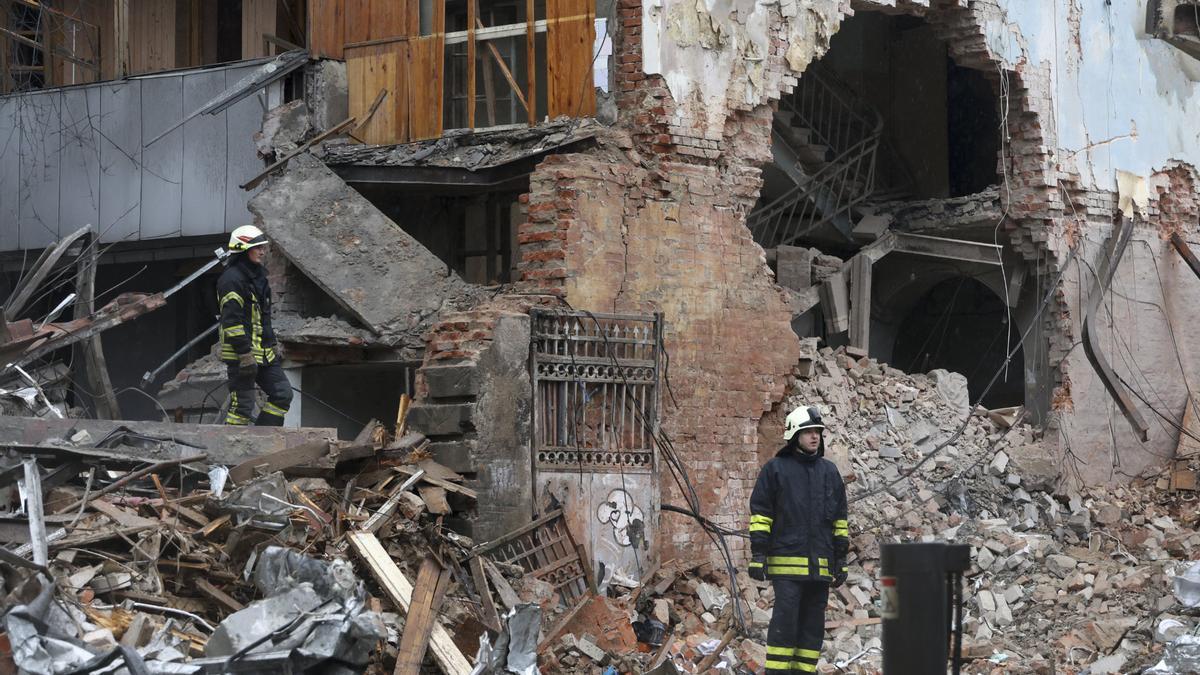
Allies face internal divisions, including U.S. congressional debates over aid packages and European energy dependencies on Russia. Ukraine reports daily Russian drone and missile barrages, with civilian infrastructure heavily damaged. The Kyiv talks could address these, potentially paving the way for a winter 2026 diplomatic push.
As the meeting progresses into its second week, global observers await outcomes that might influence ceasefires or territorial negotiations. While no breakthroughs are confirmed, the assembly reaffirms Ukraine's position: "Nothing about Ukraine without Ukraine," as Zelenskyy has stated.
The war's resolution remains uncertain, but this high-stakes forum in Kyiv highlights a collective resolve to seek an end, balancing military deterrence with diplomatic overtures. Further updates from the front lines and capitals will clarify the summit's impact.
(Word count: 612)